
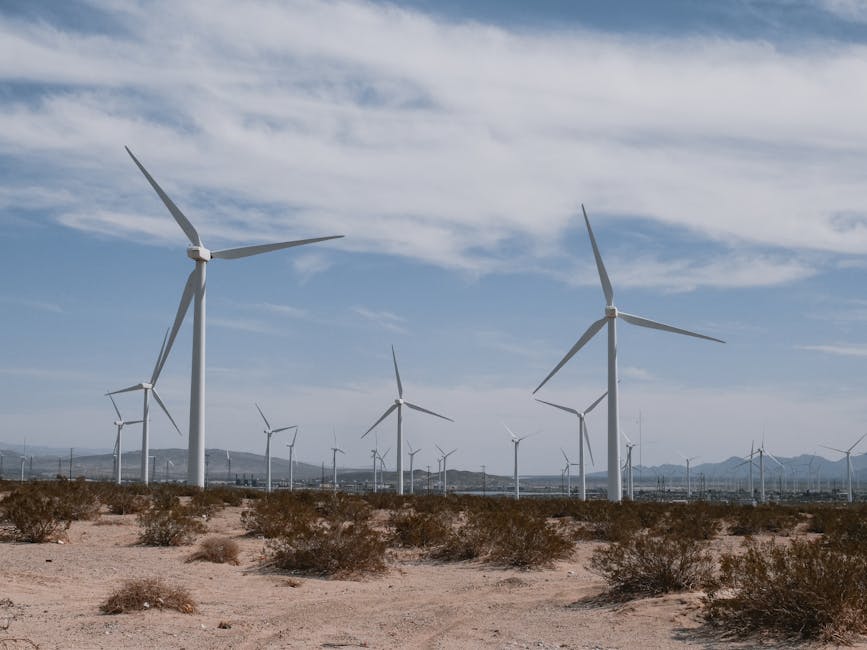
Jordan is seeking investment in solar, wind and energy storage as it works to strengthen energy security. Renewables already supply 27 percent of the kingdom’s electricity.
Officials and industry representatives say more investment is needed to maintain that growth and support new industries, including green hydrogen and ammonia. Jordan reached its current renewable electricity share in just over a decade.
Energy Security and Investment
Government officials, European institutions and private-sector representatives gathered at the Jordan-EU Investment Summit at the Dead Sea to discuss financing for Jordan’s green transition. Their talks included investment to support clean-energy growth.
A planned $1 billion green ammonia facility in Aqaba could offer a route into the emerging green fuels industry. It could use solar power to produce goods for international markets and create opportunities in that industry.
The facility remains a plan, not a completed project. Its proposed investment forms part of Jordan’s wider effort to attract financing for renewable power, energy storage and new industries.
Shada El-Sharif, founder and CEO of SustainMENA, said Jordan had begun moving toward a green economy. She cited the country’s Economic Modernisation Vision, launched in 2022, which named green development as one of eight economic drivers.
The vision aims to unlock JD41 billion Jordanian dinars ($57.9 billion) in investment by 2033 and create 1 million jobs. “We believe the green economy can deliver a substantial share of that investment and employment,” El-Sharif said.
El-Sharif said 21 percent of vehicles in Jordan were hybrid or electric. That figure adds to the picture of a country seeking investment across its green economy, alongside renewables’ larger share of electricity.
Stability and Regulation
Regional stability is essential to accelerating investment in the green and digital economy, El-Sharif said. She also described Jordan’s resilience as an investment opportunity.
Clear rules matter, too. “Clear regulations are also essential. Jordan has established regulatory frameworks for renewable energy, waste and transport, alongside a new electricity law that promotes emerging technologies such as green hydrogen and energy storage,” she said.
SustainMENA is an advisory organisation that operates across the Middle East and North Africa. It supports public, private and international-sector organizations with the green transition.
El-Sharif said the organization advises on policies, develops projects, conducts feasibility studies and raises awareness. She said this work helps encourage adoption of a green economy across the region.
Why This Matters: Jordan’s renewable electricity share has reached 27 percent, but officials and industry representatives say the kingdom needs more investment in solar, wind and storage to sustain clean-energy growth and strengthen energy security. The planned Aqaba facility illustrates the scale of financing sought: $1 billion for a project that could use solar power to serve international markets. El-Sharif’s assessment puts regional stability and clear regulation alongside financing as conditions for faster investment. Jordan’s energy-security ambitions depend on investment that sustains growth.
- jordan
- renewable energy
- green hydrogen
- green ammonia
- jordan-eu investment summit
- sustainmena
- green economy
- energy storage