
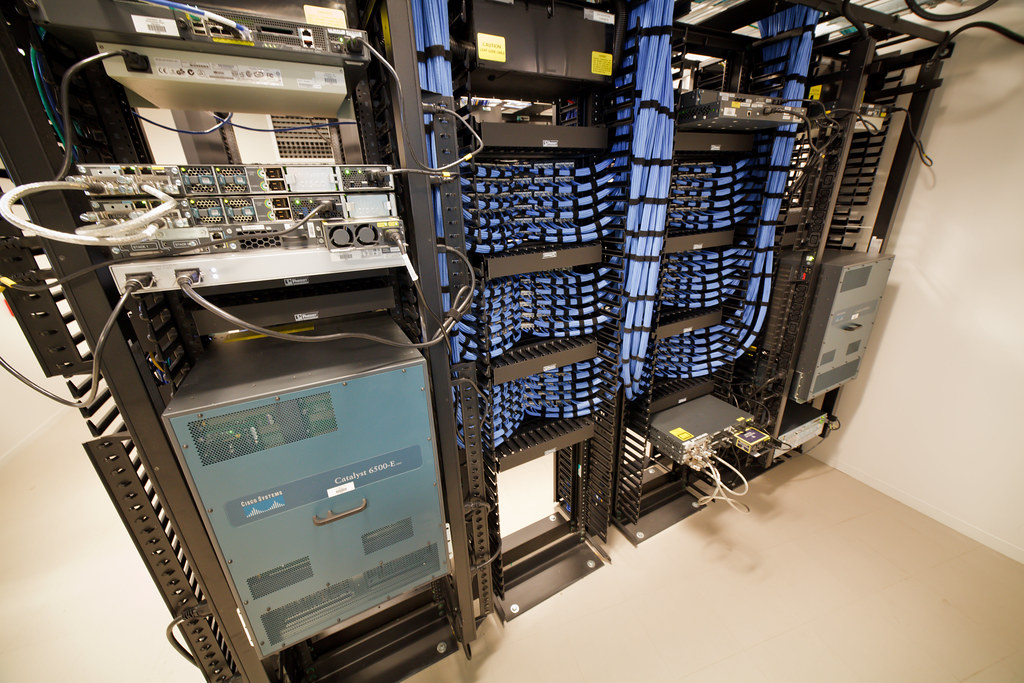
JPMorgan’s Michael Cembalest identified 2028 as the real test for the artificial-intelligence build-out, as elected officials and local voters move to restrict or pause data-center creation. The report says the central question after the midterm elections isn’t whether data-center development faces risk, but how much.
The account names Democratic gubernatorial winners Gina Hinojosa in Texas, Rob Sand in Iowa and Keisha Lance Bottoms in Georgia as candidates who pledged to restrict data centers. Voters in various local initiatives also overwhelmingly approved restrictions or pauses. The source doesn’t specify where those initiatives took place, the wording of the measures, or the number of votes cast.
Local Votes, State-Level Pledges
The report places local ballot outcomes alongside pledges by gubernatorial winners, identifying both as risks to data-center construction. It doesn’t say the pledged restrictions have taken effect or describe what form they would take. Nor does it report a shared policy among the three candidates beyond their pledges to restrict data centers.
The local initiatives produced a clear result in the terms provided: voters overwhelmingly approved restrictions or pauses. The report gives no totals, percentages, or extra detail about the measures. It also doesn’t name voters or organizations that supported or opposed them.
Those results bring local decision-making directly into discussion of the AI build-out. The source reports voter approval of restrictions or pauses, but doesn’t say authority over data-center decisions has shifted between local, state, or national governments. It identifies no treaty, federal framework, or international institution directing the policies.
Why 2028 Matters
Cembalest’s report identifies 2028 as the real test for the artificial-intelligence build-out. It doesn’t specify which events or decisions in that year will determine the outcome, or forecast how many projects might face delays or cancellation. Its stated uncertainty concerns the scale of the risk after the midterm elections.
The report links that uncertainty to political pledges and local votes. It provides no figures for current data-center construction, planned capacity, investment, or employment. It also supplies no demographic data and makes no claim about effects on the native population, migration, or cultural change. The report doesn’t provide enough information to quantify those questions.
Chip Stocks and the Limits of the Warning
Cembalest warned about chip stocks this summer, according to the report. The source doesn’t quote the warning or explain its rationale, and it doesn’t say whether the warning connected directly to the gubernatorial pledges or local initiatives.
The account names no companies, investors, employers, or institutional beneficiaries. It gives no funding trail or description of an organized campaign behind the restrictions. The evidence presented is narrower: three named Democratic gubernatorial winners pledged to restrict data centers, voters in various local initiatives overwhelmingly approved restrictions or pauses, and JPMorgan’s Cembalest identified 2028 as the real test for the AI build-out. The report leaves the expected scale of any effect unresolved.
- jpmorgan
- michael cembalest
- data centers
- artificial intelligence
- 2028
- data center restrictions
- gina hinojosa
- chip stocks