
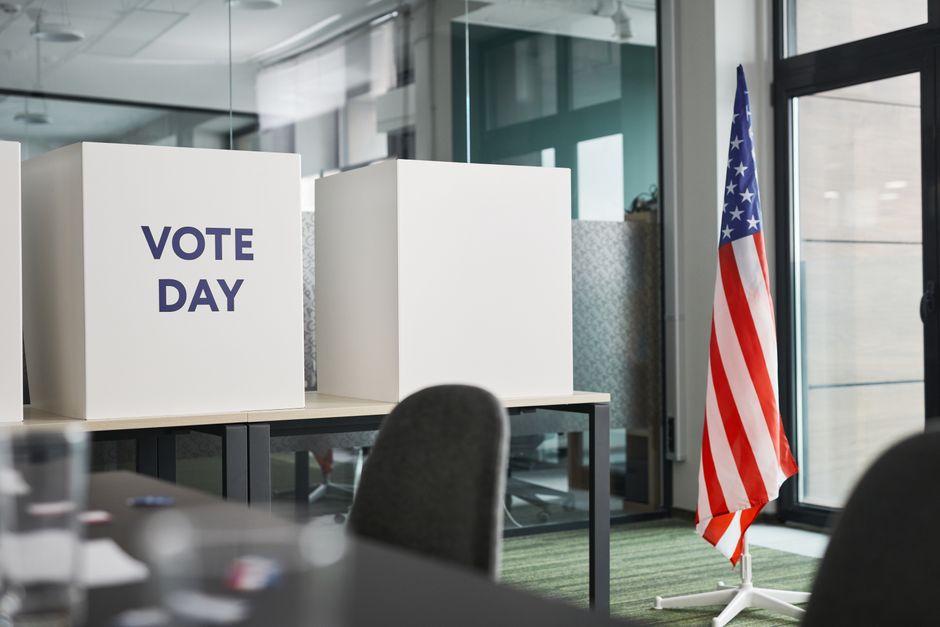
The Justice Department deployed 1,000 election monitors and observers to all 50 states on Election Day, calling it the largest monitoring effort of its kind in history. Democrats say the scale raises a pointed question: who is this operation really meant to watch?
The announcement came as voters went to the polls with control of Congress at stake. Democrats quickly criticized the plan as potential voter intimidation. The charge goes to the heart of whether federal power protects the vote or pressures it.
Where the Monitors Went
A Reuters analysis helps explain those concerns. Voters in roughly two-thirds of the jurisdictions the department listed had supported Democrat Kamala Harris over Trump in the 2024 presidential election. That's a striking overlap. The available material doesn't show that the department explained how it chose where to send its people, and the pattern will likely fuel the very suspicions Democrats have voiced.
The analysis used the 2024 contest, held two years ago, as its benchmark for measuring the monitors' footprint. By that measure, federal monitors appeared more often in places that backed the Democratic candidate.
What Election Officials Reported
Reports from the ground varied. Election officials in several states said the monitoring effort caused no issues. For them, the day passed without trouble linked to the federal observers.
New Mexico, however, reported a concern. The secretary of state's office said it had received reports of federal monitors asking "unusual questions" in one county. The Justice Department assured the office that it would address the conduct.
That detail matters. Local election administrators, not federal agents, run these contests, and they're the ones who field complaints when something feels off at a polling place. A monitor's job is to observe. Questions that voters or poll workers find unusual can blur that line. Critics warned of this kind of friction before a single ballot was cast.
The Accountability Question
The Justice Department described the deployment as a historic show of oversight. Democrats see it differently: as a possible chilling effect on voters in communities most likely to have backed their party's candidate in 2024.
The facts on hand can't fully test either interpretation. The record includes the department's own account of the operation's size, Reuters' finding about where monitors were concentrated, reports from officials in several states who encountered no problems, and the New Mexico complaint the department promised to address.
That promise to New Mexico deserves scrutiny. A pledge that conduct "would be addressed" means little without follow-through, and the available reporting doesn't say what, if anything, the department did.
Why This Matters: Federal election monitoring can protect access to the ballot, but only when officials apply it evenly and keep it within clear limits. When roughly two-thirds of the jurisdictions on a federal list leaned toward one party in 2024, voters have a fair reason to ask whether the effort is neutral. Even if most officials reported no problems, one account of monitors asking "unusual questions" shows how quickly oversight can feel like pressure to the people on the receiving end. Democratic institutions depend on public confidence that the referee isn't tilting the field. That confidence requires transparency about how officials choose monitors, what monitors may ask, and how authorities resolve complaints. Without those answers, the operation's scale may leave more doubt than reassurance.
- u.s. justice department
- election monitors
- election day
- voter intimidation
- 2024 presidential election
- new mexico
- election officials