
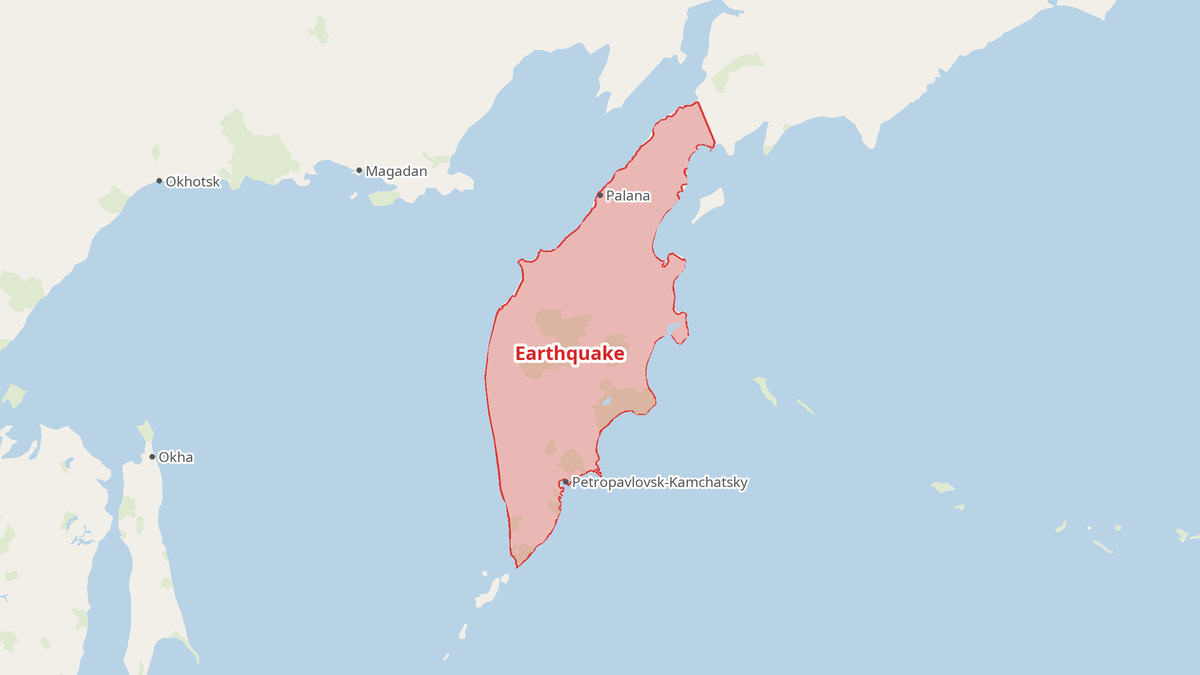
A magnitude 7 earthquake struck Russia’s Kamchatka Peninsula region on Friday, October 16, 2026, the European-Mediterranean Seismological Centre (EMSC) said. The report puts the quake’s depth at 140 km (86.99 miles), but offers no account of effects on people or buildings. The measurement is clear; the human consequences aren’t described.
What the Dispatch Establishes
EMSC gave two central details: magnitude 7 and a depth of 140 km (86.99 miles). The centre placed the event in Russia’s Kamchatka Peninsula region. Those are the confirmed particulars available here. The report names no town or community affected, describes no damage and says no one was injured. That silence isn’t evidence of no impact. It means the dispatch doesn’t provide those details.
No residents speak in the report. It offers no description of a community response and mentions no mutual aid or direct action. The article names no government action, emergency order or public service response. It also reports no legislative or electoral proposal. There’s no basis in this dispatch to claim that authorities helped, failed to help or controlled residents after the quake. The facts stop at the reported location, magnitude and depth.
The Limits of the Record
The report names the European-Mediterranean Seismological Centre as its source for the earthquake information, and attributes the depth to EMSC as well. It supplies no other named source, quotation from someone in the region or explanation of how the measurement was made. Without those details, readers get a concise account of the reported seismic event, not a picture of what people experienced on the ground.
That distinction matters. A number can describe an event, but it can’t stand in for accounts from people who may have been affected. The report says nothing about what residents saw, whether anyone needed assistance or what resources were available. It identifies no institution responsible for a response. Those questions remain unanswered in the source material; the figure in the headline doesn’t settle them.
Reuters published the report at 3:50 a.m. UTC on October 16 and updated it 23 minutes later. Sumedha Mukherjee reported from Bengaluru; Christian Schmollinger edited. The timestamps and bylines show how Reuters presented the information, but they add no further details about conditions in Kamchatka.
What the Source Leaves Open
The available facts support a narrow account: EMSC reported a magnitude 7 quake in Russia’s Kamchatka Peninsula region on Friday, October 16, 2026, at a depth of 140 km (86.99 miles). The report provides no casualty figure, damage assessment, resident testimony or account of organized assistance. It doesn’t say whether anyone knew those details when Reuters published or updated the item.
There’s no grassroots response to quote, and no institutional helper whose funding or services the report describes. There’s also no evidence here of state repression, corporate power or a policy dispute. A careful account shouldn’t turn those absences into claims. For now, the reported measurement is the story’s firm ground—and the lived consequences remain outside the dispatch.
- kamchatka peninsula
- earthquake
- russia
- magnitude 7