
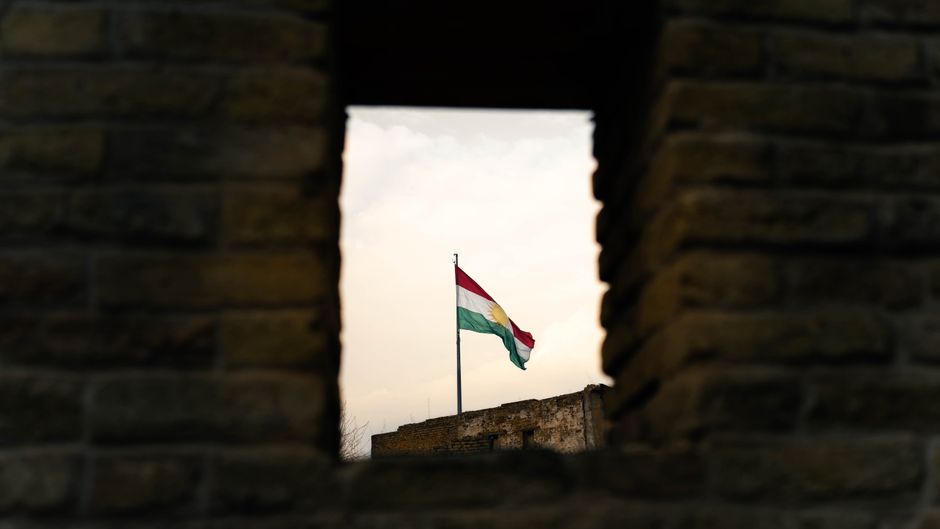
The Kurdistan Region’s parliament failed to begin regular business on Wednesday, as lawmakers tried to finish the inaugural session and elect its leadership. Independent member Hardi Salah said the legislature’s prolonged inactivity threatened the region’s political and constitutional institutions. At least 51 members still had to attend for the session to meet the legal quorum.
A chamber held hostage to party disputes
Salah said he’d join efforts to reactivate parliament and urged political forces to bring their disputes into the chamber. “Whatever position any political force holds, let it come and discuss it inside parliament,” he said. “Political competition, agreements, questioning the government, and amending and passing laws must all take place in this chamber.”
He said political meetings held elsewhere while parliament remained inactive undermined its legitimacy and disrespected voters’ will. He also warned that continued divisions could give Baghdad an opportunity to intervene in decisions about the region’s future, a prospect he called unacceptable from national and constitutional perspectives.
The machinery is on display: representatives elected to a legislature, a chamber that can’t reach quorum, and political forces negotiating outside it. Salah said he hoped the current parliamentary term would produce a written constitution for the Kurdistan Region, including a provision to prevent any party or political force from suspending parliament or obstructing its work.
The KDP parliamentary bloc urged all factions, specifically including the PUK, to attend Wednesday’s session, finish outstanding procedures and elect the legislature’s presidency. MP Nesrat Sufi said the PUK appeared to favor postponing proceedings until reaching a political agreement. Sufi called further waiting unreasonable and said parliament represented the whole Kurdistan Region, not one party.
Election results, unfinished business
The Kurdistan Region held its sixth parliamentary election on Oct. 20, 2024, after repeated delays. The Iraqi Independent High Electoral Commission announced final results on Oct. 30, allocating 100 seats among parties and minority components. The KDP won 39 of 95 general seats, the PUK won 23 and the New Generation Movement won 15. Minority components received the remaining five seats.
Lawmakers took their constitutional oaths at the first session on Dec. 2, 2024. They adjourned after failing to reach the legal quorum needed to elect a speaker, deputy speaker and parliament secretary. Later attempts to reconvene also failed, leaving the legislature without legislative and oversight functions.
An attempt to elect parliamentary leadership in January 2025 failed because too few lawmakers attended. Mohammed Sulaiman, interim parliament speaker and a New Generation Movement lawmaker, later resigned after failing to secure quorum. In August 2025, the KDP and PUK agreed to work on reactivating parliament and forming a new regional government, but disputes over power-sharing and key government positions blocked the agreement.
The next vote is on attendance
The KDP renewed its appeal in June 2026, saying bilateral and multilateral meetings, initiatives, delegations and communications hadn’t produced a breakthrough. Reports in September said the KDP and PUK had again agreed to reactivate parliament, elect its leadership and advance formation of the tenth KRG cabinet. The deadlock continued.
MP Bakhtiar Besari said lawmakers from other factions were partners whose cooperation was needed. MP Muna Qahwachi confirmed she’d attend. MP Kazhan Karim said the KDP had exhausted peaceful efforts and kept the door open to PUK lawmakers. “Kurdistan can no longer remain under this burden,” she said. She added that Vala Farid remained the KDP candidate for speaker and preparations for the session were complete.
Wednesday’s initiative wasn’t a start to ordinary legislative business. It aimed to complete the inaugural sitting’s outstanding procedures, including electing the parliament’s presidency. The tenth KRG cabinet also remained unformed. Would enough lawmakers from different factions show up? That remained the test—not of a new policy, but of whether the elected institution could get past the parties’ unfinished bargaining.
- kurdistan parliament
- kurdistan region
- hardi salah
- kurdistan democratic party
- patriotic union of kurdistan
- parliamentary deadlock
- kurdistan regional government
- political disputes