
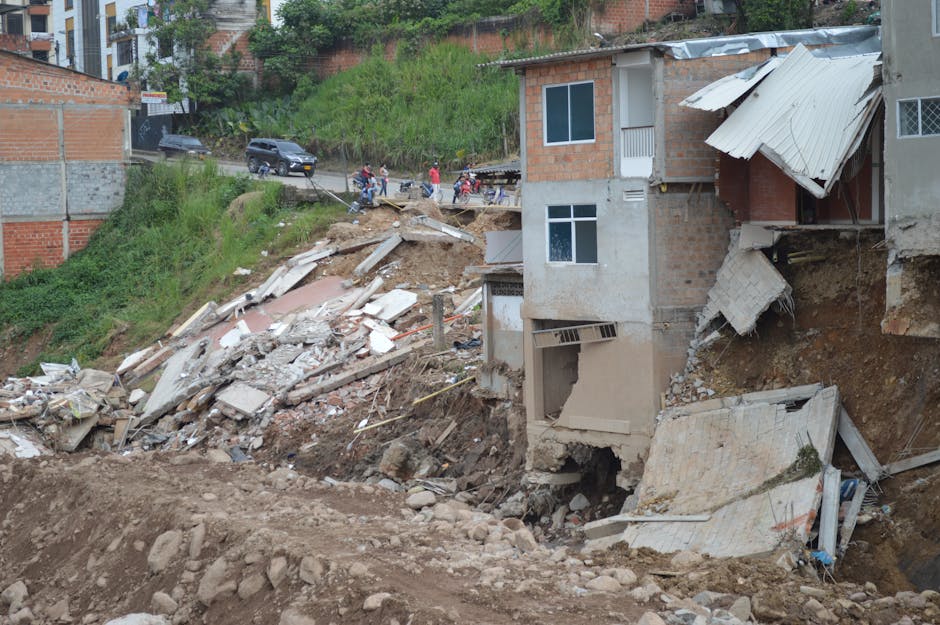
A rain-triggered landslide buried more than 10 residential buildings in southwestern China's Chongqing municipality Friday morning, forcing over 1,100 people from their homes and trapping an unknown number of residents beneath massive amounts of rock and soil.
The disaster struck Pengshui County at approximately 9:08 a.m., when part of a mountainside collapsed onto a residential area near the Wujiang River, according to state broadcaster CCTV. At least 10 people have been pulled from the debris as rescue operations continue.
Rescue Efforts Face Dangerous Conditions
Orange-clad rescue crews are working through unstable terrain with excavators to reach those still trapped. The risk of another landslide has complicated efforts to save lives. Images from the scene show two buildings—one approximately five stories and another about 15 stories high—damaged but still standing amid the rubble. Large slabs of rock slid beside the structures into a waterway below.
Several power poles were buried in the collapse, cutting electricity to the area. Authorities suspended water, electricity and gas supplies within a 1-kilometer radius of the landslide site to prevent further disruptions and hazards.
Thousands Displaced, Infrastructure Damaged
The collapse affected a residential area in the karst mountain region where the Wujiang River cuts through small towns and terraced landscapes. More than 1,100 residents were evacuated from the danger zone as rescue teams combed through debris searching for survivors.
Authorities dispatched more than 8,000 disaster relief items to the affected area, including tents, folding beds and family emergency kits for displaced residents who've lost access to their homes and basic services.
Pengshui County sits in the southeastern part of Chongqing, bordering Hubei and Guizhou provinces. The region's mountainous terrain and heavy rainfall make it particularly vulnerable to landslides that can devastate communities built on slopes.
Why This Matters:
This disaster highlights the vulnerability of working-class communities living in China's mountainous regions, where residential development often occurs on unstable terrain prone to rain-triggered collapses. More than 1,100 people have been displaced from their homes, many facing uncertain futures as they shelter in temporary facilities. The suspension of water, electricity and gas services compounds the hardship for families already traumatized by the sudden destruction of their neighborhood. As climate change intensifies rainfall patterns, communities in vulnerable areas face growing risks without adequate infrastructure investment and land-use planning that prioritizes resident safety over development. The ongoing rescue operation underscores the need for stronger early warning systems and building regulations that protect residents from foreseeable natural disasters in high-risk zones.