
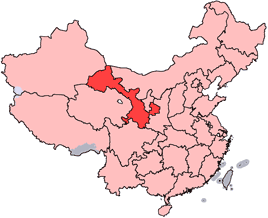
Twenty-one forestry workers died when a massive landslide buried them in a remote mountain valley in northwestern China on Tuesday morning, state media confirmed Wednesday as rescue operations concluded. Twelve others survived the disaster, seven with minor injuries, according to state broadcaster CCTV.
The workers were walking through the valley to clear and maintain forest land when the landslide struck shortly before 7 a.m. Tuesday in Gansu province's Tanchang county, about 220 kilometers south of the provincial capital Lanzhou. The crew had no warning before tons of earth and debris swept through the uninhabited area.
Scale of the Disaster
The landslide measured about 40 meters wide and covered roughly 5,400 square meters, Longnan city natural resources official Yang Yaoxian said at a news conference. Excavators worked to clear accumulated debris that reached depths of 8 to 10 meters—burying the workers under as much as 33 feet of earth and rock.
Rescue teams faced dangerous conditions as they searched for survivors and recovered bodies. The material left by the landslide remains unstable, and there's a risk of a second landslide, Yang warned. The threat underscores the ongoing danger faced by emergency responders working in the aftermath.
What Caused the Collapse
A preliminary assessment indicated the landslide resulted from a combination of steep terrain, erosion, and the area's geological structure, according to Yang. The findings point to environmental factors that made the mountainous region particularly vulnerable to such disasters.
The workers were performing routine forest maintenance—essential labor that keeps China's vast forest lands clear and healthy. These crews often work in remote, difficult terrain where geological hazards aren't always apparent or well-documented.
Remote Location Complicates Response
The landslide occurred in an uninhabited area, far from population centers. That isolation likely delayed the rescue response and made it harder to bring in heavy equipment quickly. The location's remoteness also raises questions about whether workers in such dangerous terrain receive adequate safety assessments before beginning their shifts.
State media provided limited information about the victims or whether their families have received support. The twelve survivors include seven who sustained minor injuries, though details about the nature of those injuries or the condition of the five others weren't disclosed.
Why This Matters:
This tragedy highlights the risks borne by workers who maintain China's natural resources in hazardous conditions. Forestry workers often labor in remote areas where geological dangers may not be fully assessed or communicated before work begins. The preliminary finding that steep terrain, erosion, and geological structure combined to cause the landslide raises questions about whether adequate environmental surveys were conducted before sending crews into the valley. As climate change intensifies erosion and destabilizes mountain terrain across the region, workers on the front lines of environmental management face growing dangers. The ongoing risk of a second landslide demonstrates how these hazards persist even after the initial disaster, threatening both survivors and rescue personnel. Families of the 21 workers killed deserve answers about what safety measures were in place and whether more could have been done to protect people doing essential but dangerous work.