
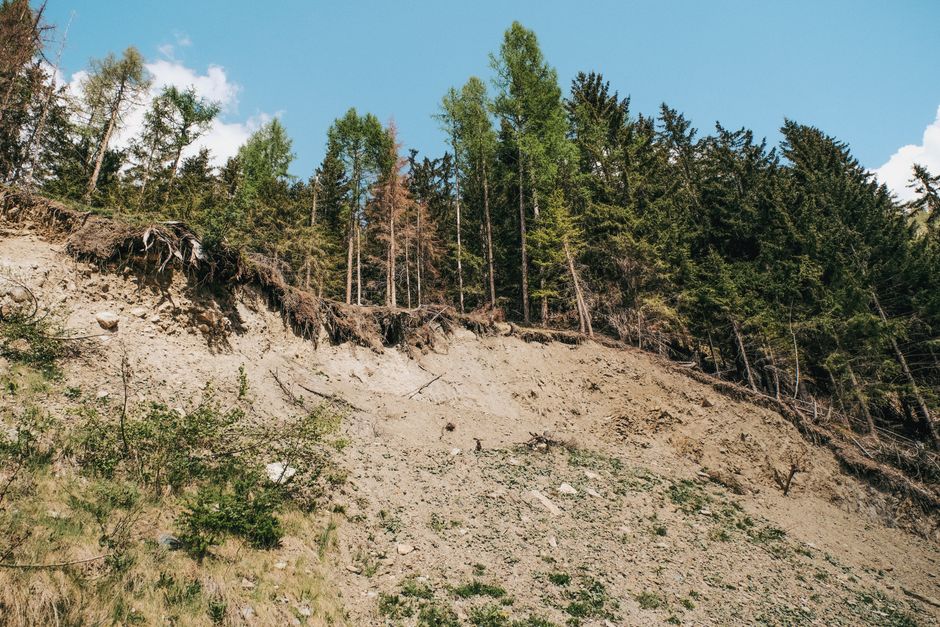
Twenty-one forestry workers were buried and killed while performing maintenance on state-owned forest land in a remote valley in northwestern China, state media reported Wednesday. The workers were part of a team heading out to clear and maintain the forest when a landslide struck shortly before 7 a.m. on Tuesday. Twelve others survived the incident, with seven sustaining minor injuries.
The Cost of Labor
These workers were engaged in the essential, often dangerous, labor of maintaining natural resources. Their deaths underscore the human cost extracted by systems that prioritize resource management, whether for profit or state control, over the safety of those who perform the physical work. The landslide itself was immense, measuring about 40 meters (130 feet) wide and covering roughly 5,400 square meters (58,000 square feet). Debris accumulated to a depth of 8 to 10 meters (26 to 33 feet), burying the workers under tons of earth.
State Management and Risk
Longnan city natural resources official Yang Yaoxian stated that excavators were deployed to clear the massive amount of debris. Yang also provided a preliminary assessment, indicating the landslide was caused by a combination of steep terrain, erosion, and the area’s geological structure. This official explanation points to the inherent dangers of the work environment, a reality often borne by the working class. The official further warned that the material left by the landslide remains unstable, posing a risk of a second collapse. The incident occurred in an uninhabited area of Gansu province’s Tanchang county, approximately 220 kilometers (140 miles) south of Lanzhou, the provincial capital. Rescue operations have now concluded, leaving behind the stark reality of lives lost in the service of maintaining state-managed land.