
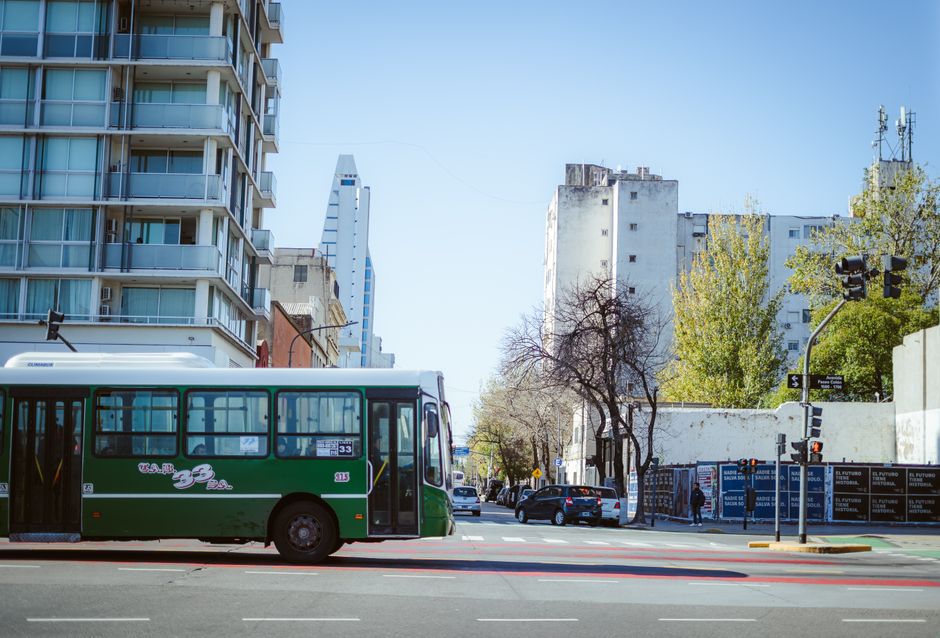
Buenos Aires bus fares and tolls rose 3.7% on Thursday, while pensions rose 1.66%. That gap opens October’s price adjustments, which took effect October 1 in Argentina, and hits households with little room to absorb them.
The minimum bus fare now stands at AR$920.48, about US$0.60, while the subway fare is AR$1,817, about US$1.18. Residential gas rose an average 2.46%. Water in the capital region increased 2.17%, bringing the average bill to AR$38,002.57, about US$25. Electricity distribution rates rose 2.41% at Edenor and 2.34% at Edesur. Prepaid health plans climbed about 2% on average, and quarterly rents adjusted by the ICL index jumped 6.72%.
Who Bears the Increase
The minimum pension stands at AR$435,748.51. Add a AR$70,000 supplement, and it reaches AR$505,748.51, roughly US$333 at Wednesday's wholesale rate of 1,517. Retirees living on that floor face the new tariffs as their income grows less than most of the bills they pay. INDEC data, meanwhile, show that state jobs have fallen by 72,440 under Milei. A bill called Inocencia Fiscal II would cut tax fines by 25%.
The pressure extends beyond Argentina. Chile's unemployment rate reached 9.6% in the June–August quarter, its highest level since May 2021 and 1.0 percentage point higher than twelve months earlier. The government's 2027 budget raises spending 1.5%. In Colombia, the central bank, Banco de la República, raised its policy rate by 25 basis points to 12.25% on Wednesday, September 30. Markets had expected 12%. The decision passed by majority. Inflation stood at 6.2% in August, outside the bank's 2% to 4% target range. Colombia's president, meanwhile, rejected a proposal to raise women's retirement age to 62.
Peru's new S/1,230 minimum wage, about US$357, also took effect October 1. In Bolivia, diesel costs Bs17.95 a litre, about US$1.49.
Institutions Under Strain
Bolivian Attorney General Roger Mariaca was detained overnight, and his office called the detention illegal. The United States had revoked his visa two days earlier over alleged narco links. Urban teachers marched in La Paz on Wednesday. A drivers' union remained in talks with ministers and promised not to hold blockades while those talks continue. A state of exception banning blockades runs through December 17, while Evo Morales's deadline for repealing government decrees expires Saturday, October 3. The International Monetary Fund board is expected to vote on Bolivia's programme Friday, October 2, with a first disbursement reported at around US$250 million.
Colombia's toll on civil society continues. Social-leader killings reached 117 this year after a shooting in Cauca. In Peru, prosecutors archived the 2024 illicit-enrichment case against Dina Boluarte.
Mexico's Senate passed a foreign-investment reform 65–30 overnight. A separate constitutional reform bars dual nationals from the presidency, governorships and Mexico City's mayoralty. The measure passed 86–42 on Tuesday and needs ratification by a majority of the 32 state legislatures. Naturalization, residency, nationality by birth abroad and voting rights remain unchanged.
Votes and Weather
Brazil and Peru both vote Sunday, October 4. Brazil has 158,745,463 registered voters, with a runoff set for October 25 if needed. A Datafolha poll from September 24 put Lula at 40 and Flávio at 36. AtlasIntel's final wave shows a 50–50 runoff. TV Globo's final debate is scheduled for October 1 at 21:30 Brasília time. Flávio Bolsonaro, Ronaldo Caiado, Augusto Cury and Romeu Zema are confirmed. Lula hadn't confirmed by Wednesday evening. Peru's regional and municipal elections will fill 13,148 posts.
Hurricane Rachel strengthened to 90 mph (150 km/h) off Mexico's Pacific coast. Coastal watches and warnings were dropped, but another 2 to 4 inches of rain, with isolated totals of 12 inches, remained possible in Guerrero, Michoacán, Colima and Jalisco. Officials described swells and rip currents along the southwestern coast as life-threatening through the end of the week.
Why This Matters: The numbers show who absorbs the cost when prices, rates and joblessness move at once. Argentine pensioners and renters face increases that outpace their adjustments, while Chile's jobless rate has climbed to a five-year high and Colombia's borrowing costs rose even as inflation stayed above target. Bolivia's detained attorney general, Colombia's 117 slain social leaders and Peru's archived Boluarte case put public institutions’ strength in focus just as millions prepare to vote. Public transit fares, pension floors, minimum wages and storm warnings are decisions made, or tested, by public bodies. How accountable those bodies are will shape who gets protected.