
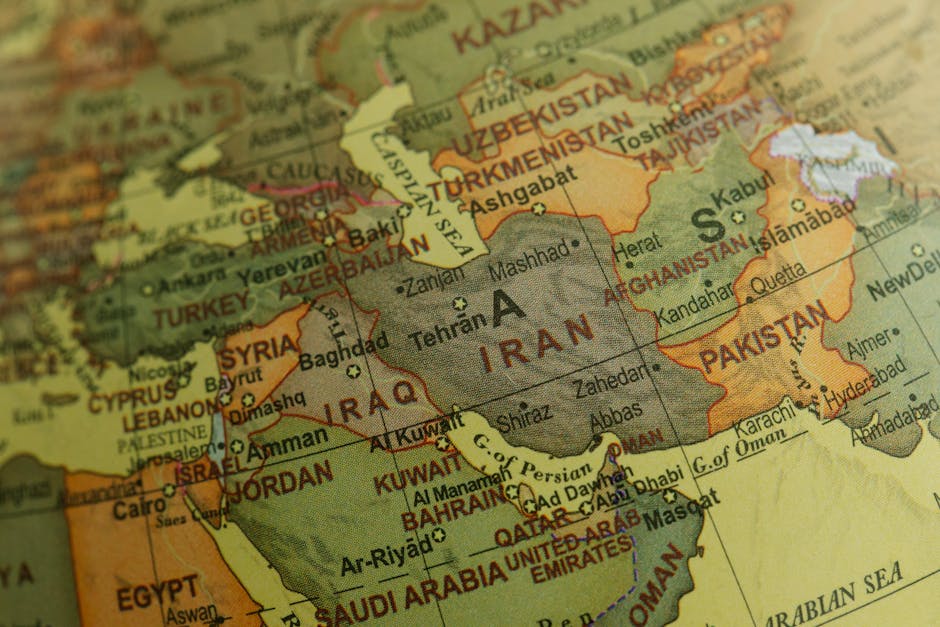
Latin American markets opened Thursday under pressure as oil prices surged following U.S. airstrikes on Iran, reviving fears of supply disruptions through the Strait of Hormuz. Brent crude settled at $73.15 a barrel in one report and was quoted at 84.69 and 85.53 in live market boards, while West Texas Intermediate was listed at $70.75 in one report and 79.52 and 80.05 in live boards.
The spike threatens to derail the region's careful monetary balancing act. Brazil's central bank delivered its third consecutive 25-basis-point cut to 14.25 percent while maintaining what it described as a restrictive stance, a delicate position now complicated by external inflation pressures. Mexico's Banxico faces June inflation of 3.37 percent and core inflation of 4.03 percent, numbers that could deteriorate if energy costs remain elevated.
Commodity Riches, Financing Vulnerabilities
Latin America holds between fifty and sixty percent of the world's lithium reserves, roughly thirty-six percent of its copper and sixteen percent of global nickel. Nearly thirty percent of its total energy comes from renewable sources, and around sixty percent of its electricity is generated from renewables. That resource base has helped the region tap green and sustainable bond markets aggressively, raising more than $164 billion between 2014 and 2024.
But the Office of the Director of National Intelligence warned that Latin America's dependence on foreign borrowing and commodity exports leaves it vulnerable to external shocks. The DXY dollar index was hovering around 104.65, keeping pressure on emerging-market currencies and making dollar-denominated debt more expensive to service.
Market Discipline Meets Geopolitical Risk
The current turbulence underscores the limits of even sound fiscal policy when global energy markets convulse. Latin American governments have courted private capital through green bonds, a market-driven approach that's channeled billions into infrastructure without relying solely on multilateral lending. Yet that same integration with global markets means the region can't insulate itself from Middle Eastern geopolitics or Federal Reserve policy.
UNCTAD and the BIS pointed to the Financing for Development conference in Seville and COP30 in Brazil as opportunities to reshape the international financial architecture. Whether those forums produce concrete reforms or simply more multilateral promises remains to be seen. What's clear now is that Latin America's exposure to commodity price swings and foreign capital flows creates real-time economic stress that central bankers can't wish away with rate cuts alone.
Why This Matters:
Latin America's dual identity as both a resource powerhouse and a borrower-dependent region puts it squarely in the crosshairs when oil spikes and dollar strength collide. The region's $164 billion in green bonds over ten years represents genuine private-sector confidence in its renewable potential, but that confidence evaporates quickly when inflation expectations shift. Brazil and Mexico are threading the needle between easing monetary policy to support growth and maintaining credibility against inflation, a task made harder when external shocks arrive unannounced. The Office of the Director of National Intelligence's warning about commodity dependence isn't abstract theory; it's playing out in real time as Middle Eastern tensions ripple through São Paulo and Mexico City trading floors. For investors and policymakers alike, the lesson is that market integration brings opportunity and vulnerability in equal measure, and no amount of lithium reserves can shield an economy from geopolitical risk.