
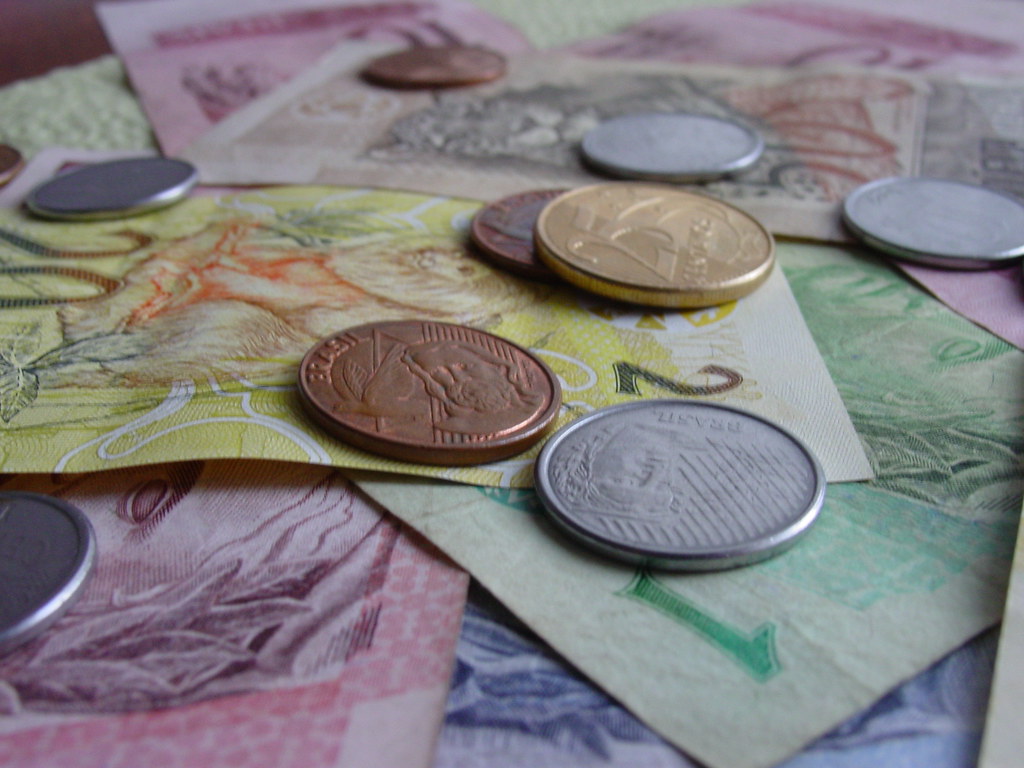
Latin American markets slid, then steadied, during the first week of October as Brazil, the region’s largest economy, prepared for a presidential runoff that could reshape the continent’s economic direction. The Ibovespa closed Thursday at 206,220, up just 0.94%. The uncertainty mattered more than the numbers.
On October 4, Flávio Bolsonaro narrowly beat Luiz Inácio Lula da Silva in Brazil’s first round, winning 47.03% of votes to Lula’s 45.16%. The runoff is scheduled for October 25—16 days away as of October 9, 2026. Prediction markets, where traders put real money on outcomes, told a stark story: Polymarket platforms gave Flávio an 85.7% chance of winning and Lula 13.5%, with US$178 million traded on the outcome. The platforms recorded those prices at 11:05 p.m. ET on October 8. Prediction-market bets aren't polls, but they've become standard intelligence for investors, campaigns, and newsrooms across the United States.
That gap matters. A narrow first-round result, followed by a runoff, creates volatility, and Brazil’s markets will likely stay nervous through October 25. The article advised foreigners holding Brazilian assets to expect swings that may be “emotional before financial.” In plain terms: expect unpredictability when high stakes collide with democratic choice.
The Dollar's Grip Tightens
Currency markets showed who bears the weight of regional uncertainty. The Brazilian real weakened to 5.0241 per dollar, up 0.15%, while Mexico’s peso slumped 1.20% against the dollar on Thursday alone. Argentina’s Central Bank bought dollars heavily in early October, local financial press reported, while the official peso rate held near 1,516 per dollar. Chile relies on imported diesel—about US$4.2 billion from January through August, with roughly 93% sourced from the United States—leaving Santiago closely watching Washington’s export policies.
For ordinary citizens, currency shifts hit purchasing power directly. When the dollar strengthens, imported goods cost more. Food prices rise. Families tighten their budgets. These aren't abstract market movements; they're immediate hardship for working people.
Diplomatic Friction at America's Edges
Seven days after the initial incident, Mexico’s President Claudia Sheinbaum questioned US interference in Mexican affairs. On October 2, US Ambassador Ronald Johnson joined Querétaro Governor Mauricio Kuri at a first-stone ceremony for an international police academy. Sheinbaum asked the Foreign Ministry on October 5 to contact both men. The report recognized the diplomatic friction as real, while noting that economic ties between the United States and Mexico remain deep. That framing acknowledges tension but minimizes its importance, glossing over a basic imbalance: smaller nations don't typically lecture the United States about which Mexican officials its representatives can meet. Washington does so freely, reflecting unequal power.
Colombia's Slow Recovery, Argentina's Fragile Hope
Sixty days after the August 10 earthquake, Colombia’s retail chain D1 and Fundación Santo Domingo pledged an additional 20 billion pesos—about US$6 million—for affected families. Their commitment included 1,000 tonnes of food for 25,000 families over six months. It's meaningful private action, but it underscores how disaster recovery depends on voluntary corporate generosity rather than systematic public provision. The COLCAP index fell 0.4% to 2,526 on October 8, even as aid pledges arrived. Families in Bogotá and Quindío checked lottery numbers, a small ritual in search of normalcy amid ongoing upheaval.
Argentina’s Central Bank bought dollars aggressively in early October to stabilize the peso, while the Merval index gained 0.3% to 2,832,472 points. The report called the rise “modest and based on hope rather than proof.” That assessment captures the situation: stability in Argentina remains conditional, resting on central bank intervention rather than underlying structural recovery.
Why This Matters:
Brazil’s runoff will determine whether the continent’s largest democracy moves toward stronger labor protections and climate commitments or toward deregulation and reduced state capacity. Mexico’s friction with Washington raises broader questions about how the United States exercises power over neighboring economies. Colombia’s dependence on private charity for earthquake recovery exposes gaps in public disaster infrastructure. Argentina’s currency struggles show how inequality deepens when workers’ savings lose value against the dollar.
These stories are connected. They show how ordinary Latin Americans—Brazilian voters, Mexican workers, Colombian families, and Argentine savers—navigate economies shaped by democratic choice and forces beyond their control. The region remains caught between old wounds and new bargains. What happens next depends on decisions made by those with power, and on whether institutions protect those without it.