
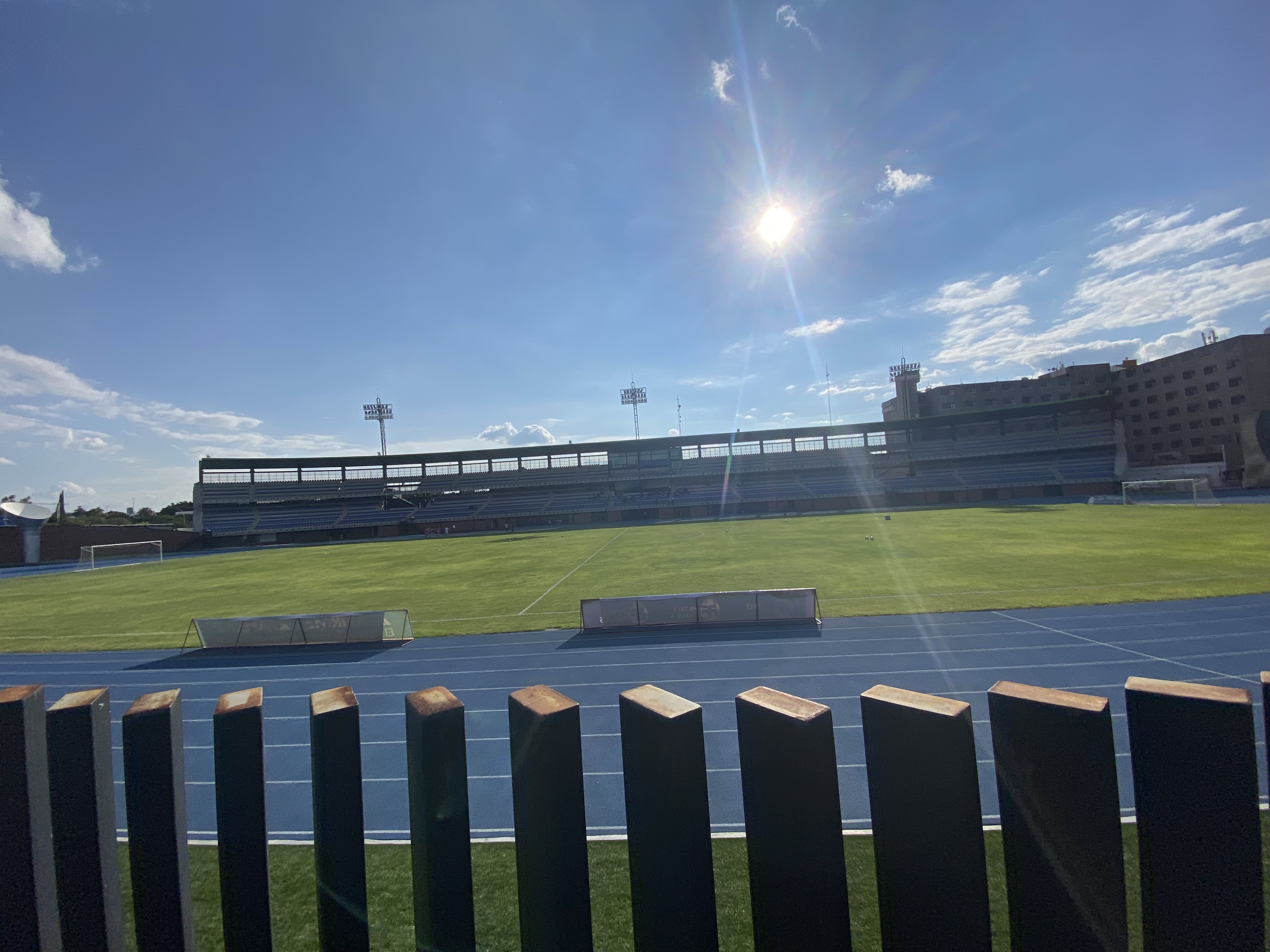
Toluca leads the Liga MX Apertura with 19 points after the ninth round, a position that underscores the intense competition driving Latin America's professional football industry. This constant struggle for dominance among teams like Chivas, with 18 points, and América, holding 17 points, fuels a massive economic engine. The standings tightened as the tournament moved into its next stage, a predictable development designed to maintain audience engagement and, by extension, revenue streams for owners and corporate sponsors.
The Business of Spectacle
The setting of the Sudamericana final four further illustrates the scale of capital involved in regional football. Vasco da Gama will meet Boca Juniors, while Atlético Mineiro prepares to face Montevideo City Torque, with first legs scheduled from 13 October. These matchups are not merely athletic contests; they are carefully orchestrated events that generate substantial profits through ticket sales, merchandise, and lucrative broadcasting rights. The very existence of such high-stakes tournaments depends on the continuous extraction of surplus value from fan engagement and the labor of players.
CONMEBOL's confirmation of the Libertadores semifinal dates reveals another layer of this globalized spectacle. Fluminense will face Palmeiras on 14 and 21 October, while Estudiantes will challenge Flamengo on 15 and 22 October. These fixtures represent the pinnacle of regional club competition, drawing millions of viewers and solidifying the financial power of the participating clubs and their corporate backers. The spectacle serves to divert attention from the underlying economic realities, presenting a narrative of pure sporting achievement.
The relentless schedule of these tournaments ensures a steady flow of content for media outlets and a consistent demand for the commodified product of professional football. Oliver Mason, a Latin America sports correspondent, updated the article at 2026-09-22T23:37:00-03:00, a testament to the continuous news cycle that sustains this industry. This constant reporting reinforces the perceived importance of these games, further embedding them into the daily lives of the working class who consume them.
Capital's Playbook
The tightening of the Liga MX standings, with teams like Toluca, Chivas, and América in close contention, is a feature, not a bug, of the system. It creates manufactured drama, driving viewership and betting markets, all of which contribute to the accumulation of wealth at the top. The competition among these elite clubs, while appearing to be about athletic prowess, is fundamentally about securing market share and maximizing financial returns for their ownership groups.
These major tournaments, the Liga MX, Sudamericana, and Libertadores, operate as highly efficient mechanisms for capital concentration. They channel vast sums from advertising, sponsorships, and media deals into the hands of a select few, while presenting the illusion of a meritocratic struggle. The players, despite their high profiles, remain laborers within this system, their careers and market values dictated by the demands of the clubs and leagues that employ them. The fans, in turn, are transformed into consumers, their passion monetized for the benefit of distant shareholders. The continuous cycle of league play and knockout tournaments ensures that the flow of capital remains uninterrupted. Each goal, each victory, each defeat, is a data point in a larger financial equation, meticulously calculated to optimize profit. The emotional investment of millions is systematically converted into economic gain for the few who control the means of production in this global sports industry.