
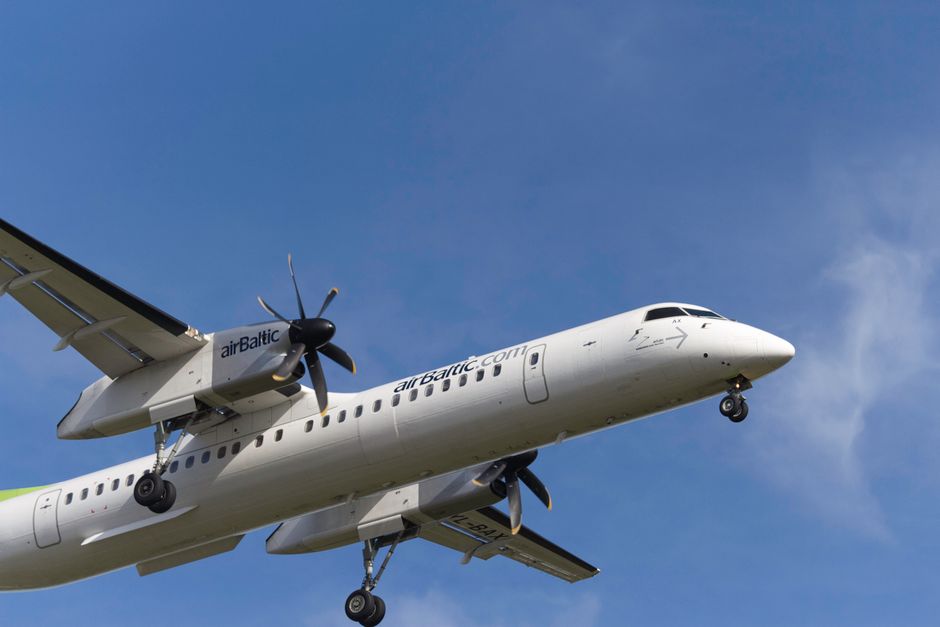
The Latvian government is negotiating with a strategic investor for struggling state-controlled airBaltic as the carrier tries to shore up its finances and avert the risk of a default. Prime Minister Andris Kulbergs told Reuters the talks are under way, with an August 3 meeting looming at which airBaltic will seek short-term financing from bondholders. The airline’s fate is being handled through the usual channels: ministers, lenders, and a “serious partner” whose name the government won’t say out loud.
Kulbergs said, “We are talking with a serious partner, yes, I can disclose that,” but declined to name the company. He added, “It is a matter of this summer to execute... We have to go through necessary steps in order to make the company ready for a strategic investor... If that happens, then airBaltic will fly.” The language is neat, managerial, and familiar. The public owns the risk. Someone else gets the upside.
State Control, Market Discipline
Latvia’s main condition for any investor would be maintaining airBaltic’s hub at Riga airport, where it is the largest airline, Kulbergs said. “I think it’s a very good proposal (for the investor),” he added, while brushing aside questions about what stake a potential investor could take in the carrier. The state keeps the hub, the investor gets a foothold, and the workers and passengers are left to live with whatever restructuring the balance sheet demands.
AirBaltic did not specify in its notice about the August 3 meeting how much funding it needs to raise. Fitch Ratings said in a note last week that the airline has yet to repay a €30 million short-term loan from the Latvian government due in August and failed in June to replenish a reserve account required under its 2029 senior secured notes. The numbers tell the story more clearly than the speeches. The company needs cash, the state has already lent it money, and the bondholders are waiting for their turn.
Debt, Delays, and the Business Plan Ritual
Management would present a new business plan next week outlining restructuring measures needed to put the airline on a sustainable footing, Kulbergs said. “The (business) plan requires a lot of components to happen. One of them is cash, the other is the strategic investor.” That’s the modern script: a business plan, a rescue package, a strategic investor, and a promise that the airline will keep flying if the numbers can be made to behave.
AirBaltic’s financial strains highlight how rising costs since the start of the U.S.-Israeli war with Iran have exposed structural issues at some airlines, fuelling investor concerns about their ability to meet debt obligations. The carrier operates a fleet of 55 Airbus A220-300 aircraft and aims to almost double that number by 2030, but it has repeatedly postponed plans for a stock market listing because of engine delivery delays that have grounded many of its planes. Growth, in other words, has been held hostage by supply chains, debt, and the demands of capital.
The airline’s problems also sit inside a wider political wreckage. Kulbergs said airBaltic’s growth targets had become unrealistic after losing access to the Russian and Ukrainian markets following Moscow’s war in Ukraine. The COVID-19 pandemic and the Middle East crisis had also weighed on its operations, he said. Those shocks didn’t arrive through a spreadsheet. They came through war, border closure, and crisis management from above, with the costs pushed down onto a state-controlled carrier and everyone dependent on it.
AirBaltic’s next move will be decided in meetings with bondholders, government officials, and a possible investor whose identity remains hidden. The public gets the bill, the airline gets restructured, and the language of “strategic” partnership does the rest.