
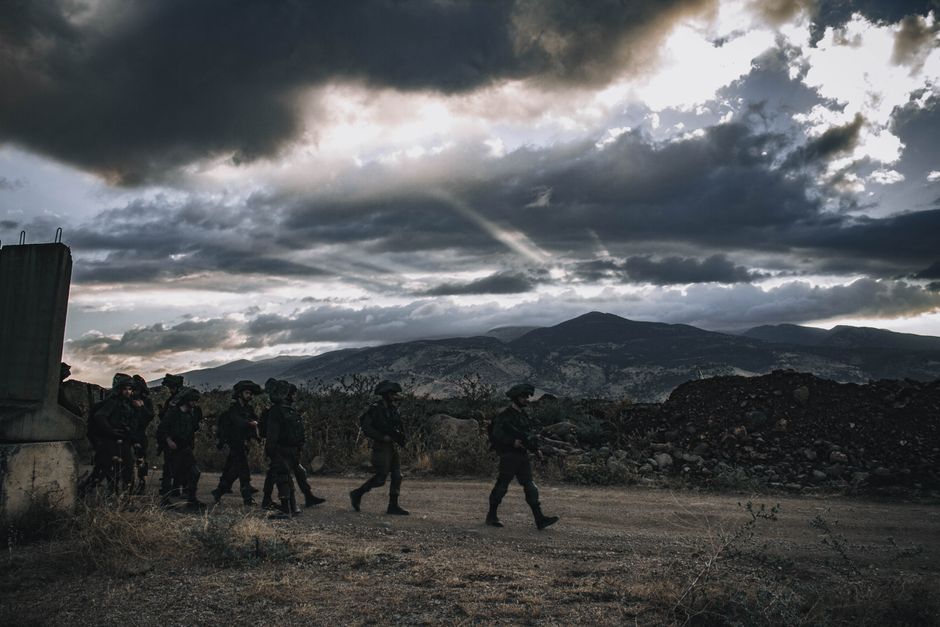
Israel has announced the lifting of all restrictions previously imposed on its northern territories, as diplomatic discussions are set to commence this week regarding an Israeli withdrawal from parts of southern Lebanon. These developments occur amidst ongoing negotiations in Switzerland between the United States and Iran, aimed at securing a permanent end to the war that the U.S. and Israel began in late February.
Israeli Military Presence and Imposed Restrictions
The planned negotiations between Israel and Lebanon are expected to focus on "pilot zones" designated for exclusive Lebanese control. An Israeli source cited by Haaretz indicated that the Israeli military could be required to partially withdraw from the so-called "yellow line" in southern Lebanon as part of these ongoing diplomatic efforts. Under the reported plan, Lebanese forces would assume responsibility for these areas under close American supervision. Additionally, Lebanese forces would take control of other locations not currently held by Israeli troops, according to the Haaretz report.
The lifting of restrictions in Israel's north follows a period of cautious calm, with no attacks recorded on Sunday between Israel and Hezbollah, marking the first such day since March 2. This lull in fighting in Lebanon represents the longest cessation of hostilities since the latest Israel-Hezbollah war began less than four months ago. Israel's military also stated it would lift movement restrictions for residents near the Israel-Lebanon border on Monday.
US-Iran Diplomacy and Sanctions Leverage
In Switzerland, Vice President JD Vance announced that his extensive discussions with senior Iranian officials had established a "good foundation for a successful final deal." The talks aim to secure a permanent end to the conflict initiated by the U.S. and Israel in late February. Vance stated that progress had been made on multiple fronts, including the establishment of "mechanisms" to ensure the Strait of Hormuz remained open and that a ceasefire held in the fighting between Israel and Iran-backed Hezbollah militants in southern Lebanon. The mediation effort commenced on Sunday and extended into early Monday, with technical talks scheduled to continue this week.
As part of an interim agreement to end the war, the U.S. Treasury issued a 60-day license waiving sanctions on Iranian oil, which will remain in effect through August 21. Vance also indicated that the U.S. might agree to unfreeze Iranian assets for the purchase of U.S. soy, corn, and wheat, an idea developed by Jared Kushner, a lead U.S. negotiator, and officials from Qatar. Qatar is slated to have approval over this process, with Iranian money made accessible through lifted sanctions intended to purchase American products "for the benefit of the Iranian people." Mediators Pakistan and Qatar jointly acknowledged "encouraging progress" in the negotiations.
The interim deal to end the fighting in Iran, signed last week by the leaders of the U.S. and Iran, established a 60-day period for negotiators to address various issues, including the future of Tehran's nuclear program. Vance noted that he sought to establish a structure for proper political oversight, with U.S. envoys Kushner and Steve Witkoff handling many of the technical details. Despite the ongoing negotiations, statements from U.S. President Trump caused a temporary disruption. Iranian state media reported that talks had paused following the "publication of an insulting message by the U.S. President," though negotiations subsequently resumed. Vance confirmed that while there were threats of a walkout, the talks continued well past one in the morning.
Vance commented on the incident, stating, "What we told the Iranians yesterday is when you guys engage in what us millennials might call trash talk, you can't expect the President of the United States not to respond and not to correct the record." Iranian Foreign Minister Abbas Araghchi communicated on X that mediators had achieved "major progress to end the Lebanon War," emphasizing that the first "real test" of negotiations would be the success of the mechanism in halting fighting between Israel and Hezbollah. Araghchi also noted that neither Israel nor Hezbollah was a signatory to the U.S.-Iran deal. Vance concluded by stating, "This region has been a basket case for a very long time."