
Lebanon’s economy is projected to shrink by 6.4% in 2026 after Hezbollah’s decision to return to war with Israel wiped out the early recovery achieved in 2025, according to the latest World Bank Lebanon Economic Monitor report. The numbers are blunt. So is the machinery behind them. A conflict driven by armed actors and state power has left hundreds of thousands displaced, damaged water systems across southern Lebanon, and pushed a fragile economy back toward collapse.
The State’s War, the People’s Bill
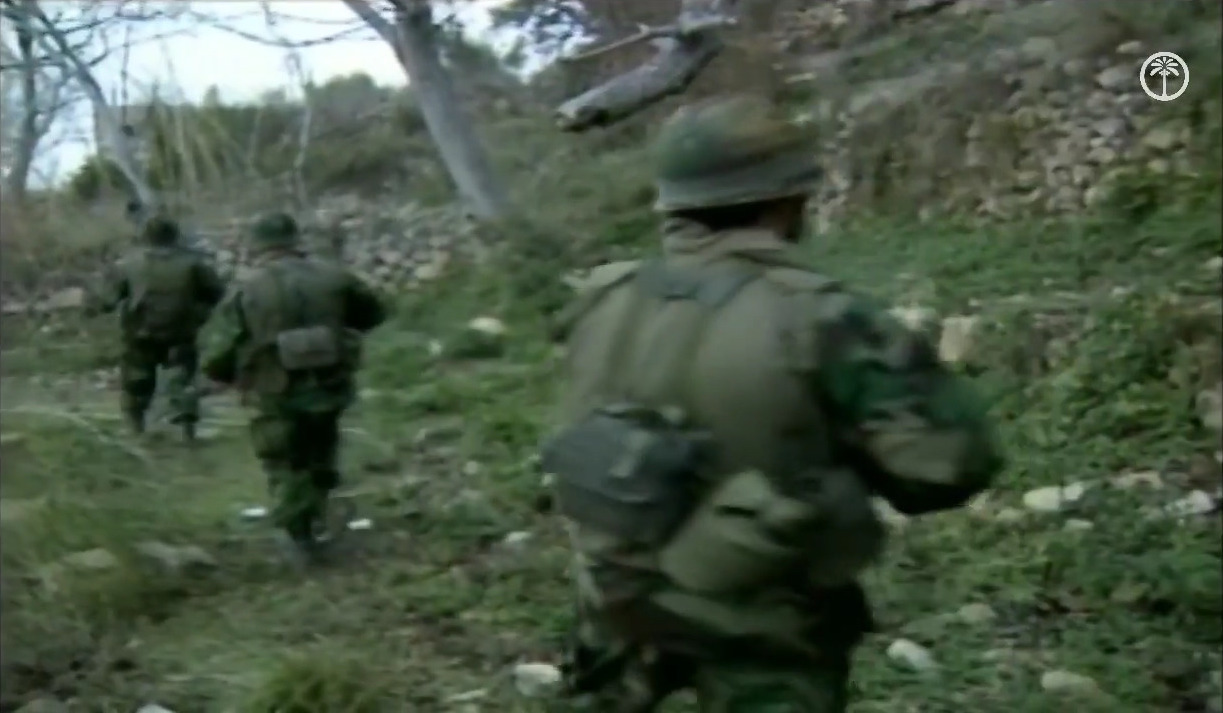
The report, titled "A Conflict-Torn Economy," estimates that Lebanon’s real gross domestic product expanded by 4.2% in 2025, the strongest growth since the onset of the country’s financial crisis in 2019. That recovery came from stronger private consumption, investment, and tourism, along with improvements in high-frequency economic indicators. Then March 2026 arrived, and the war returned. Hezbollah’s decision to renew conflict in March 2026 caused further damage to housing and infrastructure, displaced communities, disrupted supply chains, and weighed heavily on tourism and domestic demand.
Around 360,000 people remain displaced, including at least 22,000 living in collective shelters, according to UN figures. Over 700,000 people are still affected by damage to water infrastructure in parts of southern Lebanon. At the height of the conflict, the United Nations reported that 1.2 million people had been internally displaced. The institutions count the wreckage in neat columns. The people live it in shelters, broken pipes, and empty roads.
The report estimates that the conflict will reduce GDP growth by 10.4 percentage points relative to a scenario without the conflict. Lebanon’s economy had already contracted by an estimated 5.2% in 2024, so the latest downturn lands on a country that was already on its knees. The war didn’t create the crisis from nothing. It deepened a crisis that was already there, then handed ordinary people the invoice.
The NGO Mirage and the Finance Fix
World Bank Division Director for the Middle East Department Dahlia Khalifa said, "Lebanon’s fragile recovery has been sharply set back by the renewed conflict, adding to an already severe social and economic crisis. Advancing reforms – particularly on banking sector restructuring and fiscal management – will be critical to restoring confidence, protecting stability, and mobilizing the financing needed for reconstruction and recovery." That’s the familiar language of rescue from above: confidence, stability, financing, reconstruction. The report frames the answer in banking-sector restructuring and fiscal management, the usual technocratic remedies for a society being torn apart by armed power and economic collapse.
Before Hezbollah’s attacks on Israel renewed the war, in response to the killing of Iran’s supreme leader Ali Khamenei, Lebanon’s economy was starting the long path to recovery. The second half of 2025 had seen construction permits and cement deliveries increase by 12.8% and 14%, respectively, compared with the first half of the year. Flight passenger arrivals, an indicator of tourism, also increased by 24.5% over the same period. The recovery was real, but it was fragile, and it depended on conditions that armed actors could shatter in a matter of weeks.
Beirut recorded an overall surplus of 3.9% of GDP in 2025, supported by improved tax compliance, as well as stronger customs and VAT collection. Now, the fiscal position is expected to come under pressure from rising costs from conflict-related humanitarian and reconstruction needs, pressure to increase public sector wages, and slowed revenue growth. The state collects when it can, spends when it must, and calls it stability.
Debt, Imports, and the Usual Squeeze
In 2025, Lebanon imported more than it exported, so its current account deficit grew, and disruptions to regional trade stemming from the Iran wars and other factors also saw oil prices reinforce the deficit. The report warns that, at its current level, the public debt is unsustainable. Inflation is also expected to rise to 17.5% by the end of 2026 as a result of war-related supply disruptions, higher shipping costs, and rising oil prices.
With energy imports accounting for 23% of Lebanon’s total imports in 2025, Beirut’s continued dependence on imported fuel for electricity generation and transportation can only be expected to worsen the crisis, especially given the disruptions in the Strait of Hormuz. Despite renewed inflationary pressures, the Lebanese pound has remained broadly stable, supported by foreign exchange reserves and tighter local-currency liquidity. The World Bank report warns that the exchange rate could come under renewed pressure if foreign inflows decline or conflict-related shocks persist.
It notes that Lebanon’s banking sector remains deeply weakened, despite progress on parts of the restructuring agenda, and that banking-sector reform and stronger fiscal management will be essential to restoring confidence and mobilizing financing for reconstruction. That’s the official script: repair the banks, restore confidence, mobilize financing. Meanwhile, the displaced stay displaced, the shelters stay crowded, and the water systems in the south stay damaged. The institutions keep talking. The people keep paying.