
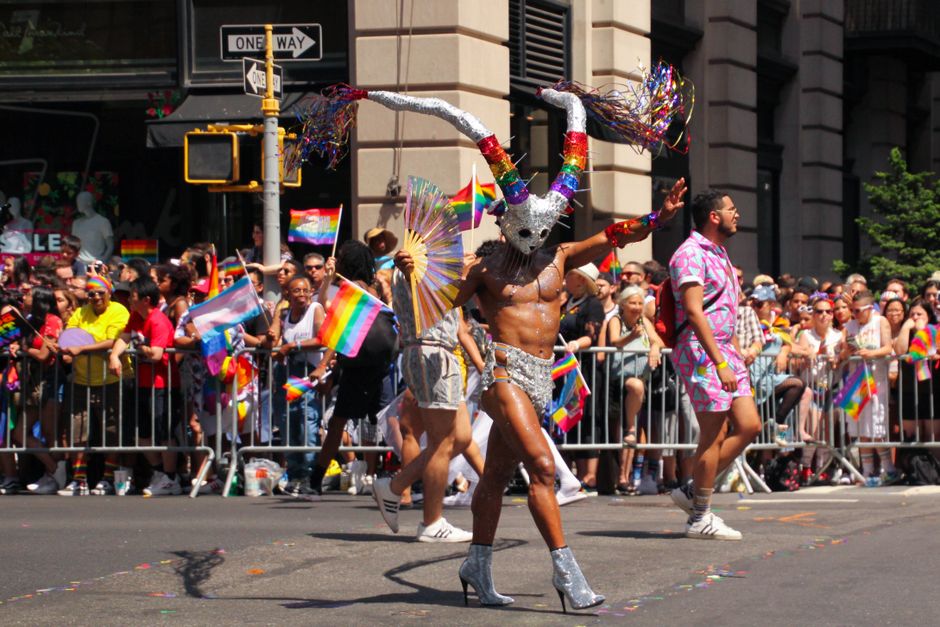
Pride Month celebrations reach their peak Sunday with major parades in New York and San Francisco marking the 57th anniversary of the 1969 Stonewall uprising, which accelerated and transformed the modern LGBTQ+ rights movement.
The events unfold amid heightened political tensions as President Donald Trump's administration works to roll back transgender rights and diversity, equity and inclusion initiatives. Among other moves, the Republican administration removed a rainbow Pride flag from the Stonewall National Monument earlier this year, then ultimately relented amid a lawsuit. Multiple Republican governors have promulgated conservative-friendly designations for June, such as "Nuclear Family Month," sometimes openly describing them as a counter to Pride.
Political and Cultural Backdrop
"As LGBTQIA+ events and symbols are being erased, it's vital that our community have safe spaces to show up and march to make clear: We are here," Chris Piedmont, a spokesperson for New York parade organizers Heritage of Pride, said in a statement Friday. "We will not be erased."
Other prominent Republican politicians, including Vice President JD Vance, criticized Major League Baseball's response to some San Francisco Giants players who added Bible verses to the rainbow-themed Pride Night caps they were issued. The political friction reflects broader debates over religious liberty, free expression, and the role of corporate America in social movements.
Historic Roots and Modern Celebrations
Both the NYC Pride March and the San Francisco Pride Parade trace their roots to events held in 1970 to commemorate the Stonewall rebellion on June 28, 1969, when patrons of a New York gay bar called the Stonewall Inn resisted a police raid and ended up kindling a wave of activism. The Stonewall Inn still is a bar; the Stonewall monument centers on a small park across the street, about half a mile from the Pride March route at its closest point.
Also set for Sunday in Manhattan is the newer Queer Liberation March, founded by activists who saw the Pride March as too corporate and official.
Hospital Controversy and Federal Intervention
This year, some transgender rights activists pressured Pride organizers to bar some New York City hospitals' contingents from marching because the institutions announced in recent months that they would stop providing transgender youth treatments. The cutoff came amid funding threats from the Trump administration, and at least some of the hospitals also got federal Justice Department subpoenas for transgender patients' medical records. A judge has temporarily blocked the document demand.
Heritage of Pride said it has been talking with the hospitals about the issue. The group also noted the parade contingents are organized by LGBTQ+ employee groups, not by the top administrators responsible for decisions about care.
International Dimensions
Other cities with Pride parades Sunday include Seattle, where a World Cup soccer match Friday took on a Pride dimension after the countries whose teams involved — Iran and Egypt — tried unsuccessfully to get the celebrations canceled.
Why This Matters:
The dueling narratives surrounding Pride Month reflect fundamental questions about the proper balance between individual liberty, religious freedom, and government policy. The Trump administration's efforts to scale back diversity initiatives and investigate medical records raise constitutional concerns about federal overreach and privacy rights. Meanwhile, the debate over hospital participation highlights the complex intersection of federal funding, medical autonomy, and activist pressure. The international attempt to cancel Seattle's Pride celebrations underscores the stark contrast between American freedoms and authoritarian regimes that criminalize LGBTQ+ expression. These tensions will likely shape policy debates over parental rights, medical ethics, and the limits of government intervention in private institutions for years to come.