
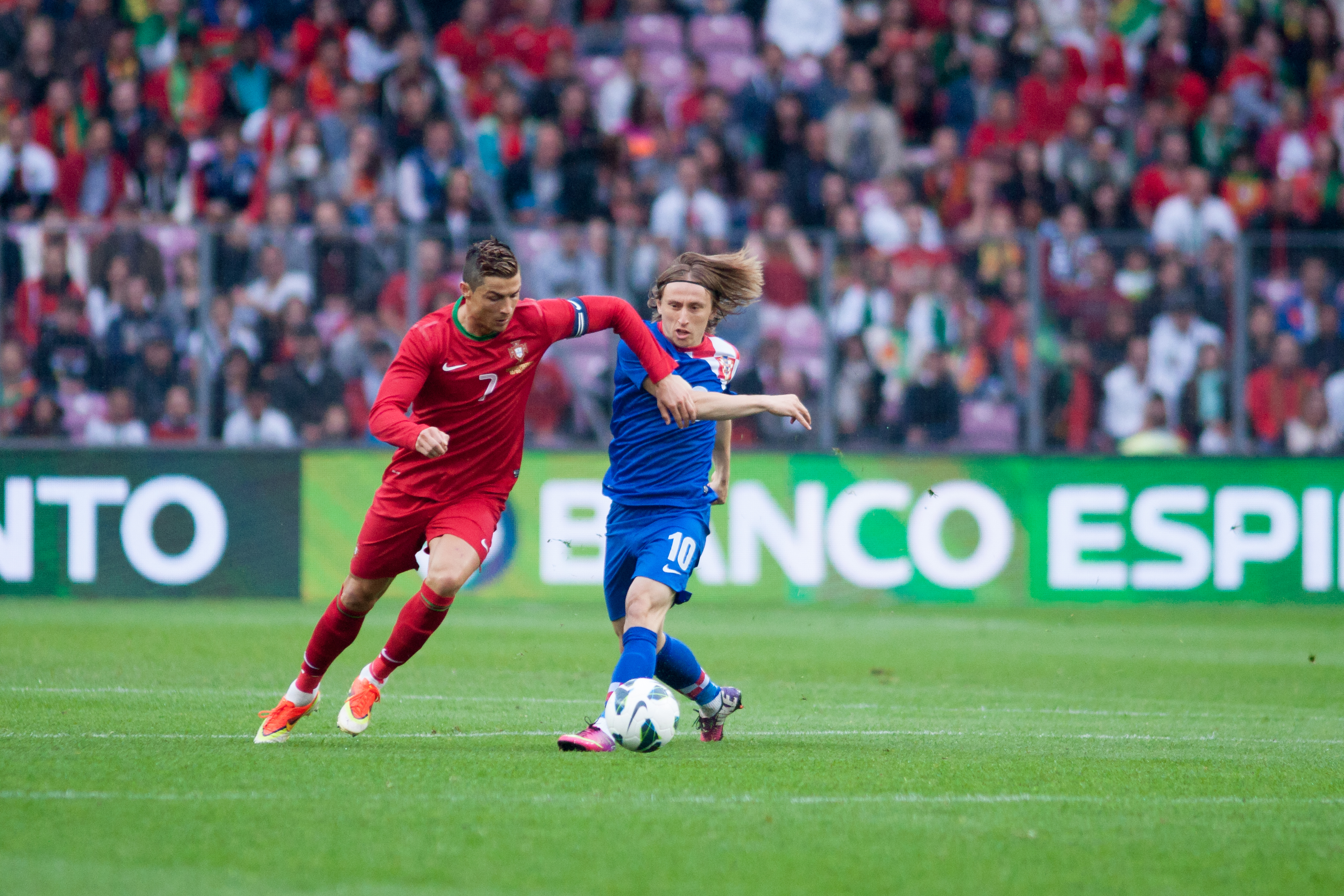
AC Milan midfielder Luka Modric has signed a one-year contract extension, another neat little transaction in a sport where clubs, managers and star names keep moving while the money and the hierarchy stay put. The Croatian turns 41 in September, and Milan have kept him on after he joined last summer on a one-year deal with an option to extend after leaving Real Madrid.
The Club Decides, the Player Performs
After 13 years at the Bernabeu, Modric scored two goals in 37 appearances for Milan in a season that ended with the club fifth in Serie A and out at the last-16 stage of the Coppa Italia. That is the basic rhythm of elite football now: contracts, extensions, rankings, exits, and a constant demand to keep producing for institutions that treat players as assets and supporters as revenue.
Modric said: "I am thrilled to stay at AC Milan, where you made me feel welcomed and loved from the very first day. After a season below our expectations, the desire to bounce back is immense. A new season and a new challenge await us - a project I believe in and that motivates me. I'm ready to continue to give everything again for this shirt and I'm so proud to keep wearing these colours. Can't wait to return to San Siro and feel your roar."
The language is all loyalty and feeling, the usual varnish on a system built around contracts, branding and performance. The shirt matters. The project matters. The roar matters. The structure behind it stays offstage, where it belongs for the people who run it.
A Career Built Through the Pyramid
Modric has just played in his fifth World Cup, where Croatia were knocked out in the last 32 by Portugal. Since he became national team captain in 2016, Croatia had previously been runners-up and finished third in the World Cup. He won the 2018 Ballon d'Or, six Champions League titles and four La Liga titles at Real. Before that, he made 160 appearances for Tottenham Hotspur over four years in north London.
That is the ladder. Clubs, leagues, national teams, trophies, captains, captains again. The whole thing depends on a rigid hierarchy of institutions that decide where talent goes, who gets paid, who gets celebrated, and who gets discarded when the next season starts.
In Milan this season, he will play under former Manchester United head coach Ruben Amorim, who replaced the sacked Massimiliano Allegri in June. The managerial churn keeps turning. One name goes, another arrives, and the club issues a statement as if the change itself means something beyond a reshuffle at the top.
The Statement Says It All
Milan said: "A key figure in the Rossoneri midfield since his arrival, Luka has brought his experience and quality to the service of the team, both on and off the pitch, with humility and great passion. One of the finest and most iconic players in world football, the Croatian will continue his journey in the Rossoneri shirt with the ambition to reach new, important milestones."
That is football's corporate catechism in full voice. Experience. Quality. Service. Journey. Milestones. The club speaks like a brand manager because that's what it is, and the player is praised for fitting neatly into the machine.
Modric's extension is simple enough on paper. One more year. One more contract. One more season in a system where the club keeps the terms, the managers keep changing, and the spectacle keeps selling itself as devotion.