
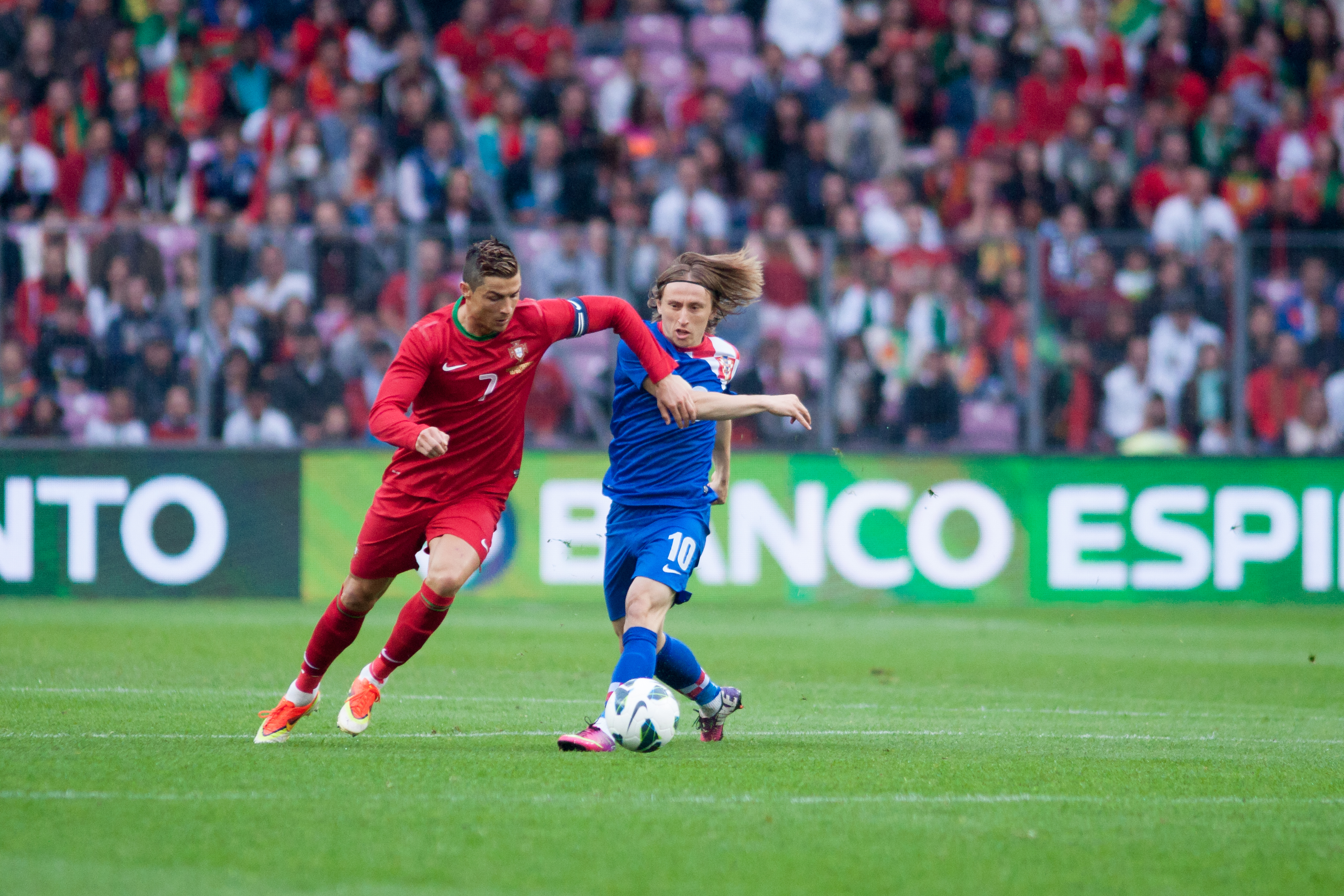
Luka Modric, the Croatian midfielder, has signed a one-year contract extension with AC Milan. The agreement allows the player, who will turn 41 in September, to continue his career at the highest levels of European football. This extension follows his move to Milan last summer, after 13 years at Real Madrid, showcasing a career built on seamless international mobility.
Modric's journey, from Tottenham Hotspur to Real Madrid and now AC Milan, exemplifies the unrestricted movement afforded to elite capital and its agents across Europe. He has scored two goals in 37 appearances for Milan, a season that saw the club finish fifth in Serie A and exit the Coppa Italia in the last-16 stage. His continued presence underscores a system where certain individuals are welcomed and valued across borders, while millions seeking safety and opportunity face walls and violence.
Mobility for the Elite, Walls for the Rest
Modric's statement, "I am thrilled to stay at AC Milan, where you made me feel welcomed and loved from the very first day," highlights a stark contrast. For those deemed valuable by the global football industry, Europe's borders are porous. For others, particularly those from the Global South, these same borders represent a deadly gauntlet, enforced by the apparatus of Fortress Europe.
His career has been one of constant movement, a privilege denied to countless individuals. He spent four years in north London with Tottenham Hotspur, making 160 appearances, before his long tenure in Madrid. This freedom of movement is a fundamental right for capital, yet it is criminalised for human beings.
The European Project's Double Standard
Modric's belief in the "project I believe in and that motivates me" can be seen through the lens of Europe's selective integration. The EU's "peace project" facilitates the free flow of goods, services, and highly paid professionals like Modric, while simultaneously constructing an elaborate border regime designed to exclude and deter. This double standard is structural.
AC Milan's statement lauded Modric as "a key figure in the Rossoneri midfield," praising his "experience and quality" and his "humility and great passion." Such accolades are reserved for those who contribute to the accumulation of capital, reinforcing a system that values profit over human life. The club expects him to "reach new, important milestones" in the Rossoneri shirt.
Football's Global Capital vs. Human Rights
Modric's international career extends beyond club football; he has just played in his fifth World Cup, where Croatia reached the last 32. Since becoming national team captain in 2016, Croatia has achieved significant success, including being runners-up and finishing third in previous World Cups. His individual accolades, including the 2018 Ballon d'Or and multiple Champions League and La Liga titles with Real Madrid, further cement his status within this globalised industry.
The arrival of former Manchester United head coach Ruben Amorim to lead Milan, replacing the sacked Massimiliano Allegri in June, further illustrates the fluid movement of highly compensated professionals within Europe's economic structures. This ease of transit for coaches and players stands in stark opposition to the daily reality of pushbacks, detention centres, and the thousands who die attempting to cross the Mediterranean. The celebration of Modric's continued journey in Milan serves as a stark reminder of who is welcome in Europe, and who is not.