
Andre Janones’ WhatsApp channel, Exercito do Lula, grew from about 60,000 followers after Brazil’s first election round to almost 11 million subscribers by election day, October 25, 2026. The campaign turned supporters into self-organized online messengers, while Argentina’s President Javier Milei declined to issue an official statement congratulating Luiz Inácio Lula da Silva on his re-election.
Janones urged people to enlist as “soldiers,” post saluting emojis and join the channel. He assigned “missions”: recruit three friends, share campaign videos and promote hashtags. Subscribers could forward his frequent messages or react with emojis, with reactions often reaching tens of thousands. That’s electoral gamification with a mass audience—and a clear task for people who wanted something concrete to do.
A campaign built from the ground up
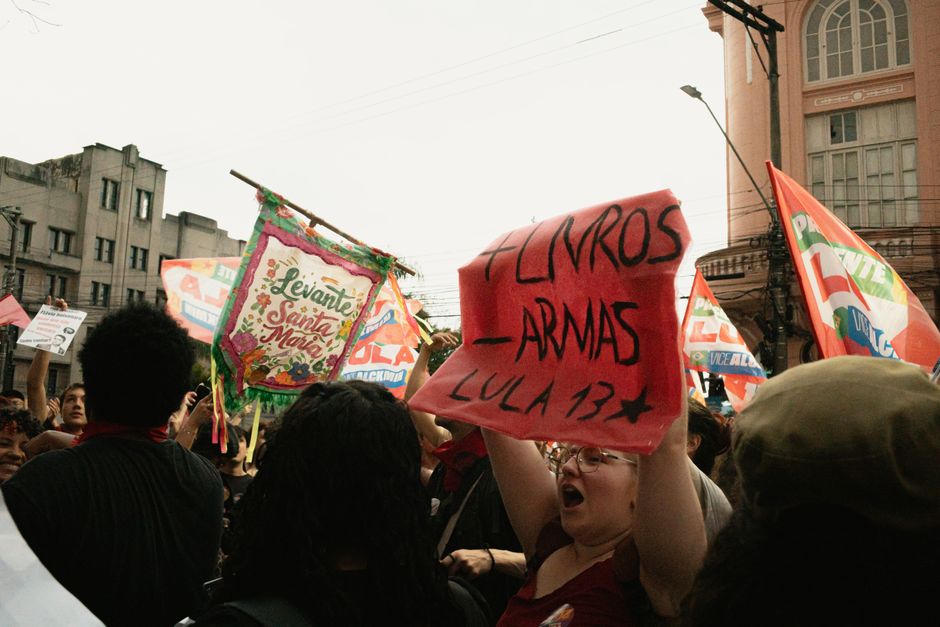
Three weeks before the runoff, Lula had finished behind right-wing rival Flávio Bolsonaro in the first round, and his campaign was struggling to match the right’s social media operation. Janones posted: “We are going to win this election. Lula will be re-elected president of Brazil.” On Sunday, Lula celebrated his runoff victory in São Paulo with Janones beside him, calling him “our general.”
Lula told supporters on Paulista Avenue that Janones “played an exponential role in this campaign in lifting the morale of our troops every day, morning, noon and night.” The military language came from the campaign itself. Janones, a lawyer and congressman who grew up in a working-class family in Minas Gerais, had spent the final weeks building a mass online movement.
Andre Pagliarini, an assistant professor of history and international studies at Louisiana State University and author of a book on Lula, said the channel gave supporters something tangible to do. “It became an organising platform that grew exponentially because it spoke to a desire that many Lula supporters evidently had to do something tangible to defeat Flavio Bolsonaro,” he said.
Janones promoted the hashtag #SomosTodos9Dedos, or “We Are All Nine Fingers,” after Lula described losing a finger at 17 while working a night shift in a factory. During the final televised debate, Lula linked his injury to workers hurt through employers’ negligence after Bolsonaro mocked him for having nine fingers. Supporters shared the hashtag, and some posted photographs of their amputated fingers.
Pagliarini said the campaign had presented Lula’s working-class past as “a finished monument, worthy of admiration but distant from the lives of the people it was meant to represent.” Janones called publicly for simpler campaign videos showing Lula drinking coffee, visiting homes and talking with ordinary Brazilians. Around the same time, the campaign posted more informal, selfie-style videos. “Lula was looser in his political communication, less mediated,” Pagliarini said.
Janones became known for social-media commentary during Brazil’s 2018 truckers’ strike and was elected to Congress that year. In 2022, he dropped his own presidential bid to endorse Lula and joined his runoff campaign, helping coordinate Lula’s digital operation against Jair Bolsonaro. Viktor Chagas, a professor at Fluminense Federal University who studies digital politics and online campaigning, said Janones used tactics similar to Bolsonarism while operating on the left. Janones called his approach “cultural Janonism”; it used urgent messages, memes and calls to action, along with occasional negative campaigning and what Chagas described as “content of questionable origin.”
Votes aren’t the whole story
The network’s scale was unprecedented, Chagas said, but its effect on the result remains difficult to establish. “I am not sure there is a way to empirically connect the group to the outcome,” Pagliarini said. He nevertheless credited Janones with helping turn the campaign around. Chagas said it was “difficult to imagine the outcome we achieved without Lula’s Army,” which brought together left-wing supporters scattered across online communities.
That distinction matters: the channel mobilized people during an election, but the reporting doesn’t establish how many votes it delivered. Chagas also said sustaining engagement between elections would be a challenge given the far right’s “permanent campaigning.” On election night, Janones told supporters, “EVERYONE TO PAULISTA TO CELEBRATE” and “NOW.” Later, he joked, “Then we’ll discuss a few days off for you,” in a message that received more than 225,000 reactions.
Presidents withhold the handshake
In Argentina, Milei’s spokesperson Adrián Ravier said Tuesday, October 27, that there would be no official statement congratulating Lula. “There will be no official statement,” Ravier told reporters, adding that the government had taken note of Sunday’s result. He said Milei’s government was responding to the absence of a congratulatory gesture from Lula when Milei was elected president in 2023.
The account in the reporting is more complicated: Lula acknowledged Milei’s 2023 election victory in a November 19 post on X, wished his incoming administration “good luck and success,” and expressed respect for Argentina. “Democracy is the voice of the people, and it must always be respected,” Lula wrote. He congratulated Argentina’s institutions and praised voters for participating peacefully, adding: “Argentina is a great country and deserves all our respect.”
Milei and El Salvador’s Nayib Bukele were described as the only two Latin American governments not to have publicly recognized Lula’s victory. Relations between Milei and Lula had been strained since Milei took office in December 2023; the leaders clashed over political views and international alliances. Milei aligned himself closely with the United States and Israel, while Lula pursued a different foreign policy. Milei also openly backed Flávio Bolsonaro’s presidential candidacy, intensifying tensions between Buenos Aires and Brasília.
Ravier rejected suggestions that the decision would damage bilateral ties and said trade and cooperation through Mercosur would continue. “Argentina and Brazil are two brotherly peoples,” he said. “Diplomacy continues on the Argentine side, commercial relations continue, and we do not expect any of this to affect the work we are carrying out within Mercosur.” Ravier said Milei considered relations between the populations more important than ideological differences between presidents. “The only thing I can say here is that the president is not a hypocrite. There is a real ideological difference between the two leaders.”
- luiz inácio lula da silva
- andre janones
- javier milei
- brazilian election
- social media campaigning
- argentina-brazil relations
- mercosur