
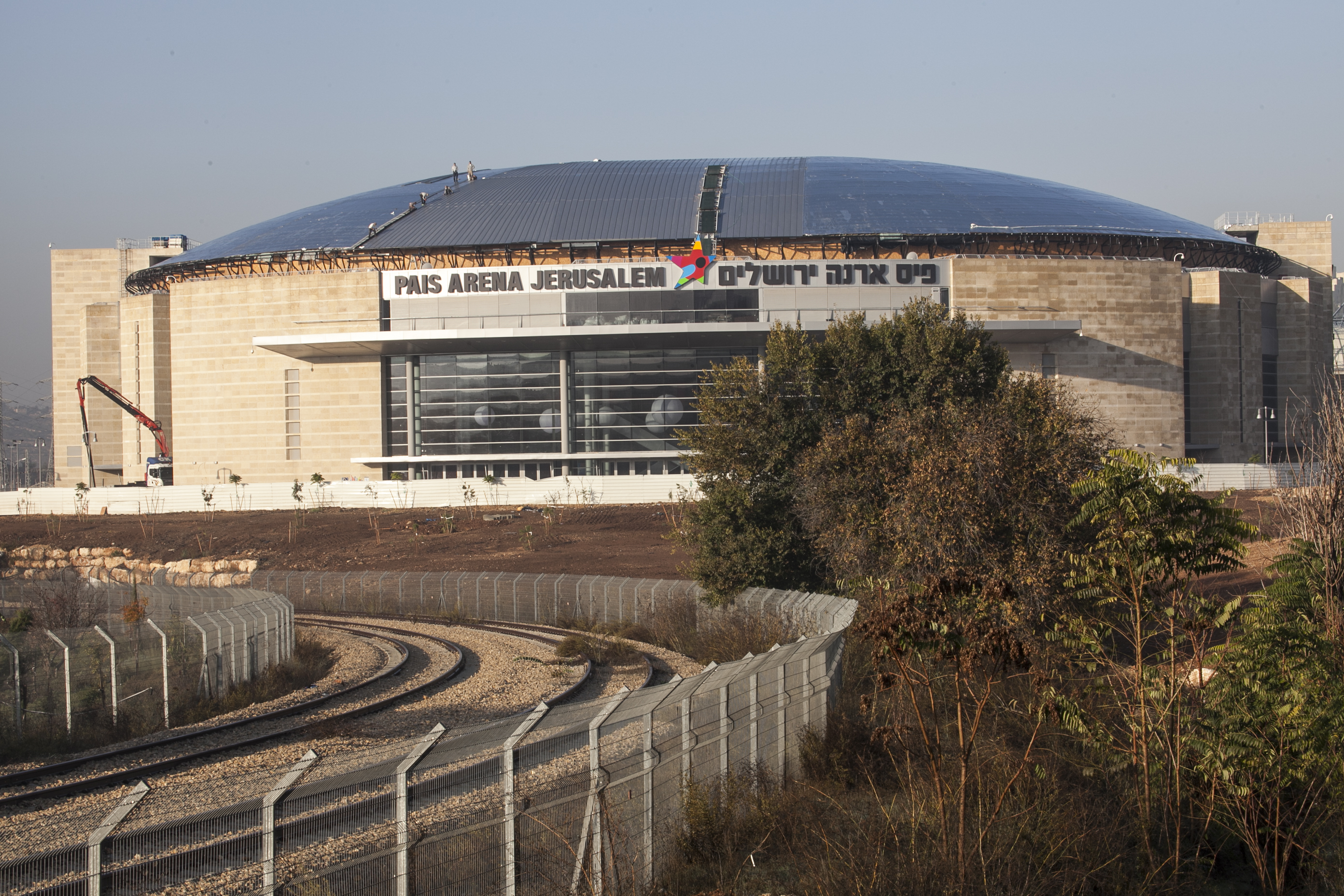
Lonnie Walker, a player for Maccabi Tel Aviv, dislocated his finger during an overtime victory against Hapoel Jerusalem, an injury that will sideline him for 2-3 weeks. This physical cost was borne by the laborer amidst the high-stakes competition at the Pais Arena in the capital.
Maccabi Tel Aviv secured a 112-105 overtime victory over Hapoel Jerusalem. The game saw intense individual and collective labor output from both sides. Walker himself contributed 25 points to Maccabi Tel Aviv's effort before sustaining the injury in overtime.
Other key laborers for Maccabi Tel Aviv included Oshae Brissett, who added 22 points, and Jimmy Clark, who scored 19 points. For Hapoel Jerusalem, Jared Harper led with 26 points, and Justin Smith contributed 23 points. These individual performances represent the concentrated labor required to produce the spectacle.
The Cost of Labor
The dislocation of Lonnie Walker's finger in overtime underscores the inherent risks faced by professional athletes, whose bodies are their primary means of production. This injury will remove a key labor unit from Maccabi Tel Aviv's roster for a period of 2-3 weeks, impacting the team's immediate operational capacity. The physical toll of such intense competition is directly absorbed by the workers.
Maccabi Tel Aviv coach Oded Katash expressed satisfaction with the outcome, stating, “I’m very happy that we won one of these types of games. You saw some great plays by great players with a tremendous amount of quality from both sides.” Katash's remarks highlight the management's focus on the “quality” and “great plays” produced by the players, framing the game as a high-level competitive product. He further noted, "This was an excellent game played at a very high level in a great competitive league,” emphasizing the systemic environment designed for peak labor performance and consumption.
Hapoel Jerusalem bench boss Yonatan Alon reflected on the game's conclusion, observing, “The end of the game was decided by some terrific individual plays, and that’s how games go sometimes in overtime.” Alon also referenced the absence of other key laborers, stating, “We are missing Austin Wiley, who is an excellent player, and also Yovel Zoosman, so it’s hard to judge Jerusalem as is with the team that we are playing with now.” This perspective reveals how the performance of the collective is directly tied to the availability and individual output of its constituent labor units. Alon's stated goal, "I hope that we can get to the playoffs with home court advantage despite the recent losses,” illustrates the competitive pressures and the drive for positional advantage within the league's structure.
Player Jimmy Clark, a laborer for Maccabi Tel Aviv, offered his perspective on the intense work, stating, “It was a game of runs, and there were some things that we had to clean up, but it was good for the guys to get through some adversity and take the win.” Clark's statement acknowledges the challenges and “adversity” inherent in the labor process, framing the victory as a collective overcoming of obstacles by the workers.
The Spectacle of Capital
The game itself unfolded with Hapoel Jerusalem, aided by Justin Smith and Jared Harper, initially controlling the pace. Maccabi Tel Aviv countered with Lonnie Walker and Oshae Brissett, securing a narrow 53-52 lead by halftime. In the second half, Brissett and Jimmy Clark continued to generate points for Maccabi, while Harper's outside shots kept Jerusalem competitive, giving them a late lead. Roman Sorkin's first field goal of the matchup forced the game into overtime. In the extended period, Sorkin scored from deep, and Clark also contributed to close out the win for Maccabi Tel Aviv. The entire event, from the individual scoring efforts to the strategic plays, constitutes the product consumed by spectators and generates revenue for the team owners and the league. The injury to a key player like Walker is a direct consequence of the physical demands placed on these laborers to maintain the spectacle.