
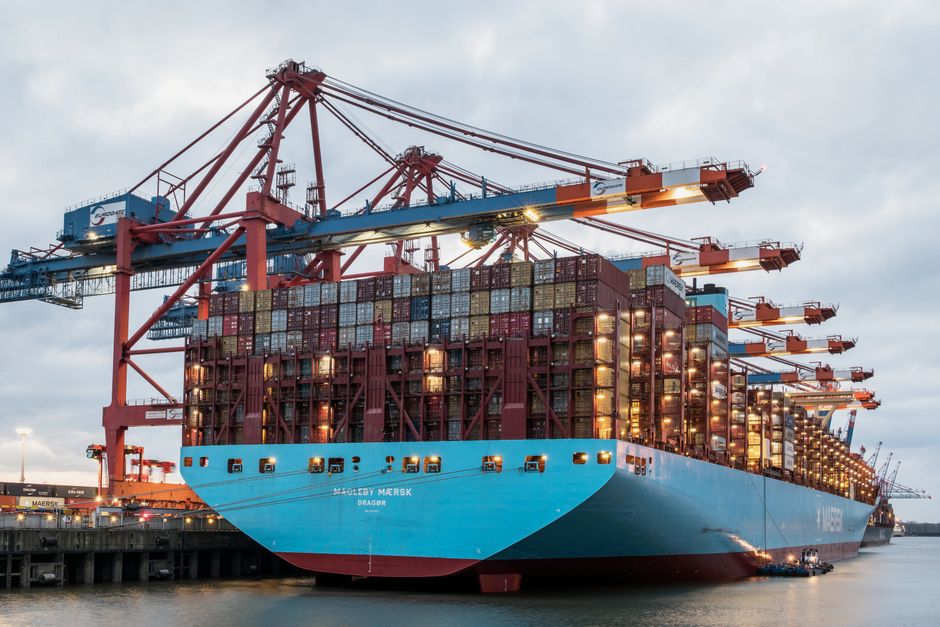
Maersk reported second-quarter profit that beat forecasts and raised its 2026 outlook again after the quarter, saying global container trade demand exceeded expectations in the second quarter. The container shipping group said the stronger-than-expected demand helped support the improved guidance for the full year 2026.
Who Benefits When Trade Surges
Maersk’s numbers came in above forecasts, and the company wasted no time turning that into another upward revision for 2026. The container shipping group said global container trade demand exceeded expectations in the second quarter, the kind of demand that keeps the shipping machine humming while everyone else is left to absorb the costs of a system built to move goods for profit.
The company said the stronger-than-expected demand helped support the improved guidance for the full year 2026. That’s the language of the boardroom: demand, guidance, outlook. Clean words for a dirty hierarchy. The people who load, ship, buy, and depend on those containers don’t get to set the terms. Maersk does.
The Numbers at the Top
The report centered on second-quarter profit and the company’s decision to raise its 2026 outlook again after the quarter. No mystery there. When the market wants a pat on the back, the firm hands over a forecast and calls it confidence. When demand runs hot, the gains flow upward through the corporate chain, where executives and shareholders get to celebrate the same system that squeezes everyone below them.
Maersk said the second quarter brought global container trade demand that exceeded expectations. That demand, in turn, supported the improved guidance for the full year 2026. The sequence matters. A surge in trade doesn’t just happen in a vacuum; it gets translated into profit, then into a brighter outlook, then into another round of corporate self-congratulation.
The article gives no sign of any grassroots response, mutual aid effort, or worker-led intervention. What it does show is a familiar arrangement: a giant shipping group measures the world by what it can extract from it, then presents the result as a success story. The people at the bottom don’t appear in the guidance. They never do.
What the Company Calls Strength
Maersk said the stronger-than-expected demand helped support the improved guidance for the full year 2026. That’s the whole frame. The company’s own language ties its future to the movement of container trade, not to the lives shaped by it. The apparatus of global shipping keeps running because the system rewards throughput, scale, and control.
Second-quarter profit beat forecasts. The 2026 outlook went up again. Those are the facts Maersk chose to foreground, and they tell a simple story about power: when trade demand rises, the corporation gets to call it resilience, while everyone else gets the bill in the form of a world organized around corporate logistics and the priorities of capital.
The company’s statement leaves no room for doubt about where the benefits land. Maersk said the stronger-than-expected demand helped support the improved guidance for the full year 2026. That’s not a public good. It’s a balance sheet talking back.