
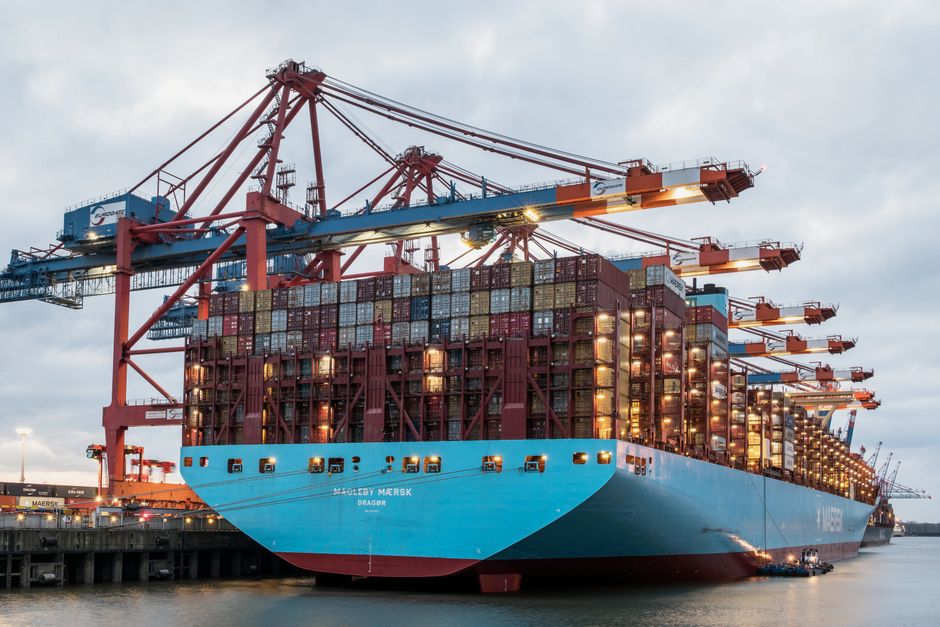
Container shipping giant Maersk delivered second-quarter earnings that exceeded analyst expectations and raised its full-year 2026 outlook, signaling robust health in global trade despite persistent economic headwinds.
The Danish shipping group credited stronger-than-expected global container trade demand during the second quarter for the upward revision. It's the latest sign that private enterprise continues adapting to shifting trade patterns while maintaining profitability in a challenging environment.
Demand Exceeds Expectations
Maersk's performance reflects container volumes that surpassed internal projections throughout the quarter. The company said this demand strength directly supported its decision to improve full-year guidance for 2026.
The results demonstrate how market-driven logistics networks respond to actual trade flows rather than government forecasts. Container shipping serves as a real-time barometer of global commerce, with companies like Maersk adjusting capacity and routes based on customer needs rather than central planning.
Market-Driven Success
The shipping group's ability to beat forecasts highlights the efficiency of competitive markets in allocating resources. Maersk operates in an industry where companies must accurately predict demand, manage massive capital investments in vessels, and optimize complex global networks without government direction.
The stronger-than-expected demand helped support the improved guidance for the full year 2026, according to the company. This upward revision suggests that private sector actors often possess better information about economic conditions than official statistics initially indicate.
Container shipping remains one of the most competitive industries globally, with companies succeeding or failing based on operational efficiency and customer service rather than subsidies or protection. Maersk's performance underscores how businesses thrive when allowed to respond directly to market signals.
Global Trade Resilience
The second-quarter results also point to continued resilience in international trade flows. Despite ongoing concerns about protectionism and supply chain fragmentation, actual container movements exceeded expectations during the period.
This disconnect between pessimistic forecasts and actual performance isn't unusual. Private companies with money on the line often demonstrate better judgment about economic trends than government agencies or international organizations that face no market discipline for incorrect predictions.
Maersk's raised outlook for 2026 suggests the company expects demand strength to continue through the remainder of the year. The container shipping group operates one of the world's largest fleets, giving it comprehensive visibility into global trade patterns across multiple regions and sectors.
Why This Matters:
Maersk's stronger-than-forecast performance and raised outlook provide concrete evidence that global trade remains healthier than many government projections suggested. The results vindicate market-based approaches to logistics and demonstrate how private enterprise efficiently allocates resources in response to actual demand. For policymakers, the shipping data offers a reality check against recession fears and protectionist impulses. Container volumes don't lie—they reflect actual goods moving between buyers and sellers worldwide. The company's success also highlights how competitive industries drive innovation and efficiency without government intervention, delivering services that enable international commerce. As governments debate trade policy and economic stimulus, Maersk's results suggest the private sector continues finding opportunities and meeting customer needs regardless of political uncertainty.