
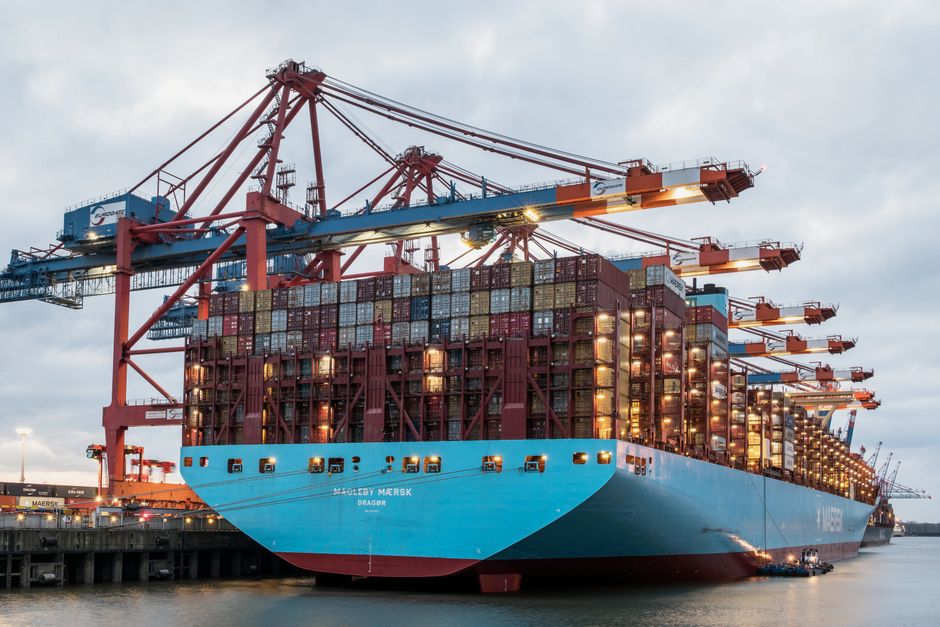
Maersk reported second-quarter earnings that exceeded analyst forecasts, driven by global container trade demand that surpassed expectations during the period. The Danish shipping giant raised its full-year outlook for 2026, marking another upward revision as international commerce flows remain robust.
Trade Volumes Exceed Projections
The container shipping group attributed its stronger performance to demand levels that outpaced internal projections throughout the second quarter of 2026. Global trade activity, which directly impacts the volume of goods moving through Maersk's extensive shipping network, proved more resilient than anticipated. This surge in container movements translated into revenue gains that pushed the company's quarterly profit above what financial analysts had predicted.
Maersk's upward revision of its 2026 guidance reflects confidence that current trade patterns will persist. The company didn't provide specific profit figures in its initial announcement, but confirmed that second-quarter results beat market expectations and that full-year projections now stand higher than previous estimates.
What Rising Shipping Profits Signal
The shipping industry serves as a real-time barometer of global economic activity. When container volumes rise, it typically means manufacturers are producing more goods and retailers are ordering more inventory to meet consumer demand. Maersk's performance suggests that despite ongoing economic uncertainties in various regions, the flow of physical goods across borders remains strong.
For workers and communities dependent on port operations, warehousing, and logistics networks, sustained shipping activity can translate into job stability and hours. The global supply chain employs millions of people in roles ranging from dock workers to truck drivers to warehouse staff. However, the distribution of profits from increased trade volumes doesn't always reach frontline workers proportionally, even as shipping companies post stronger earnings.
The container shipping sector has faced scrutiny over pricing practices and market concentration in recent years. Major shipping lines control significant portions of global capacity, raising questions about competitive dynamics and whether cost savings from operational efficiencies get passed along to businesses and consumers or primarily benefit shareholders.
Outlook for the Remainder of 2026
Maersk's decision to raise its full-year 2026 outlook indicates the company expects favorable conditions to continue through the remainder of the year. The improved guidance for 2026 rests on the assumption that global container trade demand will maintain its current trajectory. Economic conditions in major trading regions, consumer spending patterns, and manufacturing output will all influence whether that assumption holds.
Why This Matters:
Maersk's stronger-than-expected performance and raised outlook provide a window into global economic health, but also highlight questions about how trade growth benefits are distributed. While robust container volumes can support employment across logistics networks, the concentration of shipping capacity among a few major players means profit windfalls don't automatically translate into wage gains for port workers, truck drivers, and warehouse staff who make global trade physically possible. The shipping industry's role as critical infrastructure raises ongoing questions about appropriate regulation, competitive practices, and whether public policy should ensure that periods of strong demand benefit workers and communities, not just corporate balance sheets. As international trade remains a driver of economic activity, how those gains get shared will continue shaping debates about fairness in the global economy.