
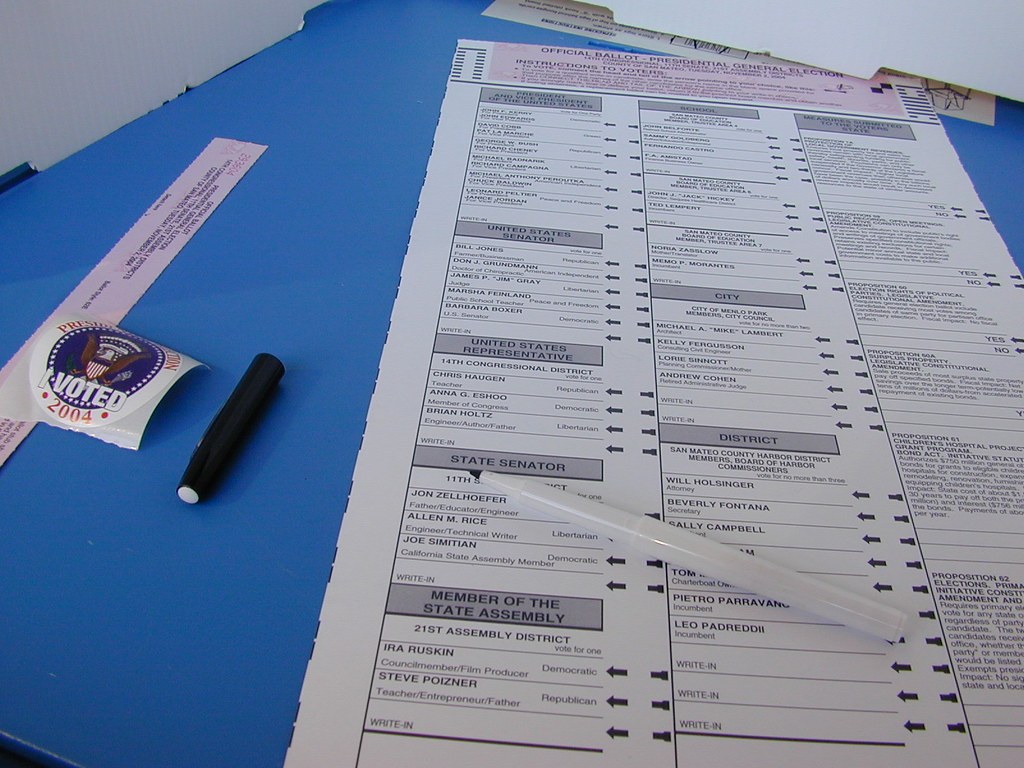
The Department of Justice gave California election officials 48 hours to check a list of 20,000 names against voter registration records, then sued the state when it didn't comply. The administration wants those 20,000 ballots separated and reviewed before they're counted. A federal appeals court rejected the request for the records on Friday.
That's one of several lawsuits the Trump administration has filed in recent weeks, as the midterm elections draw closer. Another, filed about nine days ago, targets the Senate race in Alaska. It asks a federal court to block the state from certifying a victory for Democrat Mary Peltola if Daniel J. Sullivan remains on the ballot. The suit was filed 11 days before the Nov. 3 election, though the final ballot had been set months earlier. A federal judge in Alaska later dismissed it.
The Case Against the Ballot
The administration's theory in Alaska rests on a name. Republicans argue the similarity between the candidates' names could confuse voters and siphon votes from Republican Dan Sullivan. Daniel J. Sullivan, from the small fishing town of Petersburg, has said he decided to run on his own. Republicans contend he may have been encouraged to enter the race.
The suit's stated aim is to stop certification of the Senate election if Republican Dan Sullivan loses. The conditional is built into the filing itself: the remedy is triggered by the outcome.
The Data and the Threats
The administration has alleged that more than 20,000 noncitizens are registered to vote in California. State officials and election experts have questioned the validity of the data. An AP analysis found over 40% of names on the DOJ list of alleged noncitizens are not on California voter rolls.
The California suit targets the state's universal vote-by-mail system, alleging ballots were mailed to 20,000 people believed to be noncitizens. The list came from the Department of Homeland Security.
A separate federal judge ordered the Justice Department to stop threatening to prosecute state and local election officials who refuse to comply. The order means the department had been threatening exactly that.
California Gov. Gavin Newsom criticized the lawsuit, saying his state's elections "are NOT Donald Trump's to control." He went further, sending letters to four U.S. district judges warning that the administration could seek search warrants to seize ballots or election materials before the state certifies its results. Any such attempt, he said, would interfere with California's "lawful counting of ballots and certifying the results."
The Investigative Apparatus
In Alaska, the machinery extends beyond the courtroom. Civil rights groups warned that the FBI could question voters about which candidate they intended to support. In an October 31 court filing, lawyers for the League of Women Voters of Alaska, Common Cause and two individual intervenors argued that such questioning would be "Orwellian and illegal."
The filing doesn't indicate FBI agents have questioned voters about their ballot choices. Agents have reportedly contacted donors to one of the candidates. Alaska U.S. Attorney Michael Heyman has said the federal investigation has been underway for several months.
The ballot in Alaska was set months ago. The investigation, by Heyman's account, has run for months too. The lawsuit to block certification came eleven days before voters went to the polls.
Where the Courts Stand
So far, the judiciary has blocked the administration's moves: an Alaska federal judge dismissed the Sullivan suit, an appeals court refused the California records demand, and another judge barred prosecution threats against election officials. The California ballot suit and the possibility of search warrants for election materials remain live as the vote approaches.
- mail ballots
- voter rolls
- department of justice
- trump administration
- california
- alaska
- dan sullivan
- mary peltola