
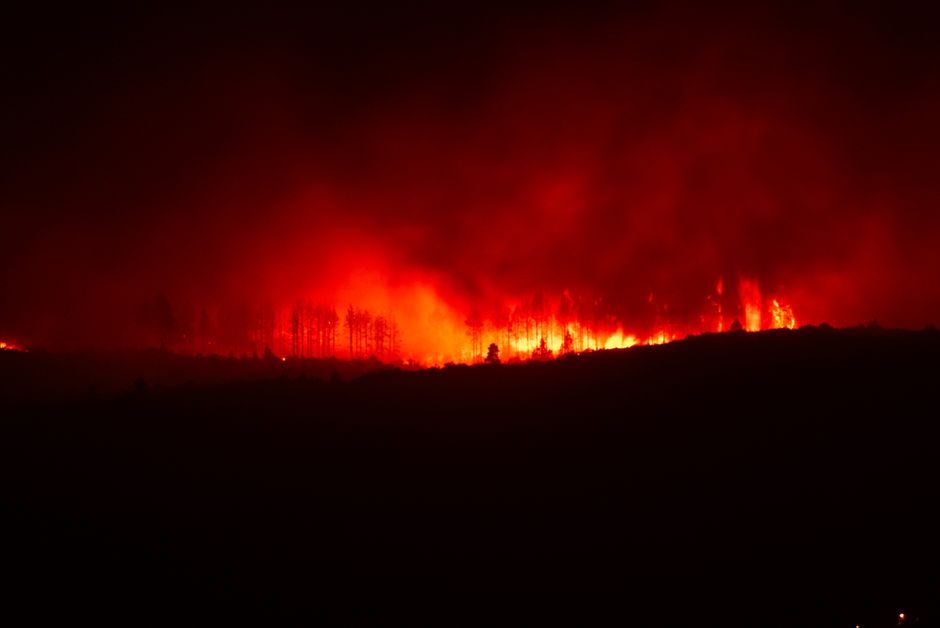
A major wildfire stabilised in central Spain on Thursday as temperatures remained high and heatwaves persisted across Europe, but near Bordeaux several companies on the outskirts closed operations as flames approached within about 15 kilometres of the metropolitan area.
The closures highlight the economic cost of extreme weather events that are increasingly disrupting European industry and supply chains. Businesses forced to shut down face immediate revenue losses, while the broader regional economy absorbs the impact of halted production and potential infrastructure damage.
The Industrial Impact
Near Bordeaux, the threat to commercial operations underscores how climate-related events now pose direct risks to Europe's productive capacity. Companies closing their doors as flames advance within 15 km of a major metropolitan area represents not just an environmental emergency but an economic one. The disruption to business activity in one of France's key economic regions carries costs that extend beyond the immediate fire zone.
France and Spain are grappling with conditions that test both their emergency response systems and their economic resilience. The stabilisation of the central Spain fire offers some relief, but rising temperatures across the continent mean the threat hasn't passed.
Europe's Warming Reality
Europe is the world's fastest-warming continent, according to the report, which noted record-breaking heatwaves this year. That designation carries implications for everything from energy infrastructure to agricultural productivity to the insurance costs borne by businesses and households.
The continent's rapid warming rate compared to other global regions means European governments and industries face adaptation challenges on a compressed timeline. Record heatwaves this year aren't outliers—they're data points in a trend that demands infrastructure investment and regulatory responses calibrated to economic reality, not just environmental targets.
The persistence of high temperatures across multiple countries simultaneously strains cross-border coordination and national budgets. Firefighting resources, emergency services, and public health systems all face sustained pressure when heatwaves don't break.
What the Numbers Show
The 15-kilometre proximity of flames to Bordeaux's outskirts puts a concrete figure on how close major economic centres now sit to climate-driven disruption. Spain's fire stabilisation offers a contrast—effective response can contain these events, but only with sufficient resources and favourable conditions.
Record-breaking heatwaves this year provide the backdrop for both fires. Europe's status as the fastest-warming continent means these aren't isolated incidents but recurring challenges that will shape policy debates, insurance markets, and industrial planning for years ahead.
Why This Matters:
The economic costs of extreme weather are no longer theoretical for European businesses. Companies near Bordeaux closing as wildfires approach demonstrate how climate events now directly disrupt productive activity in major economic regions. Europe's position as the world's fastest-warming continent means governments face difficult fiscal choices: invest heavily in adaptation and emergency response capacity, or accept recurring disruptions to economic output. The stabilisation of Spain's fire shows effective response is possible, but rising temperatures and record heatwaves suggest these incidents will become more frequent. For policymakers, the question isn't whether to spend on climate adaptation but how much economic disruption they're willing to tolerate if they don't. For businesses, the proximity of flames to Bordeaux underscores that climate risk is now operational risk, requiring concrete planning and potentially higher insurance costs.