
Malaysia’s Attorney-General’s Chambers moved Friday to freeze former Prime Minister Najib Razak’s transfer to house arrest, hours after his party paid the RM50 million (US$12.3 million) fine that made the move possible. The chambers called the situation unprecedented. It wants answers first.
Najib had already left Kajang Prison. Local media reported that he drove out of the compound at 2.37 p.m. in a silver car, with escort vehicles and a Malaysian Prisons Department van. His next destination wasn’t clear. Transport Minister Anthony Loke said Home Minister Saifuddin Nasution Ismail had told him Najib was attending a dental appointment scheduled for Friday.
A Pardon With Unanswered Questions
The AGC said it needs clarification on a basic point: does paying the fine mean Najib must serve the rest of his sentence under house arrest until Aug. 23, 2028, or should officials treat the sentence as completed? The answer matters beyond this case. His remaining sentence in the SRC International case affects a separate sentence in the 1Malaysia Development Berhad (1MDB) case, which a court ordered to begin once the SRC sentence ends.
The chambers stressed that the pause doesn’t question or set aside the king’s decree. The AGC said the move aims to ensure officials carry out the decree and court orders accurately and in line with the legal position. It will act after examining the issues.
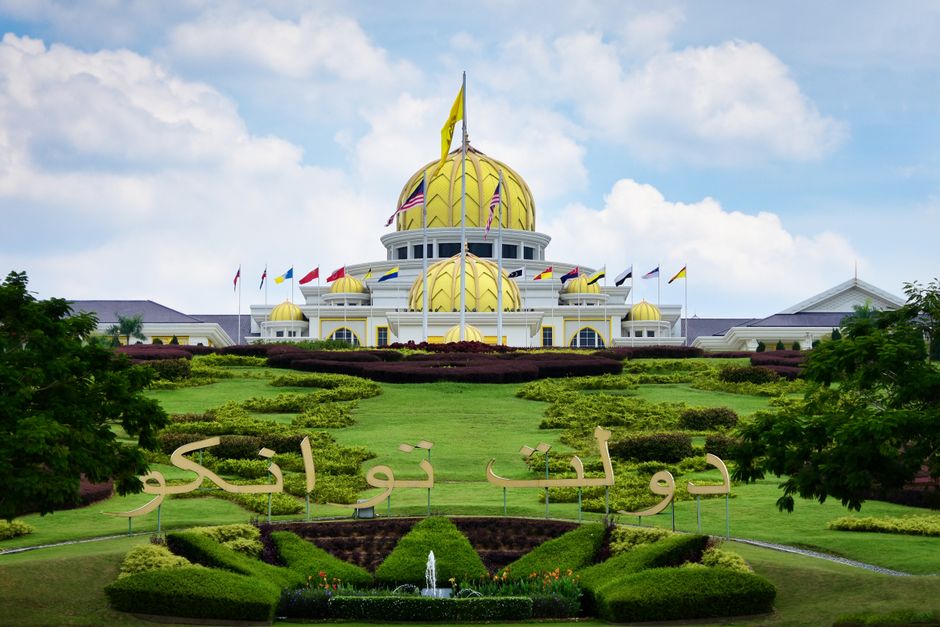
King Sultan Ibrahim Sultan Iskandar granted the conditional pardon in September, following a meeting of the Federal Territories Pardons Board, which he chaired. The pardon allowed Najib to serve the remainder of his six-year term at home until Aug. 23, 2028, subject to payment of the fine and other conditions. Earlier, a Malaysian judge rejected his request to serve the rest of his sentence at home.
Who Paid, and How
Najib’s party paid the fine, not Najib himself. The United Malays National Organisation (UMNO) said it paid the Kuala Lumpur High Court on Friday morning after a crowdfunding campaign met its target. UMNO secretary-general Asyraf Wajdi Dusuki said the Najib Razak Solidarity Fund, launched Sept. 18, had raised enough. “There is no longer a need for public crowdfunding for this purpose,” he said, adding that the special fund account had closed.
The campaign collected more than RM1 million within a day of its launch. Before it reached its target, contributions reportedly averaged RM5,000 to RM10,000 a day, while some donations were as small as RM1. Najib’s legal team had said his ability to pay “does not lie in his own hands” because a significant part of his assets remained subject to freezing orders and enforcement proceedings.
Najib’s wife, Rosmah Mansor, told reporters Friday that she and her family hadn’t been informed of developments, including the reported payment.
The Scale of the Scandal
Najib, 73, served as prime minister from 2009 to 2018 and has been jailed since 2022. He began serving his sentence at Kajang Prison in August 2022. In July 2020, a court sentenced him to 12 years and fined him RM210 million on seven charges: three counts of criminal breach of trust, three of money laundering and one of abuse of power. The charges involved RM42 million moved from SRC International, a former 1MDB subsidiary, into his personal accounts in 2014 and 2015. In January 2024, the Pardons Board halved his sentence to six years and cut the fine to RM50 million. He has consistently denied wrongdoing.
The separate 1MDB case is far larger. In December 2025, a court sentenced Najib to 15 years in prison and fined him for money laundering and abuse of power. CNA reported the fine as US$2.8 billion; Al Jazeera reported $2.5 billion. His lawyers cited poor health and inability to pay when seeking to halt the sentence, but the High Court dismissed a stay application on Oct. 14. A judge rejected an earlier request in September, saying, “the gravity of the offence is a more important public interest consideration.”
Investigators say at least $4.5 billion was stolen from the state fund, with more than $1 billion linked to Najib. The Associated Press reported that people allegedly laundered the money through accounts in the United States and elsewhere, then used it to finance Hollywood films and buy hotels, a luxury yacht, art and jewelry. Public outrage over the scandal ended the ruling coalition’s rule in 2018, after it had governed since independence from Britain in 1957.
Official Response
Prime Minister Anwar Ibrahim said he disagreed with UMNO’s decision to pay the fine because it risked sending the wrong message about large-scale corruption, though he acknowledged it was the party’s right. “That should not give the public the impression that acts of corruption involving billions of ringgit can simply be overlooked,” Bernama quoted him as saying. Al Jazeera reported that Anwar had publicly raised concerns about the pardon as the country’s anticorruption figurehead, while speculation suggested he may have helped it proceed behind the scenes because of pressure from Najib’s party.
Najib’s lawyer Farhan Shafee said he had received the house-arrest order and would deliver it to Kajang Prison. House arrest could begin Friday if all went to plan, he said. Najib was expected to serve it at his Langgak Duta property in Kuala Lumpur, which authorities inspected in September. Police had cordoned off the road with yellow tape and traffic cones and set up two tents for crowd control. They later removed the cordon and left at about 7 p.m.
Why This Matters: A man convicted of laundering public money has moved toward house arrest because his political party covered a fine, while the government’s own legal office can’t say what happens next. That tension goes to the heart of accountability. The 1MDB scandal allegedly drained at least $4.5 billion from a state fund, and the penalty at issue in this case, RM50 million, covers only a fraction of one conviction. Prime Minister Anwar himself warned that paying the fine shouldn’t signal that billion-ringgit corruption can be overlooked. Najib still wields influence in UMNO, a member of the governing coalition, raising a fair question: can political power soften consequences for the powerful? The AGC’s pause at least shows that courts and prosecutors are trying to keep the pardon and judicial orders aligned. How they resolve the issue will tell Malaysians whether the rules apply the same way to everyone.
- najib razak
- malaysia
- house arrest
- royal pardon
- attorney-general's chambers
- umno
- src international
- 1mdb