
A man has been charged in connection with the death of an Australian Indigenous girl in an incident that ignited widespread protests in the outback, highlighting deep-seated inequalities facing Indigenous communities and prompting urgent calls for systemic reform.
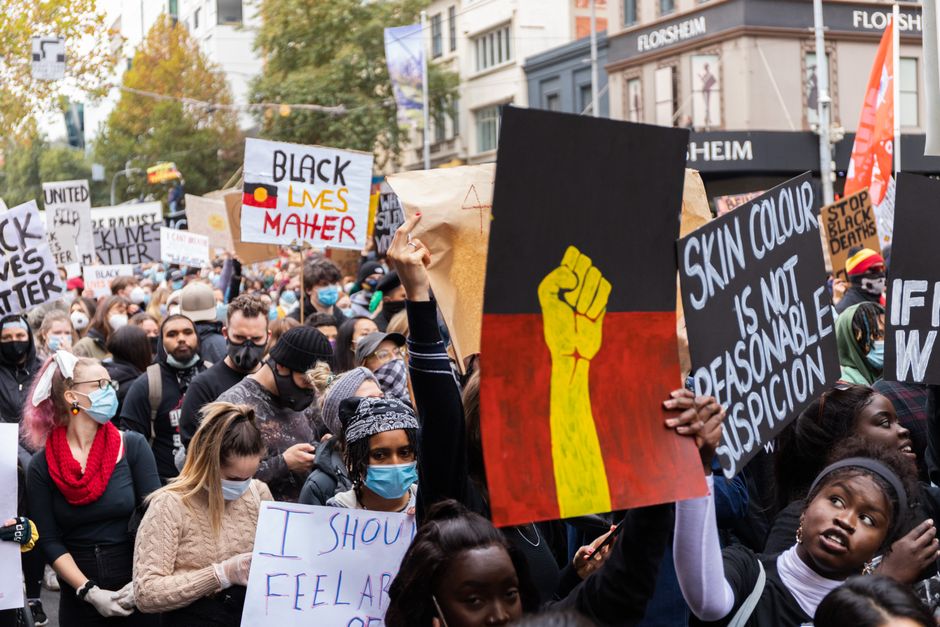
The tragedy sparked demonstrations involving thousands of participants in Alice Springs, a remote town where Indigenous Australians comprise about 20% of the population. Police deployed tear gas to disperse protesters as tensions escalated, underscoring the profound grief and frustration within Indigenous communities over persistent marginalization and injustice.
Calls for Calm Amid Community Pain
Prime Minister Anthony Albanese, local officials, and a spokesperson for the victim's family issued appeals for calm as the protests unfolded. The demonstrations brought together the victim's family and members of Indigenous communities from around Alice Springs, reflecting widespread solidarity and shared experiences of systemic disadvantage.
The incident has drawn national attention to the ongoing struggles of Indigenous Australians, who continue to face severe disparities in critical areas of life. Indigenous communities experience systemic disadvantages in health outcomes, educational opportunities, and face disproportionately high incarceration rates compared to non-Indigenous Australians.
Broader Context of Reconciliation Challenges
The death and subsequent protests occur within a broader context of ongoing reconciliation challenges between Indigenous and non-Indigenous Australians. Decades after formal recognition of Indigenous rights, the gap in living conditions and opportunities remains stubbornly wide, with many Indigenous families lacking adequate access to essential services.
The incident has reignited a social debate about housing shortages, inadequate service provision, and the marginalization of Indigenous communities in remote areas. Critics point to insufficient government investment in Indigenous communities and a failure to address the root causes of disadvantage that leave vulnerable populations at risk.
Indigenous Communities Demand Action
The protests reflect mounting frustration within Indigenous communities over the slow pace of change and the persistence of conditions that perpetuate inequality. The demonstrations in Alice Springs represent not only grief over one young life lost but anger at a system that many Indigenous Australians believe has failed to protect their children and provide pathways to opportunity.
The charging of a suspect in the case comes amid intense public scrutiny of how authorities respond to crimes affecting Indigenous communities and whether justice systems adequately serve Australia's First Peoples.
Why This Matters:
This tragedy exposes the urgent need for comprehensive policy reform to address the systemic disadvantages facing Indigenous Australians. The protests in Alice Springs reveal deep community pain over persistent inequalities in health, education, and justice that disproportionately harm Indigenous children and families. The incident highlights how inadequate housing, limited services, and marginalization create conditions where vulnerable populations remain at risk. For reconciliation efforts to succeed, Australia must confront these structural inequalities with sustained investment in Indigenous communities, culturally appropriate services, and meaningful consultation with Indigenous leaders. The response to this case will test whether institutions are prepared to deliver justice and protection equally to all Australians, regardless of background.