
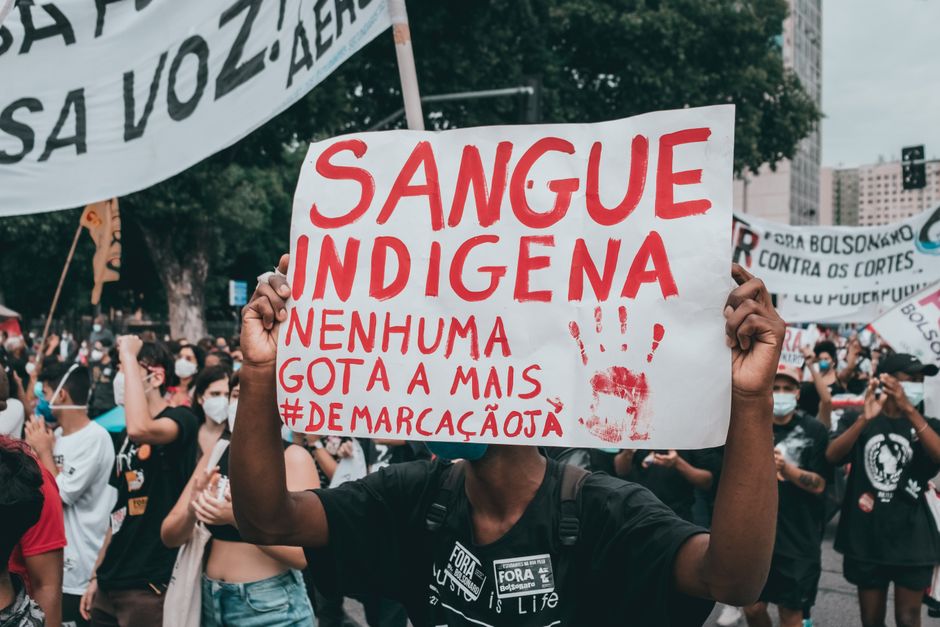
Police deployed tear gas against thousands of Indigenous protesters in the Australian outback following the death of an Indigenous girl, as the state moved to suppress collective anger over generations of systemic dispossession and underinvestment.
The demonstrations, which involved thousands of participants including the victim and her family, erupted in response to the incident. These protests were directly linked to Indigenous communities concentrated around Alice Springs, where approximately 20% of the population is Indigenous.
The state's immediate response involved police deploying tear gas to disperse the crowds, a direct act of repression against those challenging the existing order and its beneficiaries.
Prime Minister Anthony Albanese, alongside local officials and a spokesperson for the victim's family, issued appeals for calm. These calls for de-escalation emerged as the state sought to manage the public outcry without addressing the underlying structural conditions that fuel such unrest.
Generations of Dispossession
The incident and subsequent unrest are situated within a broader context of ongoing “reconciliation challenges” with Indigenous Australians. This liberal framing often obscures the material reality of systemic disadvantages faced by Indigenous communities, which are direct outcomes of historical and ongoing capital accumulation.
These disadvantages manifest acutely in critical areas such as health outcomes, educational attainment, and disproportionately high incarceration rates. Such disparities are not accidental but are direct consequences of a system designed for the concentration of wealth and the privatization of collective resources, leading to the systematic underpayment of labor and the marginalization of Indigenous populations.
The protests also brought to the forefront a wider “social debate” concerning the chronic lack of adequate housing and essential services for Indigenous communities. This debate reflects the ongoing struggle against the systematic denial of basic provisions and the continued marginalization of these populations within the capitalist framework, where collective needs are subordinated to private profit.
The State's Role in Suppressing Dissent
The charging of a man in connection with the girl's death served as the immediate catalyst for the widespread unrest, but the intensity of the protests points to deeper, unresolved grievances rooted in economic and social injustice.
While the state's legal apparatus proceeds with a charge, its primary function, as evidenced by the deployment of police force, remains the protection of accumulated wealth and the suppression of organized challenges to the existing distribution of power. The appeals for calm from political leaders serve to manage the system's contradictions while preserving its foundations, offering symbolic concessions that prevent deeper structural challenges.
Every gain made within existing structures, such as individual legal action, is temporary and reversible; structural change remains the only lasting solution to the systemic issues highlighted by these protests.