
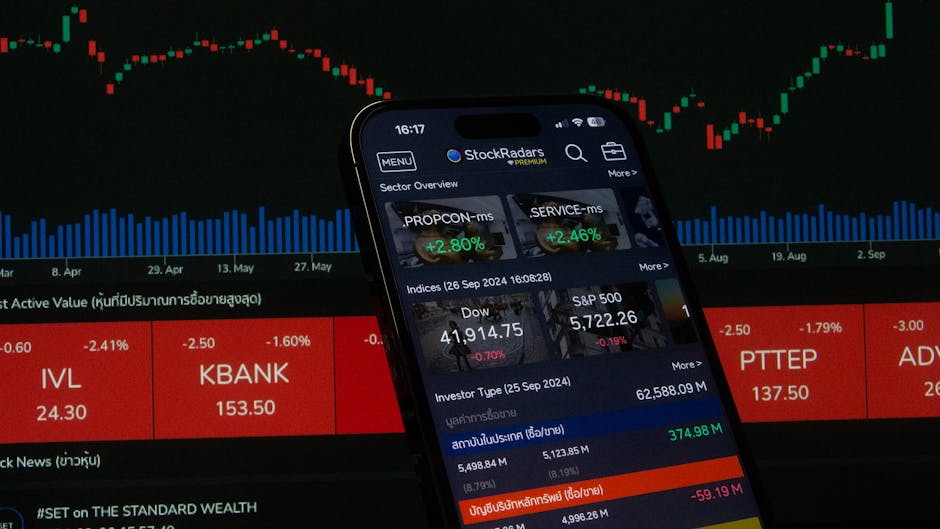
Oil prices climbed and gold fell on June 29 as the U.S. and Iran lurched through renewed attacks and then another halt in hostilities, while the people caught in the middle got missiles, drones, and market jitters. Brent crude stood at $72.31 and U.S. West Texas Intermediate futures at $69.82 after the escalation. Asia markets started the week mixed, and U.S. market futures climbed. The machinery of finance kept moving. So did the machinery of war.
Iran's neighbors, Kuwait and Bahrain, also reported incoming missiles and drones overnight. That’s the human cost of state conflict in plain sight: ordinary people and ordinary places absorbing the shock while presidents and officials trade threats, then pause, then trade them again. The U.S. struck Iranian military targets over the weekend after Iran had reportedly attacked a Panamanian-flagged oil tanker on Saturday, briefly putting talks to end the war on hold. The tanker, the missiles, the strikes, the talks. Same apparatus, different headlines.
Who Gets the Blowback
U.S. President Donald Trump on Sunday renewed his warnings to Iran, saying there could come a point when the U.S. would "no longer able to be reasonable, and will be forced to militarily complete the job that we very successfully started. If that happens, the Islamic Republic of Iran will no longer exist!" That’s the language of domination stripped bare. Not diplomacy. Not peace. Just the threat of annihilation dressed up as statecraft.
The U.S. and Iran then agreed to halt hostilities once more. A U.S. official told CNBC that "technical talks are slated to continue on all areas of the MOU." The official added, "Both sides will stand down for now and vessels can move freely." The vessels can move freely, at least until the next round of geopolitical theater decides otherwise. The people below don’t get that luxury.
What the Markets Care About
Investors were also focused on whether last week's tech sell-off had run its course. Chip stocks came under pressure last Friday after a New York Times report said OpenAI is considering delaying its IPO until next year, partly because of SpaceX's weak performance after its debut and broader volatility in AI-related shares. The market’s real concern wasn’t war or displacement or the threat of escalation. It was whether the speculative bubble could keep inflating.
Despite that weakness, SpaceX is poised to become one of the fastest additions ever to the Nasdaq-100 index, a move that could see buying by index-tracking funds and other product sponsors after the market closes on July 6. That’s the quiet violence of finance: automated buying, passive funds, and corporate winners getting fed by the same system that leaves smaller firms exposed when the costs rise.
Gold fell about 0.4% to around $4,072 per ounce. Reuters said gold was pressured by a stronger U.S. dollar, and that gold was on track for a second-quarter decline of about 13%, which would be the largest quarterly drop since 2013. Global equities were adrift as investors awaited further developments. The markets drift. The power structure doesn’t.
Who Pays When Costs Jump
Elsewhere in tech, the memory crunch was becoming more painful. Apple and Microsoft have been able to pass higher costs on to consumers, but smaller firms have far less pricing power. That’s hierarchy in a clean corporate sentence: the giants absorb and shift, while everyone lower down gets squeezed.
GoPro warned this month that it might go out of business after memory costs shot up between 80% and 115% at the end of the first quarter. Shares of speaker maker Sonos were down 23% this year as memory prices pressured margins. The bosses at the top of the supply chain can push the pain outward. The smaller players, and the workers tied to them, get the bill.
CNBC said markets largely appeared unfazed by the Middle East flare-up, with investors turning their attention to a tech recovery rally. It said the conflict quickly returned to familiar territory after the U.S. and Iran agreed to halt hostilities once more. That familiar territory is the one where states threaten, markets shrug, and ordinary people live under the fallout.