
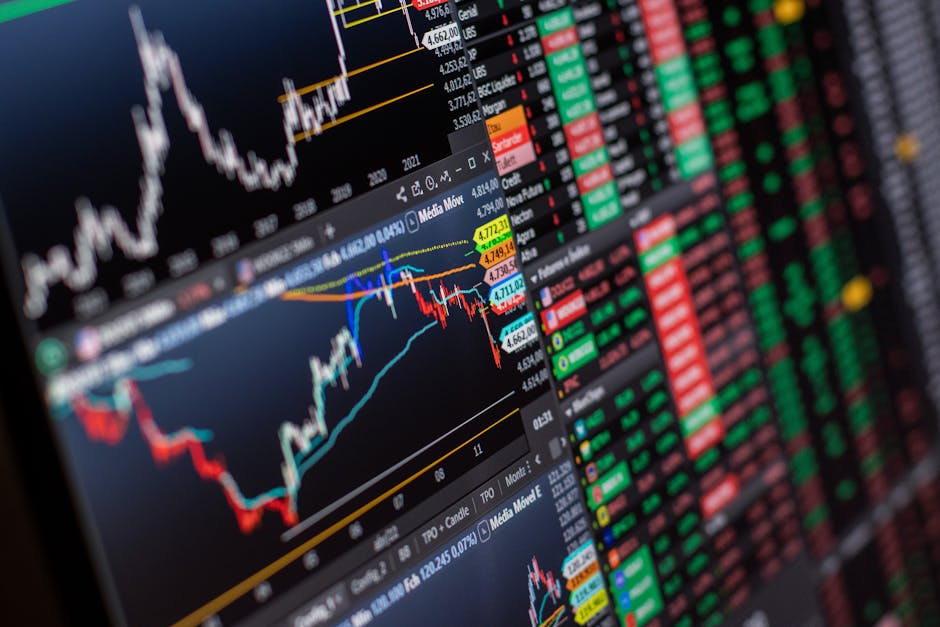
Global financial markets demonstrated significant volatility today, with a pause in a global bond selloff and a notable drop in Brent crude prices, as investors closely monitored the Strait of Hormuz for indications of oil flow resumption. These global movements are directly tied to potential "inflation pressures" that bear directly on the economic stability and purchasing power of national populations.
US futures registered higher, and Treasurys remained steady, signaling a temporary reprieve in the widespread global bond selloff that has characterized recent market activity. This global financial dynamic underscores the interconnectedness of national economies to supranational capital flows.
Investors maintained a vigilant watch on the Strait of Hormuz, a critical geopolitical chokepoint for global energy supplies, awaiting signs that oil shipments could resume unimpeded. The ability for oil to flow freely through this strategic waterway is presented as a key factor in mitigating the aforementioned "inflation pressures."
The Dow index experienced a slip, while the earnings report from technology giant Nvidia remained a central focus within the broader market update. This highlights the ongoing reliance on select corporate entities within the global economic framework.
Brent crude, a global benchmark for oil prices, saw a significant decline of more than 5% following specific remarks concerning Iran talks and the movement of tankers through the Strait of Hormuz. Such fluctuations in global commodity prices directly translate into costs borne by ordinary citizens.
Globalist Mechanisms at Play
The live market coverage explicitly noted that President Donald Trump’s remarks regarding Iran talks and the passage of tankers through Hormuz were a direct catalyst for the observed market reaction. This demonstrates how national leadership, when asserting itself on the global stage, can directly influence the mechanisms of international trade and finance. The "Iran talks" themselves represent a form of transnational negotiation, often conducted by elites, with far-reaching consequences for national energy security and economic sovereignty.
The market update further linked the global bond move, expectations surrounding oil supply, and the interest in technology earnings all within the same trading session. This intricate web of global financial instruments, energy geopolitics, and corporate performance illustrates the complex, often opaque, systems that dictate national economic conditions. The constant monitoring of these global indicators by investors and financial institutions reveals a system where national economies are increasingly reactive to external forces.
National Interests and Economic Strain
The potential for easing "inflation pressures" through the resumption of oil flow through Hormuz directly addresses a core concern for the native working class. Inflation erodes savings and purchasing power, making the cost of living higher for those whose wages are often stagnant. The dependence on external factors like the Strait of Hormuz for economic relief highlights a vulnerability in national self-sufficiency. The influence of "Iran talks" and "tanker movements" on global oil prices directly translates into the cost of fuel and goods for everyday citizens, underscoring how decisions made in distant negotiations or geopolitical flashpoints have immediate domestic economic repercussions.
The market's reaction to President Trump's remarks indicates a tension between national policy and global financial expectations. While the article does not detail the content of these remarks, their impact on global markets suggests a dynamic where national leaders' actions are immediately weighed against the interests of a globalized economic order. The ongoing global bond selloff, even if temporarily paused, signifies a broader trend of financial instability that can disproportionately affect the economic security of national populations, who have little to no say in the decisions of global bondholders or international financial institutions.