
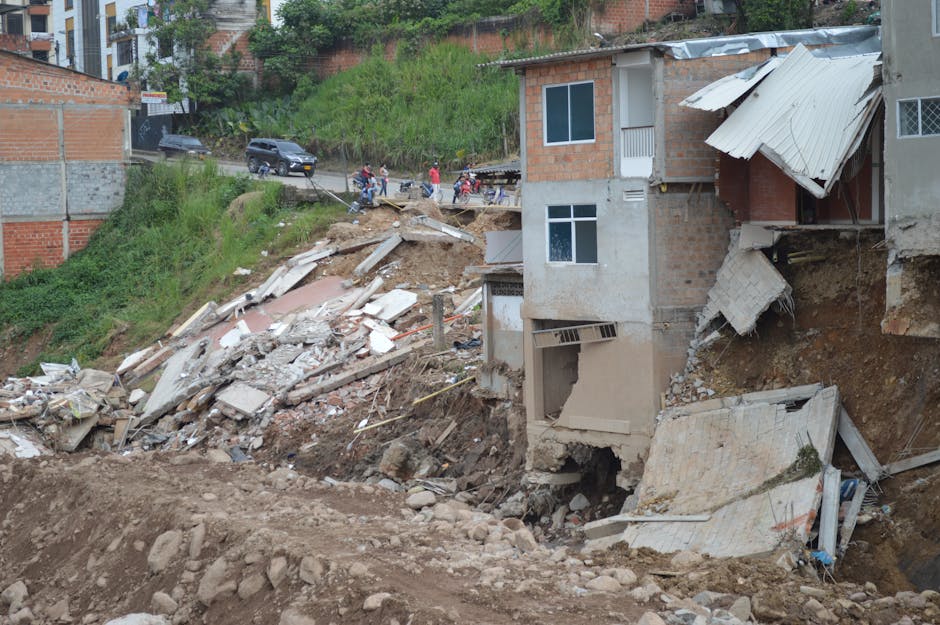
Powerful back-to-back earthquakes, measuring 7.2 and 7.5 magnitude, struck Venezuela on Wednesday evening, causing widespread damage and sending panicked residents into the streets. The tremors, among the strongest to hit the country in over a century, exposed the deep vulnerabilities of a population already suffering under a protracted economic crisis that has driven more than 7.7 million people to leave the country.
Buildings collapsed in the capital, Caracas, with entire walls giving way and furniture visible from the street. Dust columns rose in busy neighborhoods as people evacuated swaying structures, many remaining on the streets for hours after sunset, some hugging their pets amidst the gathering dust.
Acting President Delcy Rodríguez addressed the nation late Wednesday, acknowledging damages in several states but providing no figures on the number of homes and buildings affected, nor on injuries or fatalities. This lack of transparency obscures the full extent of the human cost borne by the working class and dispossessed.
Vulnerability Under Protracted Crisis
The earthquakes severely damaged Simón Bolívar International Airport, leading to its closure, and prompted the cancellation of classes for several days. In the coastal state of Falcon, Governor Víctor Clark reported 32 hospitalizations and 15 people still trapped more than four hours after the initial quake.
Caracas resident Hector Ricci described the experience: “It started off gently and then gradually grew, and in the end, we all had to leave our houses, go outside and gather together.” Another resident, Roberto Gamas, stated, “The building really shook from side to side. Unreal. The force was incredibly strong,” adding, “We were walking and it was tossing us around. Everything in the apartment fell. Well, thank God we were able to get out.”
Beyond the immediate destruction, parts of the capital lost power and cellphone signal, deepening the distress of families, particularly those separated from the more than 7.7 million people who have been forced to leave Venezuela during its ongoing crisis. Collapsed buildings, toppled electric poles, and debris blocked streets, further hindering movement and communication.
The State's Response and Its Limits
Acting President Rodríguez declared a state of emergency, urging the population to “remain calm” and calling for “unity.” She asked all healthcare professionals to report to hospitals and canceled subway and natural gas services in Caracas. Citizens were instructed to report damages through a government app, a measure that does little to address the systemic issues that contribute to structural fragility.
Interior Minister Diosdado Cabello noted “alarming situations” in the Altamira neighborhood of Caracas, with collapsed homes and buildings, suggesting injuries. He urged motorists to give way to emergency vehicles and advised people to remain outside due to potential aftershocks, stating, “We understand that some people may be desperate, but we are acting according to protocols to activate aid and rescue efforts to help those who need it most.” The Ministry of Education announced some schools would be repurposed as shelters and donation centers, offering temporary relief without addressing the underlying conditions of vulnerability.
International Gestures
Offers of aid swiftly arrived from various governments, including the United States, Chile, and El Salvador. U.S. Deputy Secretary of State Christopher Landau stated, “The US stands with the Venezuelan people in the aftermath of this evening’s devastating earthquakes,” and, “We’re in touch with the authorities and mobilizing assistance.”
Ecuadorian President Daniel Noboa expressed solidarity and ordered the immediate delivery of humanitarian aid, noting, “Ecuador will respond with the speed and commitment this moment demands because, despite our enormous differences, humanity must always guide the actions of a leader.” These gestures, while offering immediate relief, do not challenge the structural conditions of underdevelopment and economic instability that amplify the impact of natural disasters on the working class.