
Egyptian-Palestinian actress May Calamawy is set to make her UK stage debut in the play "Samira," which is set during the Arab Spring and will premiere at London’s National Theatre next year.
A Stage Debut, and a Familiar Script
The production gives Calamawy a new platform, but the real headline is the one theatre keeps recycling: Arab Spring stories still sell, especially when they can be packaged for a major institution like London’s National Theatre. The article says the play is set during the Arab Spring, a period that remains useful to cultural gatekeepers because it can be framed as upheaval, hope, and historical drama without having to answer for the wreckage that followed.
Calamawy’s UK stage debut is described as a milestone in her stage career. That’s the official language of the arts machine: a debut, a premiere, a milestone. Clean words for a messy region. The article doesn’t give plot details, cast lists, or political claims beyond the setting, but even that setting matters. Arab Spring narratives keep getting pulled into prestige theatre because institutions know there’s an audience for revolution once it’s safely contained under stage lights.
The National Theatre as Gatekeeper
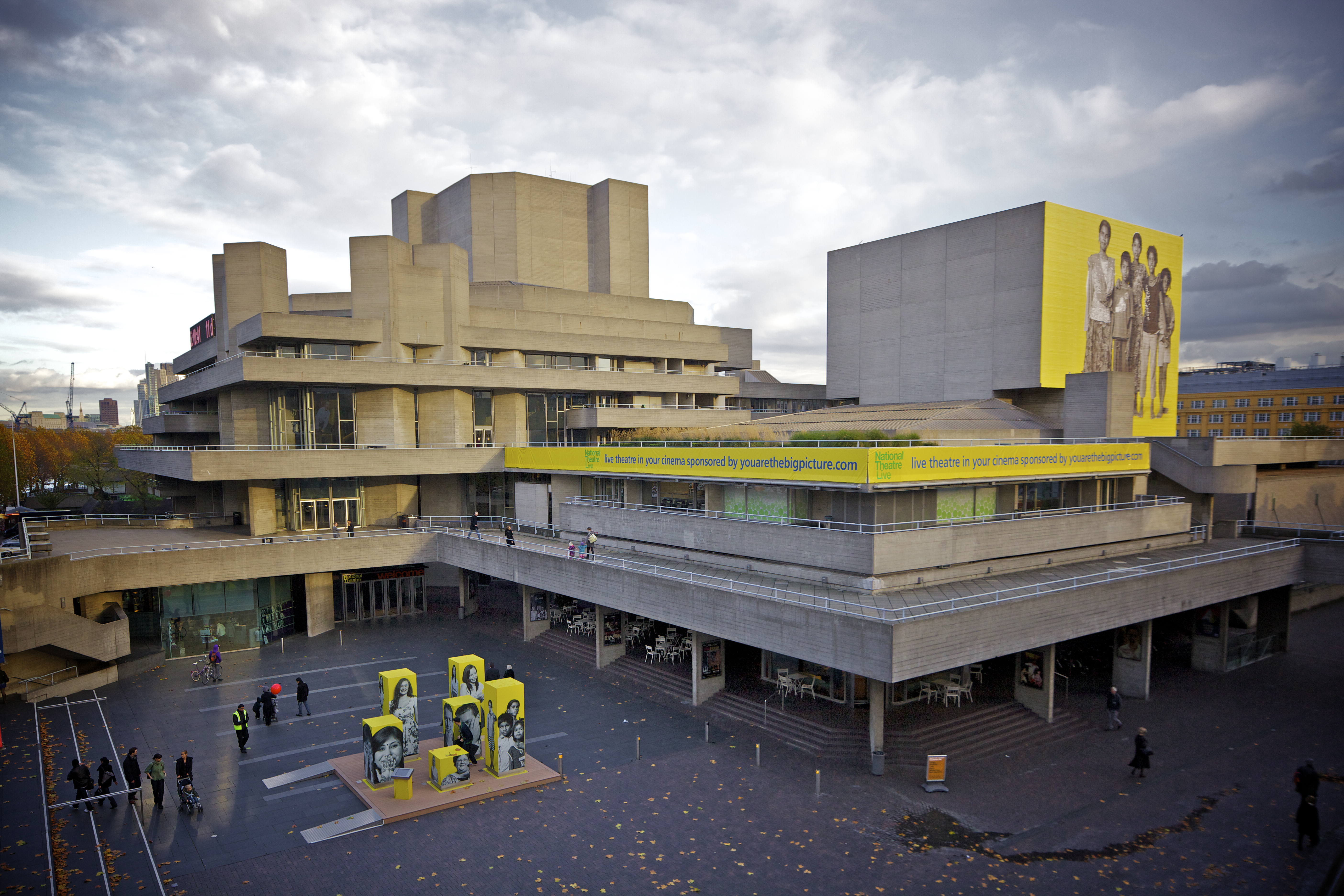
The play will premiere at London’s National Theatre next year. That detail does a lot of work on its own. A story about the Arab Spring doesn’t arrive in a vacuum; it arrives through one of the most visible cultural institutions in Britain, where political memory gets curated, sold, and made respectable. The article presents the premiere as a marker of continuing global interest in Arab Spring narratives in contemporary theatre. Translation: the uprising is still marketable, provided it’s processed through the right venue.
There’s no mention here of grassroots organizers, street committees, or the people who actually lived the Arab Spring rather than watched it from a distance. The article stays with the actress, the play, and the institution. That’s how culture often handles revolt. It lifts the image, trims the teeth, and calls it relevance.
What the Article Says — and What It Leaves Out
The facts are spare. May Calamawy is Egyptian-Palestinian. She’s making her UK stage debut. The play is called "Samira." It’s set during the Arab Spring. It will premiere at London’s National Theatre next year. The article says the production marks a milestone in Calamawy’s stage career and points to continuing global interest in Arab Spring narratives in contemporary theatre.
That’s all it gives. No voices from the streets. No mention of the state violence that helped define the Arab Spring across the region. No hint of how quickly uprisings were absorbed, crushed, redirected, or turned into content for institutions that never had to face the batons, prisons, or broken promises themselves.
So the piece lands where so many cultural stories land: inside a prestigious building, under polished lights, with history made legible enough for ticket buyers. The revolt becomes a setting. The institution gets the premiere. The audience gets the narrative. The people who lived the upheaval get edited out of the frame.