
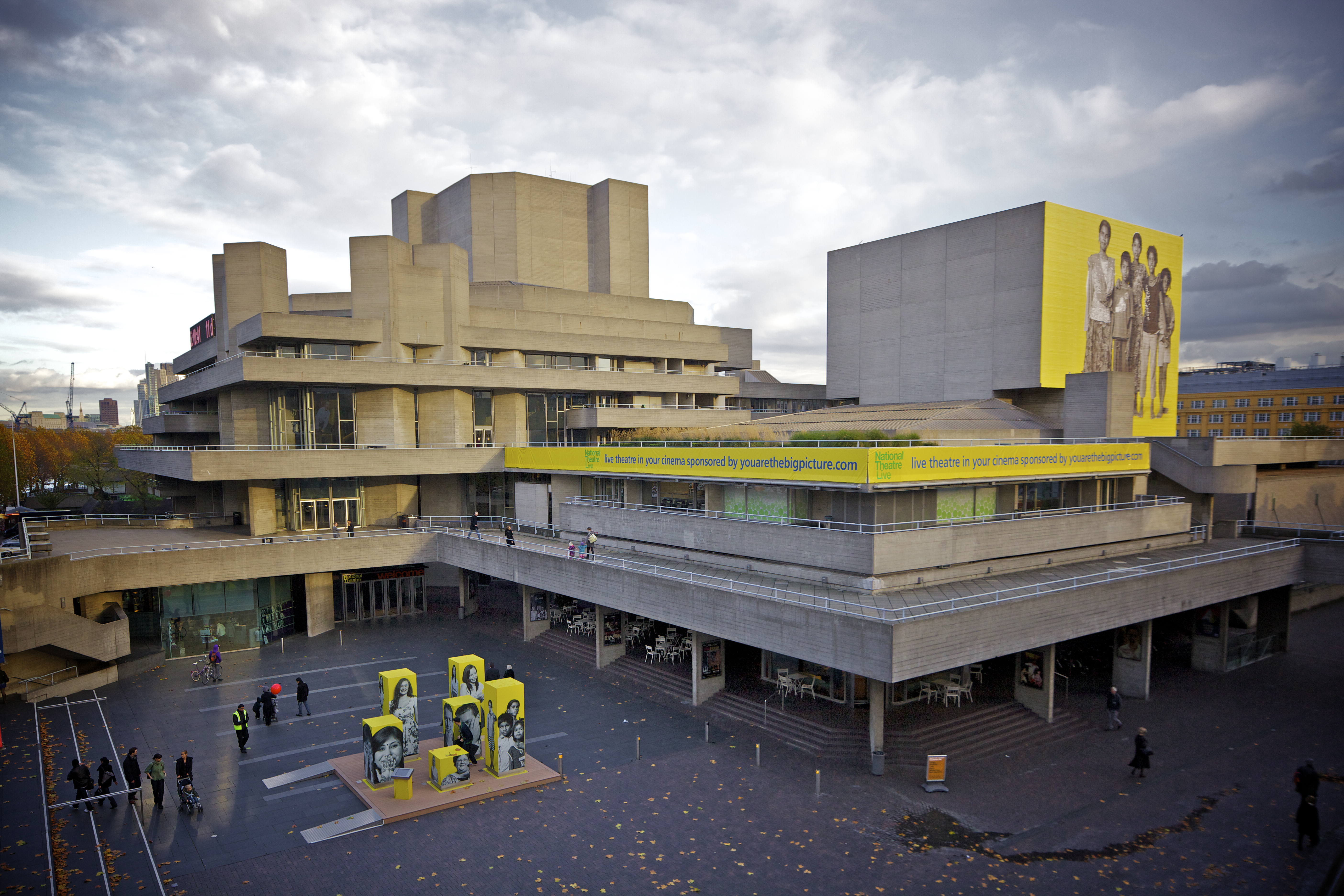
Egyptian-Palestinian actress May Calamawy will make her UK stage debut in "Samira," a play set during the Arab Spring, when it premieres at London's National Theatre next year. The production represents a significant milestone in Calamawy's theatrical career and signals continuing international engagement with the stories and legacies of the 2011 uprisings that reshaped the Middle East.
A Career Milestone
The National Theatre staging marks Calamawy's first major stage role in the United Kingdom, bringing her work to one of London's most prestigious theatrical venues. Her casting underscores the growing visibility of Arab and Palestinian artists in Western cultural institutions — a shift that reflects both changing audience demographics and increased demand for authentic representation in stories about the Middle East.
Calamawy, who holds both Egyptian and Palestinian heritage, has built her career navigating the complexities of identity and representation in an industry that has historically marginalized Arab voices. Her participation in a production centered on the Arab Spring places her at the intersection of art and political memory, performing narratives that remain deeply relevant to millions across the region.
The Arab Spring on Stage
"Samira" joins a growing body of theatrical work examining the Arab Spring — the wave of protests and uprisings that began in Tunisia in late 2010 and spread across the region, toppling governments in Egypt, Libya, Yemen, and Tunisia while sparking civil wars in Syria and ongoing political upheaval elsewhere. More than a decade after those events, artists continue to grapple with their meanings, their failures, and their unfinished promises.
The play's focus on this period reflects the enduring need to process what the uprisings meant: the hope they ignited, the violence they unleashed, and the authoritarian resurgence that followed in many countries. For Palestinian audiences in particular, the Arab Spring represented both inspiration and disappointment — a moment when regional solidarity seemed possible, followed by a return to political fragmentation that left Palestinian struggles further marginalized.
Global Interest in Arab Narratives
The National Theatre's decision to stage "Samira" highlights continuing global interest in Arab Spring narratives within contemporary theatre. This isn't nostalgia. It's an acknowledgment that the questions raised in 2011 — about democracy, dignity, state violence, and the right to self-determination — remain unresolved across the Middle East and North Africa.
For Western audiences, productions like "Samira" offer a counter-narrative to the dominant media framings of the region, which too often reduce complex political movements to security threats or humanitarian crises. Theatre provides space for nuance, for individual stories within mass movements, for the human dimension of political upheaval.
Why This Matters:
Calamawy's debut at the National Theatre represents more than a personal achievement. It's part of a broader cultural shift toward centering Arab and Palestinian voices in telling their own stories — a necessary corrective in an industry where Middle Eastern characters have historically been written and performed through Western lenses. The continued staging of Arab Spring narratives fifteen years after the uprisings reflects the unfinished business of that era: the democratic aspirations that were crushed, the authoritarian systems that adapted and survived, and the millions of people across the region still living with the consequences. Theatre can't resolve those contradictions, but it can insist on their complexity and keep the human cost of political failure visible. In a moment when Palestinian identity and Arab political movements face renewed erasure in Western discourse, productions like "Samira" create space for stories that refuse simplification.