
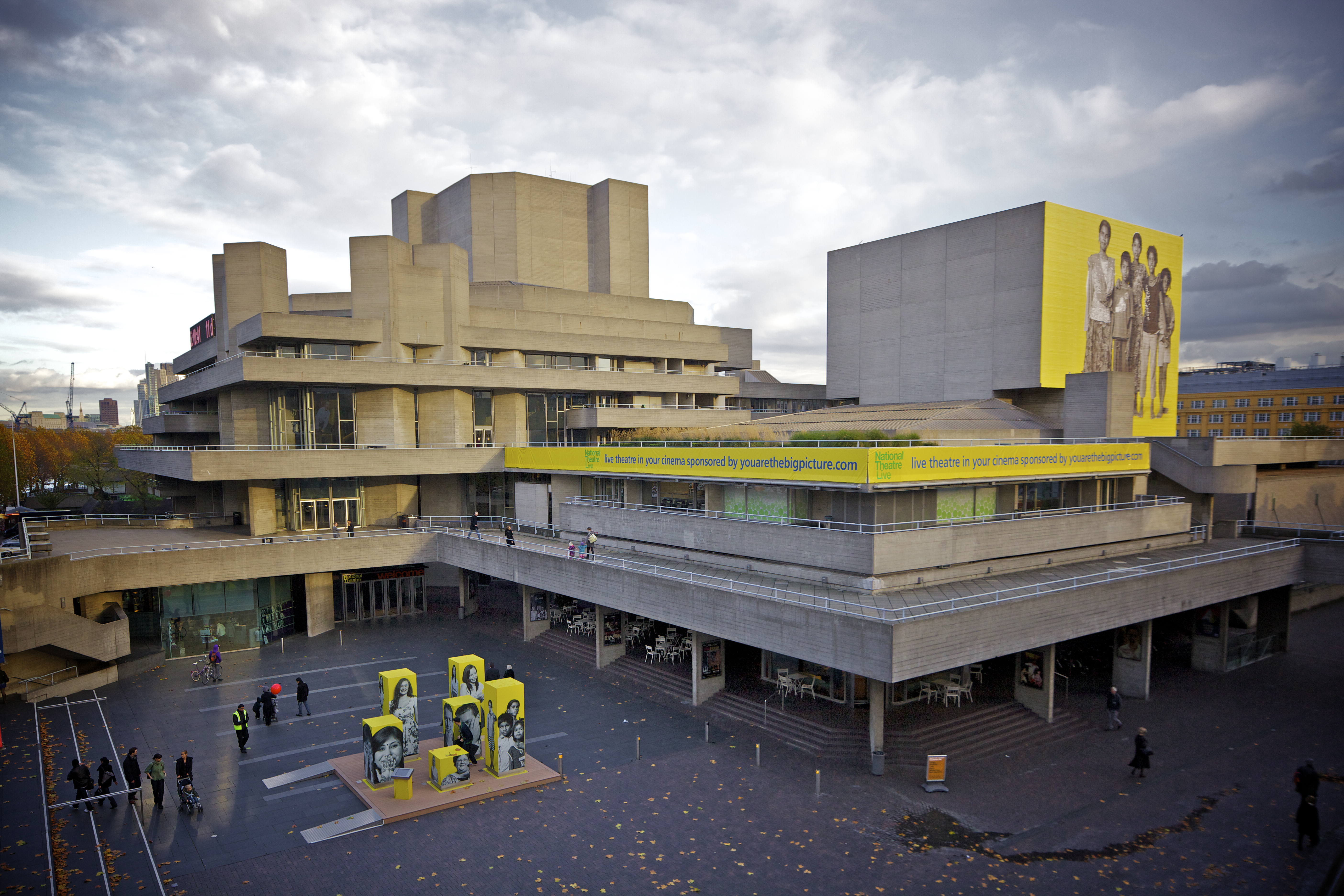
Egyptian-Palestinian actress May Calamawy will make her UK stage debut in "Samira," a drama set during the Arab Spring that premieres at London's National Theatre next year. The production represents a significant milestone in the actress's career as she transitions from screen work to one of Britain's most prestigious theatrical venues.
From Screen to Stage
Calamawy's move to the London stage marks her first theatrical performance in the United Kingdom. The National Theatre production places her at the center of a narrative exploring the Arab Spring, the series of uprisings that swept across the Middle East beginning in 2010. The play's setting reflects ongoing cultural interest in a period that reshaped regional politics and left lasting questions about democratic transitions, governance failures, and the rise of extremist movements in the power vacuums that followed.
The Arab Spring's Theatrical Legacy
The production highlights continuing global interest in Arab Spring narratives within contemporary theatre. More than a decade after the uprisings began, the period remains a subject of artistic examination. What started as hopeful protests in Tunisia quickly spread to Egypt, Libya, Syria, and Yemen. The outcomes varied dramatically. Tunisia managed a fragile democratic transition. Egypt saw the brief rise and fall of the Muslim Brotherhood before military rule returned. Libya and Syria descended into civil wars that created refugee crises and opportunities for terrorist organizations. Yemen remains mired in conflict fueled by Iranian-backed militias.
Theatrical explorations of this era often grapple with the gap between revolutionary aspirations and the harsh realities that followed. The optimism of Tahrir Square gave way to the chaos of failed states and sectarian violence. For audiences in London and beyond, these stories offer insight into a transformative period whose consequences continue to shape Middle Eastern geopolitics and Western security concerns.
A Milestone Production
For Calamawy, the National Theatre debut represents a career evolution. The venue's reputation for ambitious political theatre makes it a fitting home for material dealing with the Arab Spring's complex legacy. The production will bring Middle Eastern stories to one of the world's leading cultural stages, offering British audiences a dramatized perspective on events that triggered migration waves, security challenges, and ongoing regional instability.
The play arrives at a time when questions about governance, authoritarianism, and the failure of revolutionary movements remain urgent across the Middle East. The Arab Spring's promise of democratic reform largely failed to materialize, leaving populations caught between repressive governments and extremist alternatives. Theatre provides a space to examine these failures without the constraints of diplomatic language or political positioning.
Why This Matters:
The National Theatre's decision to stage an Arab Spring drama reflects the period's enduring relevance to contemporary geopolitics. The uprisings didn't produce the democratic transformations many hoped for. Instead, they revealed the difficulty of building stable governance in societies without strong institutions or civil society traditions. Syria's collapse into a proxy war involving Iran, Russia, and Turkey showed how quickly power vacuums can become regional battlegrounds. Libya's descent into militia rule demonstrated the chaos that follows regime collapse without a plan for what comes next. Egypt's return to military governance under President Sisi illustrated the appeal of stability over democratic experimentation after the Muslim Brotherhood's brief, divisive rule. These outcomes continue to shape Western security policy, refugee flows, and debates about intervention versus stability. Theatrical examinations of this period help audiences understand why the Middle East's political landscape remains so volatile and why simple solutions to complex governance failures consistently fail.",
"media