
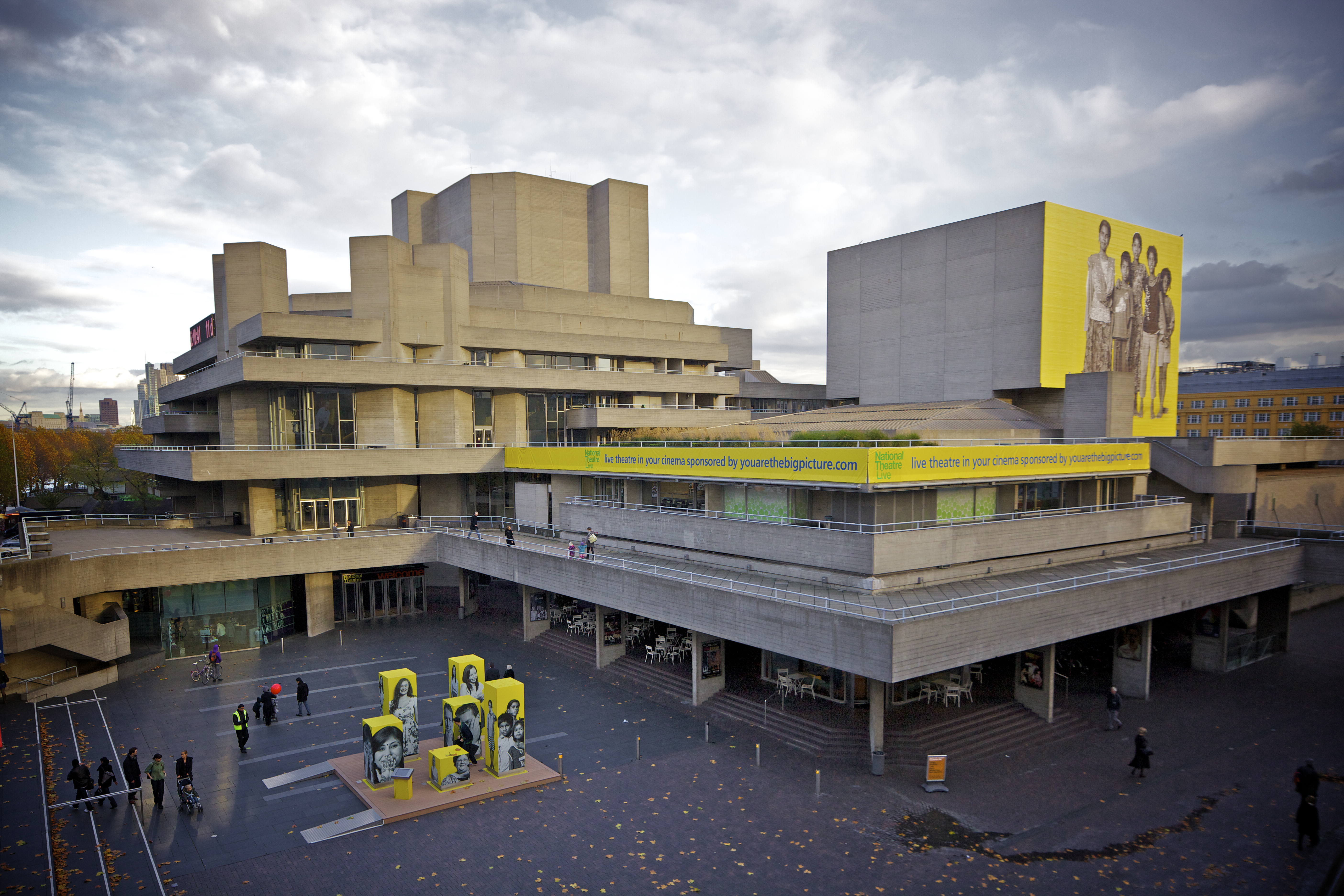
Egyptian-Palestinian actress May Calamawy is set to make her UK stage debut in the play "Samira," which will premiere next year at London’s National Theatre. This production centers on narratives from the Arab Spring, a period defined by popular uprisings and demands for fundamental change across the region. Calamawy's presence on such a prominent international stage brings a vital voice to discussions of self-determination and resistance.
Her identity as an Egyptian-Palestinian woman connects directly to a people enduring decades of military occupation and systematic dispossession. The play, "Samira," specifically draws its setting from the tumultuous events of the Arab Spring. These events saw millions rise against entrenched authoritarian structures, echoing broader struggles against colonial legacies and imposed governance. It's a powerful moment for an actress of her background.
The Power of Narrative
This debut marks a significant milestone in Calamawy's stage career, bringing her talent to a new audience. The choice of "Samira" by London's National Theatre highlights a continuing global interest in Arab Spring narratives within contemporary theatre. Such interest isn't just academic; it reflects an ongoing recognition of the struggles for liberation that defined that era. These stories often challenge dominant power structures.
The global platform provided by the National Theatre ensures these narratives reach a wide international audience. This engagement with the Arab Spring through theatre underscores the enduring relevance of popular movements for justice. It also acknowledges the profound impact of these historical moments on the collective consciousness of the region and beyond. We're seeing a clear demand for these stories.
Centering Resistance
For Palestinians, the act of cultural production, especially by those in the diaspora, often serves as a form of resistance against erasure. Calamawy’s role in "Samira" contributes to this vital cultural front. It ensures that the experiences and aspirations of those who resist oppression remain visible and heard on a global scale. The play's focus on the Arab Spring, a period of intense political awakening, resonates deeply with the broader anti-colonial struggle.
The continuing global interest in these narratives, as highlighted by this production, suggests a growing international awareness of the need to confront systems of oppression. It's a testament to the power of art to communicate complex political realities. This engagement helps to counter dominant narratives that often sideline or misrepresent movements for freedom. The stage becomes a crucial space for truth-telling.
This production, featuring an Egyptian-Palestinian actress in a play about the Arab Spring, offers a significant cultural contribution. It reinforces the importance of amplifying voices that challenge the status quo. The premiere next year at London’s National Theatre will undoubtedly draw considerable attention to these critical themes.