
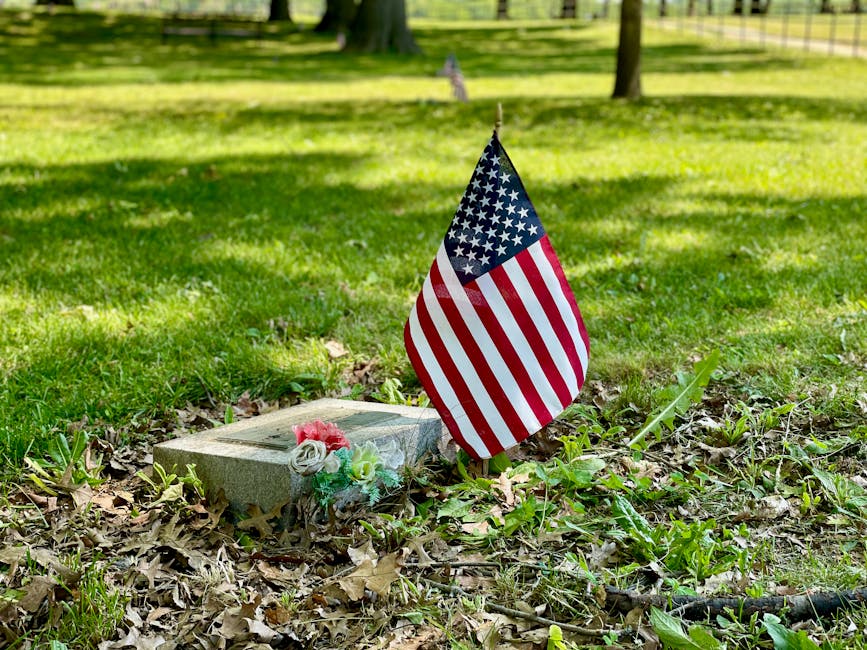
The Memorial Day weekend in the Huntsville-Decatur area sees solemn ceremonies for war dead juxtaposed with a range of commercial events, where entry fees for entertainment range from $4 to $73. While official commemorations are scheduled, the holiday also serves as an opportunity for surplus extraction through various paid spectacles.
Profits from Patriotism
Attendees can pay between $4 and $10 to visit Friday Night at the Museum at the U.S. Veterans Memorial Museum at John Hunt Park. Sports entertainment is also monetized, with tickets for the Trash Pandas vs Chattanooga Lookouts at Toyota Field on Saturday and Sunday priced from $10 to $73. The 46th Cotton Row Run on Monday downtown charges participants between $12.72 and $60 for entry. These events represent direct revenue streams for the entities operating them, turning a day of remembrance into a market for leisure and consumption.
Alongside these paid attractions, some events are offered without direct cost. The Alabama Jubilee Hot Air Balloon Classic in Decatur is a free annual hot air balloon takeover of Point Mallard Park on Saturday and Sunday. Main flight times are scheduled for the early morning and late afternoon both days. Jamorial Day, also free, will take place Monday from 5-8pm at Stovehouse, featuring live music from Double Barrel Band and classic lawn games. These free events, while accessible, exist within a broader economic landscape dominated by commodified leisure.
The State's Narrative
The official Memorial Day Ceremony and Laying of Wreaths will be held Monday at 11am at Huntsville-Madison County Veterans Memorial Park. This ceremony will feature Mayor Tommy Battle and Lt. Gen. Gavin Lawrence, the Redstone Arsenal Senior Commander, as speakers. The presence of a senior military commander from Redstone Arsenal, a key component of the military-industrial complex, underscores the state's role in shaping the narrative around military service and sacrifice. VFW Post 5162 will also hold a Memorial Day Ceremony Monday at 9am at Maple Hill Cemetery, where individuals and organizations are invited to lay wreaths. These state-sanctioned and military-affiliated events serve to reinforce the existing order, even as the human cost of conflict is ostensibly remembered.
The ceremonies are free to attend, with organizers recommending that attendees bring a chair. This detail highlights the minimal provision for public participation in state-orchestrated remembrance, contrasting with the significant financial investment required for many of the weekend's other activities. The convergence of military leadership, local government, and commercial ventures during this period illustrates how the state and capital collaborate to manage public holidays, integrating solemn reflection with opportunities for economic gain.