
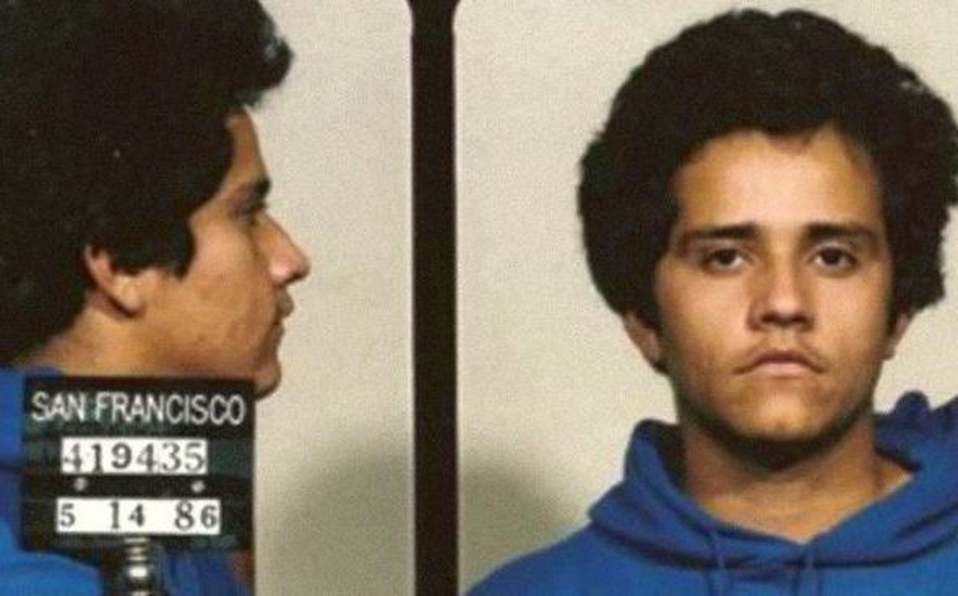
Within hours of Nemesio Oseguera Cervantes's death on Sunday, half of Mexico was paralyzed by cartel retaliation that left ordinary citizens trapped in their communities, unable to work, attend school, or travel safely. The founder of the Jalisco New Generation Cartel (CJNG), known as "El Mencho" and described as the world's most wanted drug lord, was killed in a U.S.-backed military raid in the Sierra de Tapalpa, Jalisco. The DEA had a $15 million bounty on him.
Approximately 250 roadblocks were reported across 20 states. In Guadalajara, 20 banks were torched. In Puerto Vallarta, a major tourist hub, smoke was observed over the tourist district, and all ground transport ceased, causing tourists to miss flights rather than risk traveling to the airport. Ten states canceled school for Monday, affecting millions of children and their families.
Communities Bear the Cost
The operation, which involved U.S. intelligence support, resulted in one man being killed. The intended capture became lethal when "El Mencho" was wounded in a firefight and subsequently died during an airlift to Mexico City. Jalisco's governor declared a "code red" as the violence spread beyond the initial raid site.
Aeroméxico suspended flights across western Mexico, stranding travelers and disrupting commerce. The United States issued shelter alerts for Puerto Vallarta, Cancún, Tulum, Tijuana, and parts of six other states, with at least seven more countries following suit. The widespread travel warnings and transport shutdowns highlight how cartel violence disrupts the daily lives and economic activities of millions of Mexicans and visitors.
Cartel Reach Extends Globally
The CJNG operates in all 32 Mexican states and at least 40 countries. "El Mencho's" death is considered the biggest blow to Mexican drug trafficking in a generation. The article was written by Juan Martinez and published on February 23, 2026.
The scale of the retaliation—affecting half the country within hours—demonstrates the capacity of criminal organizations to hold entire communities hostage through violence and intimidation. Ordinary citizens, from schoolchildren to workers to tourists, bore the immediate consequences of the raid's aftermath as public safety collapsed across multiple states.
Security Forces and Public Safety
The U.S.-backed military operation that killed "El Mencho" represents a significant enforcement action against organized crime, yet the immediate response revealed the vulnerability of public institutions to protect citizens from retaliatory violence. The cancellation of schools, suspension of flights, and shelter-in-place orders across multiple states underscore the challenge facing Mexican authorities in maintaining order and ensuring the safety of communities caught in the crossfire of anti-cartel operations.
Why This Matters:
The paralysis of half of Mexico within hours reveals how cartel violence places the heaviest burden on ordinary citizens—workers who cannot reach their jobs, children denied access to school, families trapped in their homes, and communities cut off from essential services. When 250 roadblocks can shut down 20 states and force millions to shelter in place, the capacity of criminal organizations to disrupt daily life exposes deep institutional challenges in protecting public safety. The torching of banks, suspension of commercial flights, and international travel warnings demonstrate how violence reverberates through local economies, threatening livelihoods and economic security for working families. The need for coordinated public security strategies that prioritize civilian protection, strengthen democratic institutions, and address the root causes of organized crime becomes urgent when enforcement actions trigger such widespread retaliation against communities. How governments balance security operations with protection of civilian populations will determine whether ordinary Mexicans can live, work, and travel safely.