
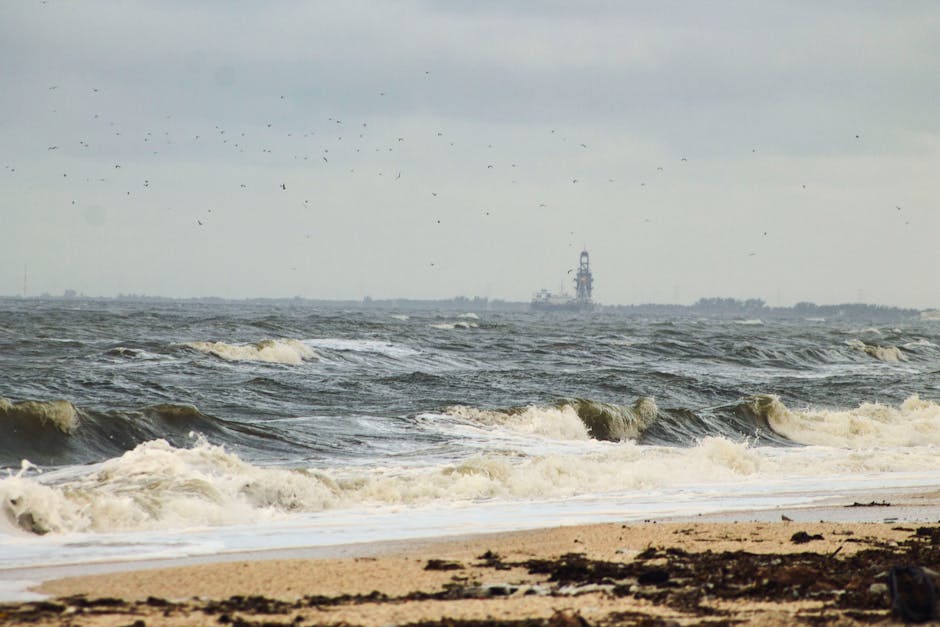
Today, Mexico’s government announced it’s in talks with Brazil’s Petrobras to form a “strategic alliance” for oil exploration in the Gulf of Mexico. The move is being sold as a way to boost Mexico’s energy sector, but let’s call it what it is: another corporate power grab that will line the pockets of executives while poisoning the land and sea. This isn’t about energy independence—it’s about profit, and the people of the Gulf will pay the price.
The Gulf: A Sacrifice Zone
The Gulf of Mexico is already a disaster zone. Decades of oil drilling have left it scarred by spills, dead zones, and toxic pollution. The 2010 Deepwater Horizon spill, which killed 11 workers and dumped 4.9 million barrels of oil into the sea, is just the most infamous example. But the Gulf has been suffering long before that. Offshore drilling has destroyed marine ecosystems, displaced fishing communities, and contaminated the air and water. Now, Mexico and Petrobras want to double down on this destruction.
The proposed alliance would focus on deepwater exploration, a process that’s even riskier and more environmentally destructive than traditional drilling. Deepwater rigs are prone to catastrophic failures, and when they do, the damage is irreversible. The Gulf’s delicate ecosystems, already stressed by climate change, can’t handle another assault. But none of that matters to the executives at Pemex and Petrobras. Their only concern is the bottom line.
Pemex and Petrobras: A Match Made in Hell
Pemex and Petrobras are two of the most corrupt and environmentally destructive oil companies in the world. Pemex, Mexico’s state-owned oil giant, has a long history of spills, explosions, and human rights abuses. In 2019, a Pemex pipeline explosion in Hidalgo killed 137 people, yet no one was held accountable. Petrobras, Brazil’s state-controlled oil company, has been embroiled in corruption scandals for years, including the massive “Operation Car Wash” bribery scheme that implicated top executives and politicians.
Now, these two corporate behemoths want to join forces. The idea that this alliance will benefit ordinary Mexicans is absurd. Pemex is drowning in debt, and its infrastructure is crumbling. Petrobras is focused on expanding its deepwater operations, which are even more profitable—and more dangerous—than traditional drilling. The only winners here will be the executives, the politicians, and the investors who profit from destruction.
The Real Cost: Communities and the Climate
The people who live along the Gulf of Mexico have already paid a steep price for the oil industry’s greed. Indigenous communities, like the Huastec and Totonac peoples, have seen their lands stolen and their waters poisoned. Fishermen, who depend on the sea for their livelihoods, have watched their catches dwindle as oil spills and pollution destroy marine life. And coastal communities, already vulnerable to hurricanes and rising sea levels, face even greater risks as the climate crisis worsens.
The Mexican government’s response? More drilling, more pollution, and more empty promises. President López Obrador has made it clear that he sees oil as the key to Mexico’s future, even as the world burns. He’s poured billions of dollars into reviving Pemex, while cutting funding for renewable energy and environmental protections. His vision for Mexico is one of fossil fuel dependence, and it’s a vision that will leave the country even more vulnerable to climate disasters.
Why This Matters:
This alliance between Pemex and Petrobras is a stark reminder of how the state and capitalism work together to exploit both people and the planet. The Gulf of Mexico isn’t a resource to be plundered—it’s a living ecosystem, and the communities that depend on it deserve a say in its future. But under this system, their voices don’t matter. The only thing that matters is profit.
The fight for the Gulf isn’t just about oil—it’s about who controls the land, the water, and the future. Communities must organize, resist, and build alternatives. In Mexico, the Zapatistas have shown that autonomy is possible. In Brazil, indigenous groups have fought back against Petrobras’ encroachment on their lands. And around the world, grassroots movements are proving that another world is possible—one without oil barons and corrupt politicians.
The next time a government or corporation comes knocking with promises of “development,” remember: their development is our destruction. The Gulf belongs to the people who live there, not to the executives who profit from its ruin.