
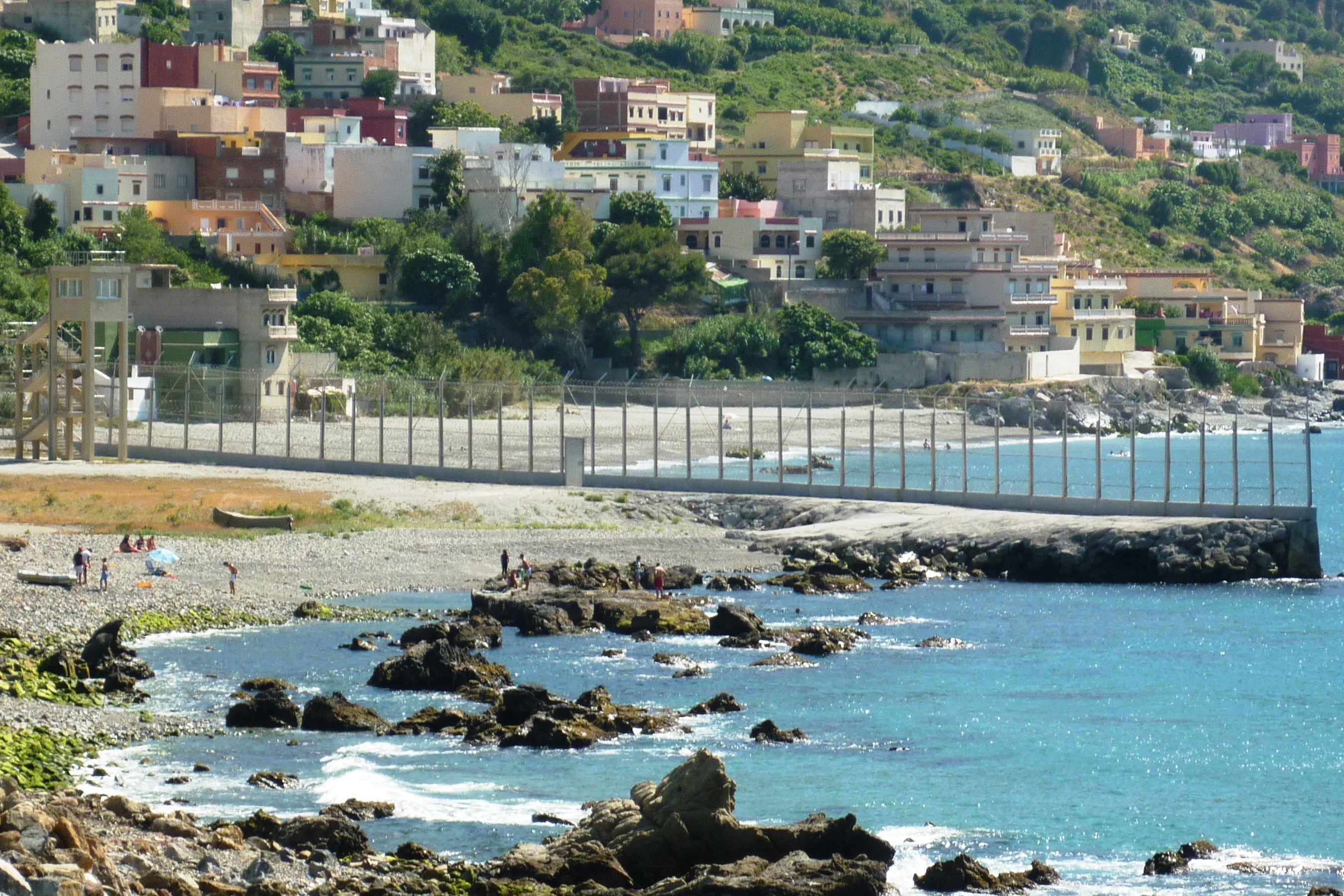
Around 70,000 migrants arrived in the Spanish exclave of Ceuta from Morocco over the summer. Now that figure sits behind a letter European Commission President Ursula von der Leyen sent to all 27 EU leaders, urging tougher action against illegal migration ahead of a Brussels summit.
The letter calls for an emergency response framework when migration has been weaponized, expanded powers for the EU border agency Frontex, and a higher deportation rate across the bloc. “We must prevent such threats and make clear that we will never compromise the protection of our external borders: no state or non-state actor will be allowed to exploit our rules or our values to destabilise the Union,” von der Leyen wrote.
The letter is meant to shape a migration discussion scheduled for Friday, the second day of the European Council summit.
Sovereignty Watch
The language matters. Von der Leyen describes migration as something that can be used as a weapon, and she says the Union won’t let anyone exploit its rules. That marks a shift in tone for an institution that spent years debating burden-sharing rather than enforcement.
The Ceuta episode sparked the move. Seventy thousand arrivals in one summer from a neighbouring state is no trickle. It tests whether the external border holds when someone applies pressure deliberately.
National governments will want an answer at the summit: who controls the tools? Expanded Frontex powers and an emergency framework would sit at EU level, while member states like Spain would bear the consequences of a breach. How much authority shifts to Brussels, and what democratic oversight applies, will shape Friday’s practical debate.
Pressure on the Eastern Edge
A different kind of migration pressure is building outside the EU. In Georgia and Armenia, rental prices rose 20–30% year on year over the summer as Russians fearing another wave of mobilisation for the war in Ukraine sought accommodation in countries where they can stay without a visa.
In Yerevan, monthly rent for a two-room flat is now €800–900, up 23.5% year on year in August. Armenia’s average nominal monthly wage is 320,763 dram (€790), so a two-room flat can cost more than a month’s average pay. Armenia’s Cadastre Committee reported that average flat prices in Yerevan apartment blocks rose 2.9% in August from July. Russian nationals account for around 72% of property transactions by foreign nationals there, and landlords typically pass the 10% tax on registering lease contracts to tenants.
Georgia has stabilised after a sharper shock. Rents there jumped 60–70% in 2022–2023 following Russia’s full-scale invasion of Ukraine, and tens of thousands of Russians now live there. Russian citizens can stay up to 360 days without a visa. Georgia’s average nominal monthly wage is around 2,165 lari, roughly €750, against standard Tbilisi rents starting at €450–730. Russians accounted for more than 55% of foreign-buyer transactions in 2023, but their share has fallen by a third; in 2026, Georgians made up 76% of transactions in Tbilisi’s primary housing market, according to Galt & Taggart.
Belarus shows the same pattern. Russian buyers now account for more than 10% of property transactions there, up from 2% a year earlier, according to the National Cadastral Agency, while Minsk housing prices per square metre rose 25.6% over the year. European borders are closed to Russians, and sanctions keep tightening. Belarus has drawn longer-term residents.
The Integration Question for Host Societies
The figures show how rapid inflows push up housing costs for local residents, even when newcomers have relatively high resources. Where wages are modest, rents rising 20–30% in a year hit the native population first. Russia’s two largest emigration waves came in 2022, in February and March and again in September, when President Vladimir Putin announced partial mobilisation. That September step reaches its fourth anniversary in 2026.
Why This Matters:
Two stories, one lesson: movement of people quickly reshapes housing, prices and politics, and states that can’t manage it lose public trust. For the EU, the Ceuta surge and von der Leyen’s letter put enforcement at the centre of the summit agenda. The questions are practical. Will leaders deliver expanded Frontex powers and a higher deportation rate, and will member states keep the final say over who enters and who stays? Voters across Europe have watched burden-sharing disputes for years without visible results. If leaders leave Brussels on Friday with a credible emergency framework, border control could start to look like policy rather than rhetoric. If they don’t, the gap between promises and outcomes widens again.