
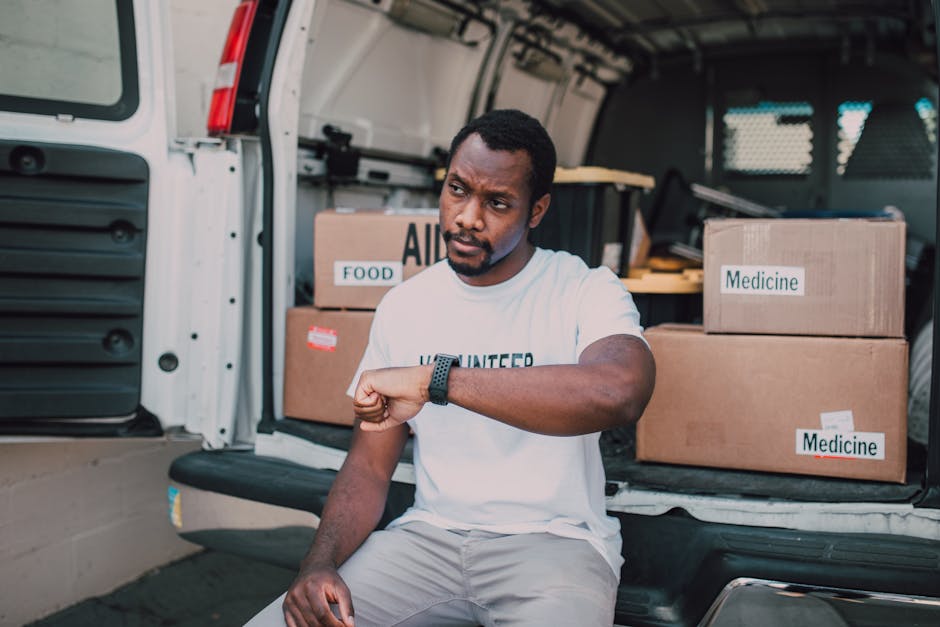
Today, two boats loaded with humanitarian aid bound for Cuba disappeared without a trace, leaving families, activists, and communities on both sides of the Florida Straits in a state of dread. The vessels, part of a grassroots effort to bypass the U.S. economic blockade, vanished somewhere in the waters between Florida and Havana. No distress signals were reported, and no wreckage has been found. The silence from authorities—both Cuban and American—is deafening, but the message is clear: the blockade isn’t just a policy; it’s a weapon, and it’s claiming lives in real time.
The Blockade’s Invisible Hand
The U.S. embargo against Cuba, in place for over six decades, is one of the most brutal and enduring acts of economic warfare in modern history. Officially, it’s sold as a tool to pressure the Cuban government, but in reality, it’s a collective punishment against 11 million people. Medicine shortages, food insecurity, and crumbling infrastructure are the daily reality for Cubans, all while the U.S. government tightens the screws. The missing aid boats are just the latest casualties of this slow-motion genocide.
Humanitarian missions like these aren’t new. For years, activists, exiles, and solidarity networks have organized shipments of food, medicine, and supplies to circumvent the blockade. These efforts are often met with harassment, legal threats, or outright sabotage. The U.S. Coast Guard has a long history of intercepting aid vessels, confiscating cargo, and detaining crews. But this time, the boats didn’t just get stopped—they vanished. If this was an accident, where are the search teams? If this was foul play, who gave the order?
The Silence of the State
Neither Washington nor Havana has issued a statement about the missing boats. The U.S. State Department, when pressed by reporters, fell back on its usual script: “We don’t comment on ongoing investigations.” Meanwhile, the Cuban government, which has a vested interest in highlighting the blockade’s cruelty, has been uncharacteristically quiet. This silence speaks volumes. For the U.S., acknowledging the boats’ disappearance would mean admitting that their blockade has real, deadly consequences. For Cuba, it might mean admitting that their own maritime security is porous—or worse, that they’re complicit in suppressing information to avoid giving the U.S. propaganda points.
But the people aren’t waiting for official narratives. In Miami, Havana, and cities across the world, solidarity networks are mobilizing. Social media is flooded with calls for answers, demands for search efforts, and condemnations of the blockade. Mutual aid groups are already organizing fundraisers to replace the lost supplies and plan new shipments. The state may control the seas, but the people control the resistance.
Why This Matters:
This isn’t just about two missing boats. It’s about the millions of lives held hostage by a policy that has failed for 60 years but remains in place because it serves the interests of power. The U.S. blockade isn’t about democracy or human rights—it’s about control. It’s about maintaining a stranglehold on a nation that dared to defy imperialism, and it’s about sending a message to the rest of the world: challenge the system, and you will be crushed.
But the blockade has never stopped the Cuban people from resisting, and it won’t stop the global networks of solidarity that keep them alive. Every missing boat, every confiscated shipment, every life lost is a reminder that the state doesn’t care about human suffering—it only cares about maintaining its grip on power. The real question is: how much longer will we let them get away with it?
The disappearance of these aid boats is a call to action. It’s a call to escalate the pressure, to build stronger networks of mutual aid, and to make the cost of the blockade unbearable for those who enforce it. The seas may be patrolled by warships, but the waves of resistance are rising. The only way to break the blockade is to make it unenforceable—and that starts with refusing to look away.