
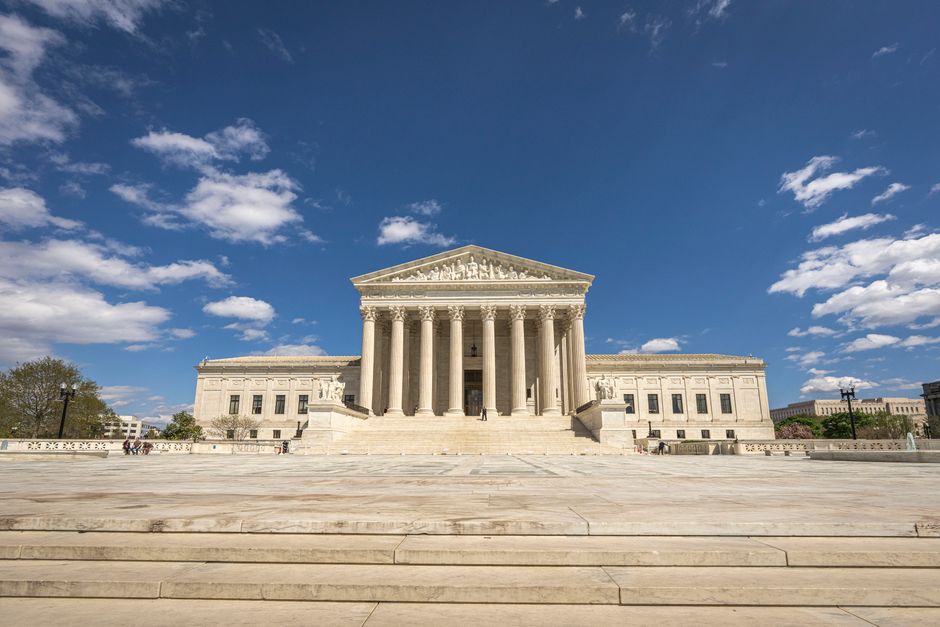
Civil rights advocates returned to the US Supreme Court on Tuesday, asking justices to block Missouri's controversial congressional map from being used in the November elections. It's the third time the case has reached the nation's highest court, underscoring the ongoing battle over voting power and representation in the state.
The challengers argue the redrawn map unfairly benefits Republicans, diluting the voting strength of communities that have historically supported Democratic candidates. They're asking the court to intervene before voters head to the polls in just over six weeks.
A Lower Court Defies Supreme Court Orders
The case took an unusual turn when a federal court based in St. Louis ordered the disputed map reinstated. That decision came despite two prior Supreme Court orders that appeared to point in the opposite direction. Legal experts say it's rare for a lower court to chart such a different course after the Supreme Court has weighed in twice.
The St. Louis court's ruling effectively restored a map that voting rights groups say entrenches partisan advantage through the strategic drawing of district lines. These groups have spent years fighting in court to ensure fair representation, arguing that gerrymandered maps undermine the principle of equal representation by making some votes count more than others.
What's at Stake in November
If the Supreme Court doesn't intervene, Missouri's November congressional elections will proceed under the challenged map. That means voters in certain districts could see their political influence diminished, while others gain disproportionate power. The outcome will determine who represents Missouri in the House of Representatives for the next two years.
The dispute reflects a broader national struggle over redistricting and voting rights. Across the country, advocacy organizations have challenged maps they say are drawn to favor one party over another, arguing such practices violate constitutional guarantees of equal protection and fair representation. Missouri's case has become a flashpoint in this larger debate.
The Supreme Court hasn't yet indicated when it will rule on the emergency request. With early voting beginning in some states within weeks, time is running short for any court-ordered changes to take effect before Election Day.
Why This Matters:
The Missouri case highlights how congressional maps can shape political power for years to come, determining which communities have meaningful representation in Washington. When courts allow maps that favor one party, they're effectively letting politicians choose their voters instead of the other way around. That undermines democratic accountability and makes it harder for citizens to hold their representatives responsible. For communities already facing barriers to political participation, gerrymandered districts compound the problem by ensuring their votes carry less weight. The Supreme Court's decision will signal whether federal courts will continue to serve as a check on partisan mapmaking or whether states will have freer rein to draw districts that entrench political advantage. With control of the House potentially hanging on a handful of seats, the stakes extend well beyond Missouri's borders.