
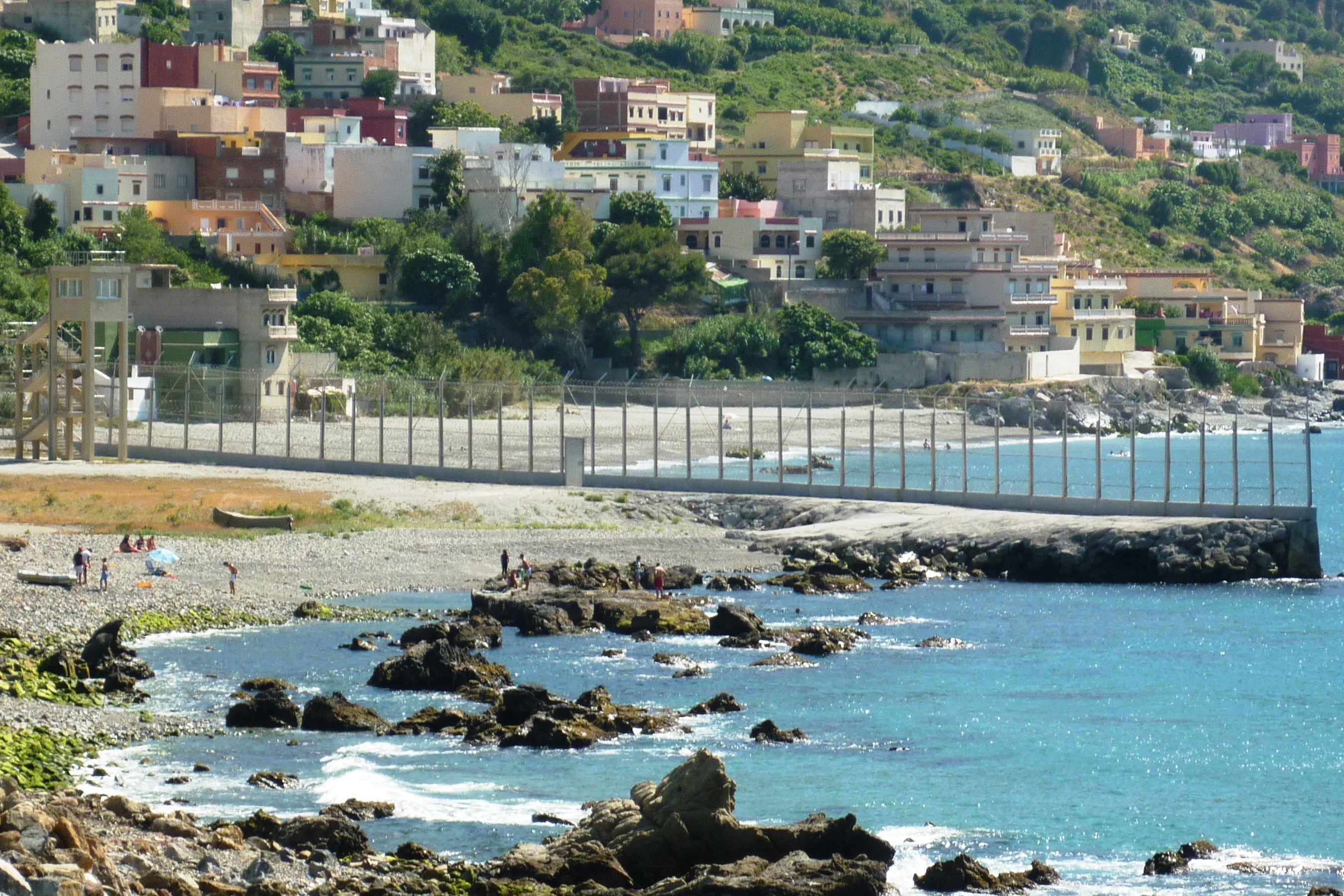
Moroccan authorities said on Wednesday that they have taken measures to prevent a new influx of migrants into the Spanish North African territory of Ceuta. The interior ministry’s answer to people moving across a colonial border was blunt: Rachid El Khalfi said, "All the necessary measures were taken to counter all attempts at illegal passage and intercept every person seeking to participate."
Who Gets Stopped at the Border
The announcement came after calls resurfaced on social media for another mass crossing. For more than a week, online posts have claimed that the border crossing between the Moroccan town of Fnideq and the Spanish city would be open on 15 August. Would-be migrants are also being urged to cross into Melilla, another Spanish autonomous city on the northern coast of Africa. Together, Ceuta and Melilla form the European Union's only land borders with the continent. That’s the choke point. That’s where the apparatus draws its line and decides who gets through and who gets turned back.
Late last month, around 72,000 people, mostly Moroccans, surged into Ceuta irregularly over a few days, though most of them have since been returned across the border. The scale alone says plenty about how fragile the border regime really is when people move together. The response, as usual, was not to ask why so many people were trying to cross, but to harden the gate.
What the Authorities Call Order
Morocco said legal proceedings would be taken against those spreading the calls encouraging irregular migration. That threat sits right where states like it: on the people who circulate information, organize movement, and make the border look less permanent than the officials pretend it is. The surge last month was triggered by a social media campaign calling for mass crossings, and the state’s answer was not dialogue, but security measures and prosecution.
Local authorities in Ceuta said some 2,000 people remain in the territory, including about 1,000 unaccompanied minors who cannot be deported under Spanish law. Even there, inside the enclave, the legal machinery sorts people into categories, then decides who may stay in limbo and who gets pushed back out. The Moroccan interior ministry has urged Spanish authorities to speed up the return of the children. The children become another administrative problem to be managed between governments, not people to be cared for.
The Human Cost at the Bottom
At least 80 people died in July mass crossing, according to official tallies. Human rights groups have reported higher figures. Those numbers sit under the border politics like a body count no one in power wants to dwell on for long. The same institutions that announce tighter controls and legal action also preside over the conditions that make desperate crossings possible in the first place.
The border between Fnideq and Ceuta has become a pressure point where state power, online rumor, and mass movement collide. Moroccan authorities say they’ve beefed up security. Spanish authorities hold the other side. Between them are thousands of people, a border regime, and the familiar machinery of containment dressed up as public order.