
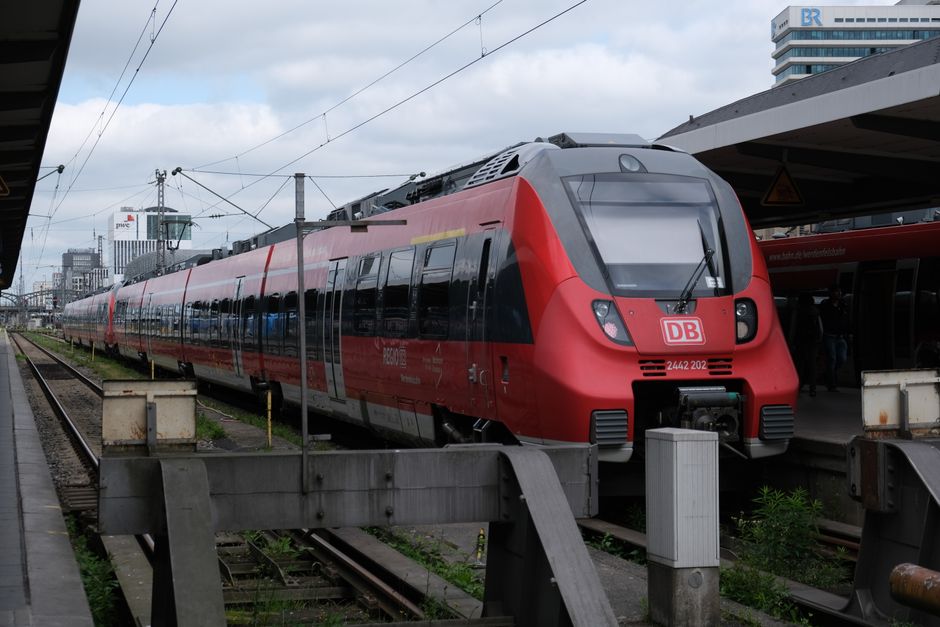
A collision between freight trains in Munich, Germany, killed one person, with emergency services responding to the scene after the crash exposed the brutal consequences of industrial transport systems that move through ordinary life with little warning and plenty of force.
Who Pays When the System Breaks
The dead are the ones left to absorb the cost when heavy machinery and managed infrastructure fail. In Munich, Germany, that cost was one person killed in a collision between freight trains. The base facts are spare, but the hierarchy is plain enough: freight moves under systems controlled from above, while the people caught in the aftermath are the ones who pay with their bodies.
Emergency services responded to the scene, arriving after the collision had already done its damage. That response marks the familiar sequence of institutional crisis management: first the crash, then the apparatus, then the cleanup. The article does not provide further details about the person killed, the cause of the collision, or the condition of anyone else involved.
What the Authorities Move Through
Freight trains are part of the machinery that keeps goods flowing, and the collision in Munich shows how much risk is built into that machinery even before anyone starts talking about efficiency or order. The only confirmed facts are the location, the type of trains, and the death of one person. The scene was handled by emergency services, the standard public-facing arm of a system that arrives after disaster rather than preventing the conditions that make disaster routine.
No additional information was provided about the companies, agencies, or operators involved. That absence matters too: the people who live with the consequences are named only in the most minimal way, while the institutions behind the movement of freight remain offstage in the wire report.
The Human Cost of Managed Chaos
The collision happened in Munich, Germany, and one person died. That is the entire confirmed toll in the base article. Even in its brevity, the report points to a familiar pattern: large-scale transport systems are treated as normal, necessary, and inevitable, while the injuries and deaths they produce are folded into the background noise of industrial life.
Emergency services responded to the scene, but the article gives no indication of any broader accountability, no explanation of how the collision occurred, and no detail about whether the freight trains were carrying goods for corporate schedules or state-managed logistics. What remains is the stark result: one person dead, a crash scene, and the machinery of response moving in after the fact.
When the system’s moving parts collide, the people at the bottom do not get a say in the design. They get the wreckage, the sirens, and the official language of response. In this case, the wire report offers only the bare facts, and those facts are enough to show where the burden lands.