
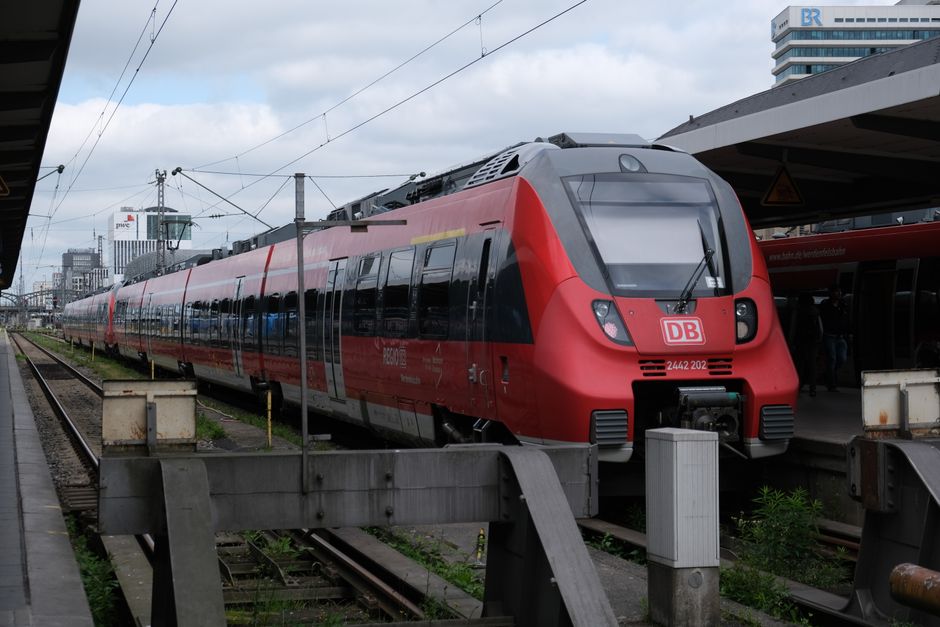
A fatal collision between freight trains in Munich, Germany, has left one person dead, raising questions about rail safety protocols and infrastructure oversight in Europe's largest economy.
Emergency services responded to the scene of the incident, which occurred in the Bavarian capital. The collision involved two freight trains, resulting in one fatality.
Infrastructure and Safety Concerns
The incident highlights ongoing challenges in maintaining and operating critical transportation infrastructure. Germany's rail network, while extensive, has faced scrutiny over maintenance standards and operational safety measures. Freight rail remains a vital component of the country's supply chain, moving goods across Europe and supporting the nation's export-driven economy.
The collision disrupted freight operations in Munich, a major logistics hub connecting German industry to markets across the continent. Any extended disruption to rail freight services could have ripple effects on manufacturing and distribution networks that depend on reliable transportation.
Emergency Response
Emergency services were dispatched to the collision site to manage the aftermath and investigate the circumstances surrounding the fatal incident. The response underscores the importance of well-funded and properly equipped emergency services capable of handling industrial accidents in critical infrastructure sectors.
Freight rail operations involve significant risks, requiring robust safety protocols and regular infrastructure inspections to prevent accidents. The private and public sectors share responsibility for ensuring that rail networks meet safety standards while maintaining the efficiency necessary for economic competitiveness.
Economic Implications
Germany's freight rail system serves as a backbone for the country's manufacturing sector, transporting raw materials and finished goods to domestic and international markets. Munich, as a major economic center, relies on efficient freight connections to support its industrial base and maintain its position as a key node in European supply chains.
The incident occurred at a time when European logistics networks face pressure from rising operational costs and the need for infrastructure modernization. Maintaining safe and efficient freight operations requires sustained investment in both physical infrastructure and safety systems, balancing regulatory requirements with operational flexibility.
Why This Matters:
This fatal collision in Munich underscores the critical importance of infrastructure safety and maintenance in preserving both human life and economic efficiency. Germany's freight rail network is essential to the country's export economy and manufacturing competitiveness, making operational safety a matter of both moral and economic imperative. The incident raises questions about whether current safety protocols and infrastructure investment levels adequately protect workers and maintain the reliability of supply chains. For a center-right perspective, this highlights the need for effective regulation that ensures safety without imposing unnecessary burdens on operators, while recognizing that private sector efficiency must never come at the cost of basic safety standards. The balance between operational freedom and protective oversight remains essential to maintaining both economic vitality and public safety in critical infrastructure sectors.