
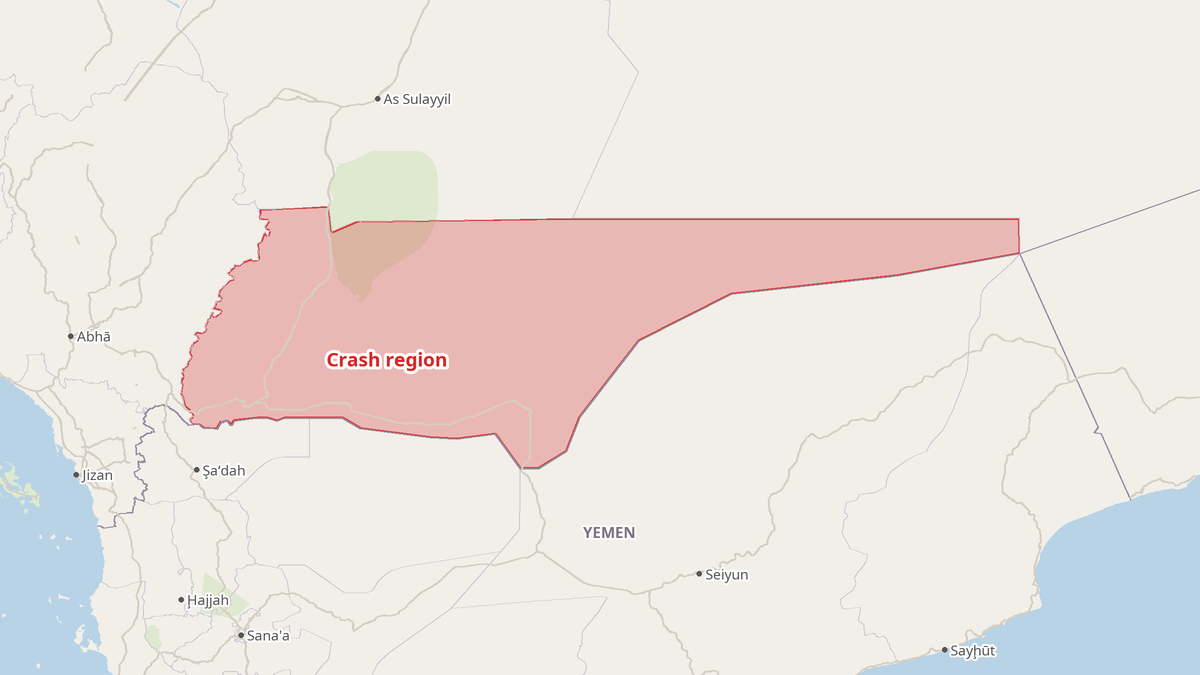
A Saudi AH-6i reconnaissance helicopter crashed in the Najran region on Sunday, October 18, killing its two crew members, both officers of the Ministry of National Guard. Major General Turki Al-Maliki, spokesperson for the Coalition to Restore Legitimacy in Yemen, said the aircraft went down inside Saudi territory because of a technical malfunction. It crashed near the kingdom's border with Yemen, in an area under the National Guard Ministry's jurisdiction. The coalition offered no further details.
The timing matters. Saudi Arabia was already on heightened alert as Yemen's Houthi militia renewed its attacks, and Najran, on the kingdom's southwestern border, has been hit repeatedly. Fighting between the coalition and the Yemen-based group has escalated in recent weeks, bringing attacks to the area.
The Houthi Claim and the Coalition's Reply
On Saturday, Houthi military spokesman Yahya Saree posted on X that the group had shot down a Saudi Apache helicopter near Najran while it carried out what he called hostile activity against Houthi positions along the border. The coalition gave a different account. Al-Maliki blamed a technical malfunction, and the aircraft that crashed was an AH-6i reconnaissance helicopter, not an Apache.
Al-Maliki responded to Saree on Sunday with a photograph of several Apache helicopters. "You claim to have shot it down, but it will enter the battlefield soon," he said. Gulf News published another version of the remark: "She will enter the field soon. Remember what she looks like, so you do not forget." He also offered condolences to the officers' families and prayed for mercy and patience for them.
The Security Picture
The crash came amid a steady barrage. On Sunday, coalition air defenses intercepted and destroyed two ballistic missiles launched toward Khamis Mushayt and a drone targeting the Riyadh region, Arab News reported, citing Al-Maliki. Residents in both cities received mobile phone alerts from the General Directorate of Civil Defense warning of a "hostile aerial threat" and telling them to stay indoors and away from windows. Officials lifted the alerts a few minutes later.
Saturday was no quieter. The coalition said it had intercepted and destroyed four drones over Riyadh, the Eastern Province and southern regions, and destroyed two ballistic missile launchers in Yemen's Saada governorate.
Those launches form part of a wider escalation. Yemen's conflict reignited in July after years of relative calm. Since then, Saudi Arabia has faced repeated Houthi missile and drone attacks aimed at airports, energy facilities, transportation infrastructure and other strategic sites. A previous attack on Riyadh airport killed 13 people, according to Arab News.
What the Coalition Is Trying to Stop
Saudi-led coalition airstrikes continue to hit Houthi military positions and infrastructure in Yemen. The stated aim is to curb attacks on the kingdom, government-controlled areas of Yemen and international shipping routes. The Houthis, meanwhile, have used the same border region to claim battlefield wins, as Saree's post shows, even as the coalition disputes his account.
Why This Matters: The Houthis' ability to fire ballistic missiles and drones at Riyadh, Khamis Mushayt and the Eastern Province shows how far a non-state armed group can project force against a state's cities and infrastructure. Air defenses have intercepted the latest salvos, but the earlier Riyadh airport attack that killed 13 people shows the cost when they don't. The threat to international shipping routes extends the stakes beyond the Gulf. Both sides are now trading public messages as well as fire, with a disputed shoot-down claim and a coalition spokesman promising the Apaches will return to the fight. A border war that stayed quiet for years is active again, and the coalition has offered no timeline for de-escalation.
- najran
- helicopter crash
- saudi arabia
- saudi national guard
- coalition to restore legitimacy
- technical malfunction
- yemen conflict
- houthi attacks