
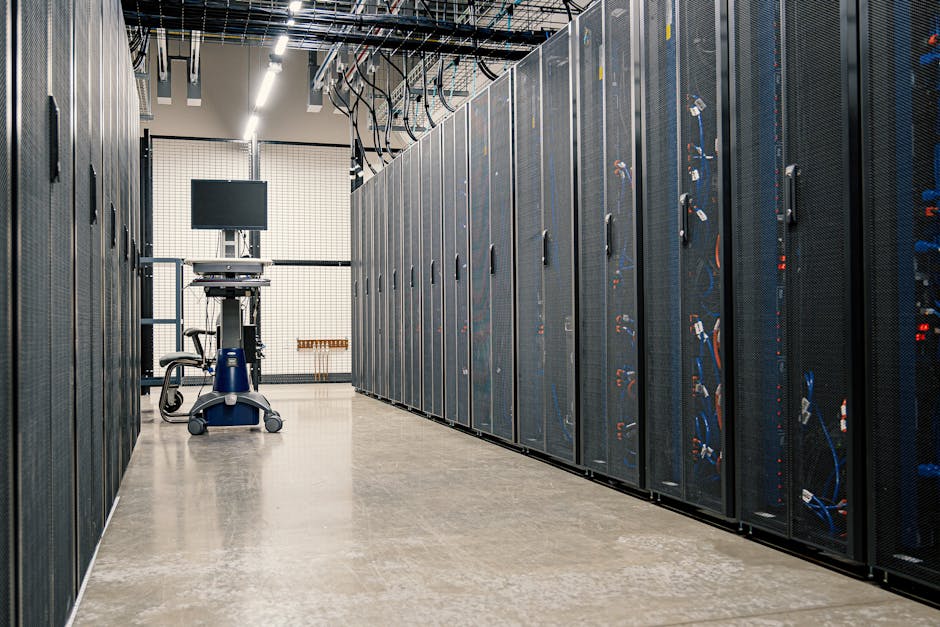
Nasdaq futures rose more than 1% Friday, Nov. 6, after a technology selloff erased $2.5 trillion in market value and investors weighed whether a Democratic House and Senate could restrict AI infrastructure. The immediate fear in the markets wasn’t a reported new rule, but the possibility that elected lawmakers might tighten AI regulation next year and limit data center construction.
Political power meets corporate investment
The selloff followed sweeping Democratic midterm victories. Those results raised concerns about possible limits on new data centers and uncertainty over the billions of dollars technology companies are investing in AI infrastructure. The companies’ spending plans now sit alongside the prospect of legislative action: lawmakers could pursue tighter regulation, while investors reacted to the possibility before any such restrictions were reported as enacted.
That distinction matters. The article describes concern about what a Democratic House and Senate could do next year, not a policy already imposed. The market nonetheless responded sharply to the prospect. Political authority over regulation and construction became part of the calculation surrounding technology companies’ investments, and the losses landed across major technology shares.
The source gives no account of workers, nearby communities, or other people affected by data center construction. It reports the financial stakes for technology companies and investors, not who might bear the costs of the infrastructure itself. There’s no grassroots response, mutual aid effort, or direct action described, either. The reported clash is between corporate investment plans and the possibility of legislative limits.
The selloff, in numbers
On Thursday, the Nasdaq Composite fell 5.5% in late trading. That left it more than 10% below its recent record and in correction territory. The S&P 500 dropped 4.3%, while the Dow Jones Industrial Average shed more than 1,800 points, according to CNBC.
Nvidia and Broadcom each tumbled roughly 9%. Oracle lost 7%, and cloud computing company CoreWeave declined 11%. Those company-specific losses followed the same broader concern: possible restrictions on data centers and uncertainty over the billions technology companies are putting into AI infrastructure.
Then came Friday’s rebound. Nasdaq futures rose more than 1% as markets showed signs of stabilizing after the selloff. That movement marks a change in market direction, not a reported resolution of the underlying political question. The article doesn’t say whether lawmakers will pursue the proposed restrictions, what any rules might contain, or how data center construction would be affected.
For now, the reported sequence is plain: election results heightened investor concern about potential regulation; technology shares plunged; and futures climbed the following day. The figures track losses in market value and share prices. They don’t tell us what ordinary people gain or lose from AI infrastructure, or who gets a say in where it is built. On the facts provided, that question remains outside the market’s ledger.
- nasdaq futures
- technology stocks
- ai regulation
- data centers
- nvidia
- broadcom
- oracle
- coreweave