
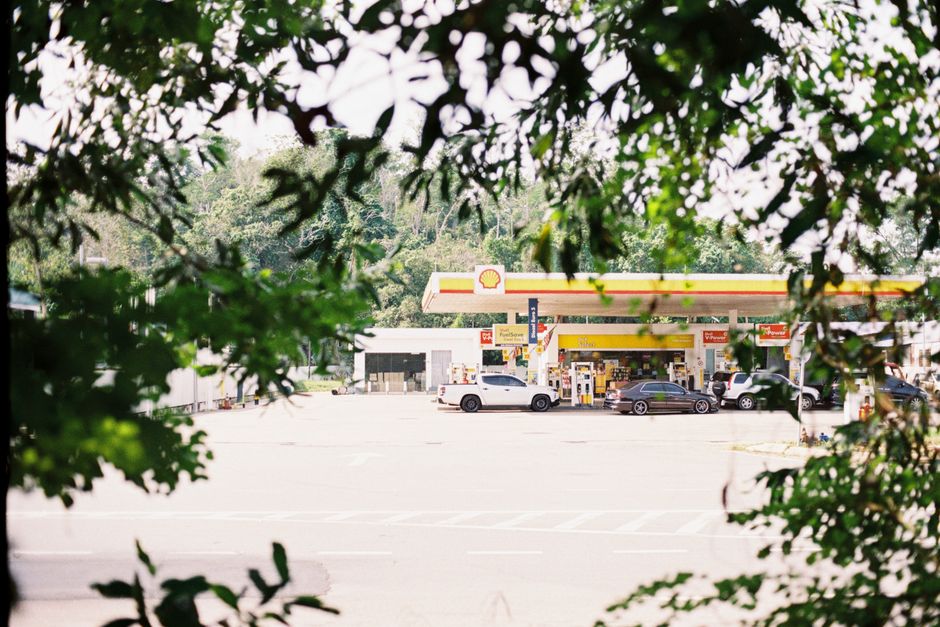
More than 100 service stations across Australia faced coordinated raids Tuesday as federal and state agencies cracked down on suspected criminal networks selling illicit tobacco and vapes to communities nationwide. Nearly 300 personnel from fifteen agencies swept through every state and territory except Tasmania and the Northern Territory.
The Australian Border Force deployed the massive operation under the Illicit Tobacco National Disruption Group, which the federal government established in 2025 to combat organized crime's infiltration of everyday retail spaces. Footage from one raid showed officers entering a service station and seizing imported tobacco boxes and cash.
Criminal Networks Shift Tactics
ABF Assistant Commissioner Customs Compliance and Enforcement Tony Smith said criminal actors have adapted their business models in response to enforcement pressure. "Criminal actors are continuing to adapt their business models and diversify their activities by moving away from traditional tobacconists and in to selling their products out of convenience stores, milk bars and even service stations," he said.
The shift demonstrates how organized crime exploits neighborhood retail outlets that families depend on for daily needs. These aren't isolated operators. AFP Superintendent Crime Command Jim Rowe said intelligence links the illegal tobacco trade directly to organized crime networks. "We have seen organised crime groups use the sales of illicit tobacco to fund further criminal activity," he said.
Protecting Communities and Small Business
NSW Health Minister Ryan Park emphasized the multi-agency effort's focus on protecting both legitimate businesses and vulnerable populations. "We work closely with our federal enforcement agencies to share intelligence around people who are doing the wrong thing," he said. "It's not fair on legitimate small business owners, it's not fair on the community or young children that these stores are popping up and are selling illegal products across the board."
Operation Shorthand involved NSW Police, the Australian Federal Police, and the Australian Criminal Intelligence Commission working under the NDG framework. The coordinated approach reflects recognition that criminal networks don't respect jurisdictional boundaries.
Rowe said the enforcement activity aims to obtain information identifying importation routes, distribution networks, and how proceeds from sales are collected and distributed. Some targeted service stations may face temporary closure as agencies assess evidence gathered during the raids.
Industry Response
The Motor Trades Association of Australia welcomed the heightened enforcement and supported "the work of the Australian Border Force and law enforcement agencies in upholding the law." The ABC reached out to the Australian Service Station and Convenience Store Association for comment.
The ABF said the operation remains active as NDG agencies continue assessing evidence from Tuesday's coordinated blitz.
Why This Matters:
The infiltration of organized crime into everyday service stations and convenience stores represents a direct threat to community safety and fair competition. When criminal networks exploit neighborhood retail outlets, they undermine legitimate small businesses that play by the rules while exposing children and families to illegal products. The illegal tobacco trade doesn't just evade taxes that fund essential public services—it finances broader criminal activity that harms communities. The 2025 establishment of the Illicit Tobacco National Disruption Group and Tuesday's coordinated raids across multiple states show that tackling organized crime requires sustained public investment in enforcement and inter-agency cooperation. Protecting communities from criminal exploitation isn't just about tobacco—it's about ensuring the places families shop remain safe, accountable, and free from networks that profit by breaking the law.