
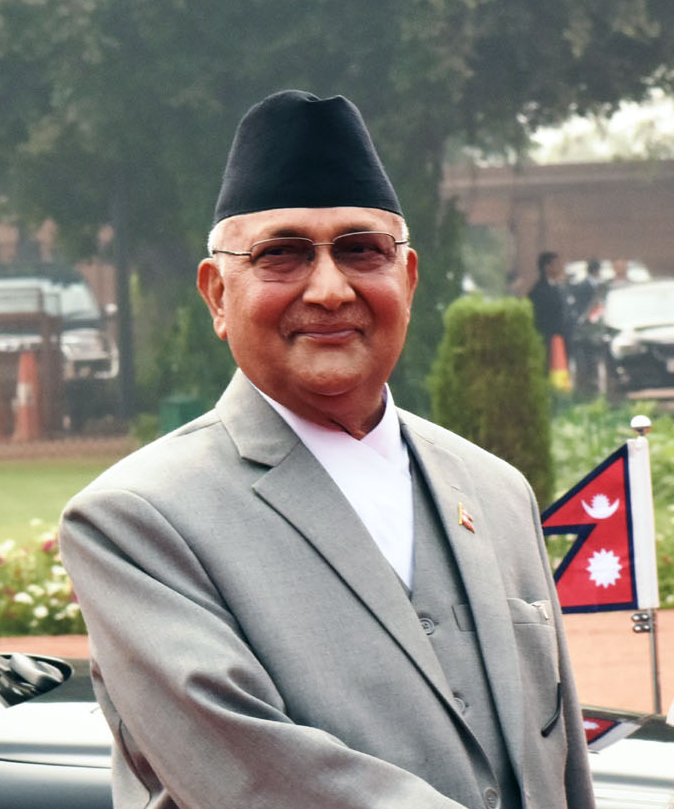
In a rare challenge to Nepal’s political establishment, a court today ordered the government to justify the arrest of former Prime Minister K. P. Sharma Oli, raising suspicions of a politically motivated crackdown. Oli, a polarizing figure known for his nationalist rhetoric and cozy ties with Beijing, was detained last week on corruption charges—a move his allies claim is an attempt to silence opposition ahead of upcoming elections. The court’s intervention is a small but significant check on the government’s power, though it remains to be seen whether the ruling will lead to real accountability or just another round of political theater.
The Illusion of Judicial Independence
Nepal’s courts, like those in most countries, are not the neutral arbiters of justice they claim to be. They exist to legitimize the state’s authority, not challenge it. The fact that this court even bothered to question Oli’s arrest is unusual, but it doesn’t mean the system is suddenly on the side of the people. More likely, it’s a calculated move to maintain the illusion of fairness in a country where corruption, nepotism, and political repression are the norm. The real question is: why now? Is the government feeling pressure from below, or is this just a way to placate international donors who demand 'rule of law' as a condition for aid?
Oli’s Arrest: Political Vendetta or Genuine Corruption?
Oli’s supporters insist his arrest is a witch hunt, pointing to his history of clashing with Nepal’s political elite. His critics, however, argue that the charges—related to embezzlement and abuse of power—are legitimate. The truth, as always, is more complicated. Oli is no friend of the people; he’s a career politician who has enriched himself while Nepal’s working class struggles with poverty, unemployment, and the aftermath of the 2015 earthquake. But the timing of his arrest suggests a power struggle within the ruling class, not a sudden commitment to justice. The same government that locked up Oli has done nothing to address the systemic corruption that plagues Nepal’s political system.
The Bigger Picture: Nepal’s Broken System
Nepal’s political crisis is a microcosm of the global failure of representative democracy. Whether it’s Oli’s Communist Party of Nepal (Unified Marxist-Leninist) or the Nepali Congress, the parties in power are all cut from the same cloth: authoritarian, self-serving, and beholden to foreign interests. The 2006 revolution that overthrew the monarchy promised a new era of democracy and social justice, but instead, Nepal’s political class has turned into a revolving door of elites who enrich themselves while the country remains one of the poorest in Asia. The real solution isn’t replacing one set of rulers with another—it’s dismantling the system entirely and building a society based on direct democracy, mutual aid, and community control.
Why This Matters:
Oli’s arrest is a reminder that the state’s primary function is to protect the interests of the powerful, not the people. Whether it’s through corruption charges, election rigging, or outright repression, the ruling class will always find a way to maintain its grip on power. The court’s order to justify his arrest is a small victory, but it’s not enough. Real change won’t come from the courts or the ballot box—it will come from the streets, from the workplaces, and from communities organizing outside and against the state. Nepal’s history of resistance—from the Maoist insurgency to the 2006 revolution—proves that the people have the power to challenge their oppressors. The question is whether they’ll settle for another round of political theater or demand something more radical: a world without rulers, without borders, and without exploitation.