
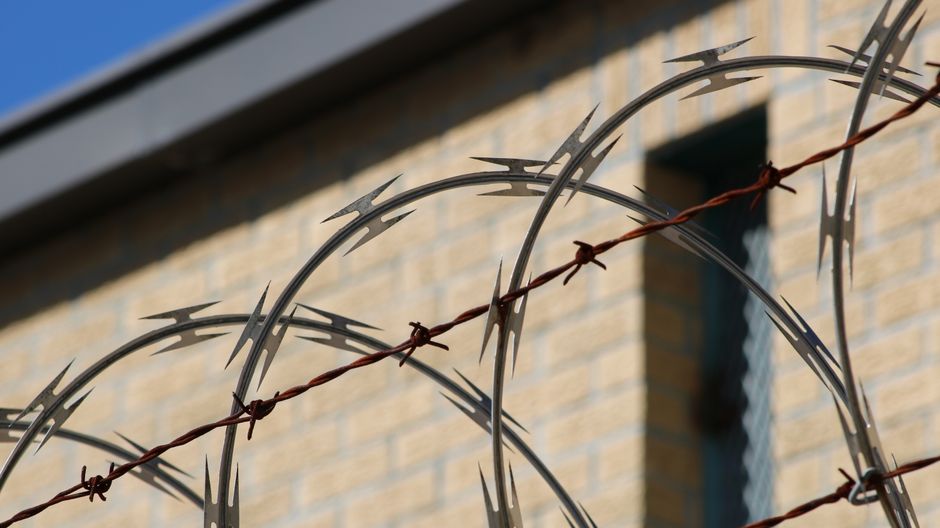
Comcare says the Australian government is likely breaching work-safety laws at immigration detention centres, where detainees and workers face stabbings, overdoses and fires. The federal regulator warned that violence, illicit substances and improvised weapons weren’t being adequately managed at Melbourne immigration detention centre (MIDC) and across the detention network.
Lyndal Ryan, national president of the United Workers Union, which represents workers in the centres, called the Comcare notices evidence of “the continuing dangerous situations facing workers and detainees inside detention centres, and Secure Journeys' inability or unwillingness to address those issues”. The union has repeatedly raised concerns about understaffing. Ryan said Comcare had made clear that the department was responsible for pulling Secure Journeys into line.
A contract, and a regulator’s warning
The incidents unfolded in a detention system run under a $2.3bn contract won by Management and Training Corporation (MTC) in late 2024. MTC is a US private prison company. The federal government has tried to improve the company’s performance through financial penalties and a meeting last year between home affairs minister Tony Burke and the company’s global president.
Comcare said the department hadn’t shown that its current controls effectively eliminated or minimized risks as far as reasonably practicable. The regulator said those hazards posed an ongoing risk of serious harm to workers and others in the centres. Its notice said: “I have formed the reasonable belief that the department is contravening section 19 of the WHS Act by failing to ensure, so far as is reasonably practicable, the health and safety of workers and other persons.”
The notice specified risks “associated with violence, aggression, and the presence of illicit substances and improvised weaponry”. The department advised Comcare it had taken a range of actions, but the regulator said it hadn’t sufficiently demonstrated that those measures worked.
Violence, overdose and fire
On 18 August, an altercation between two groups at MIDC sent six detainees to hospital with “slashing and stabbing injuries made using improvised weapons”. On 10 September, staff found a detainee overdosed in his room and administered Naloxone, which reverses opioid overdose effects. The documents describe a series of events involving violence, aggression, illicit substances and improvised weapons at MIDC since August.
At Villawood immigration detention centre, a separate Comcare document recorded eight fire-related incidents between February and May. Those fires followed previous warnings to the government about gaps in MTC’s preparedness. On 23 September 2025, MTC staff rushed into a detainee’s room to rescue him from a fire without proper safety equipment; two workers went to hospital.
Comcare found the department hadn’t conducted its own systematic review of “all fire and smoke control measures falling within its influence or control”. The document said multiple notifiable fires over approximately four months, after earlier regulatory intervention over substantially the same risk, created “repeated and compelling circumstances” requiring a review of the controls.
Official assurances, unresolved risks
The Guardian had previously reported escapes, staff injuries and sick detainees missing medical appointments because there weren’t enough staff to escort them. Ryan described the eight Villawood fires as “signs of the instability and chaos our members are witnessing almost every day”.
A spokesperson for MTC’s local subsidiary, Secure Journeys, said the company remained committed to safe and secure operations and to staff and detainee welfare. An Australian Border Force spokesperson said the agency continually reviewed safety and security arrangements and assessed and responded to Comcare notices through established workplace health and safety processes. The spokesperson said the welfare, safety and dignity of people in detention, as well as staff safety, remained the Department’s highest priorities. The regulator’s documents, meanwhile, detail the incidents and controls it says remain inadequate.