
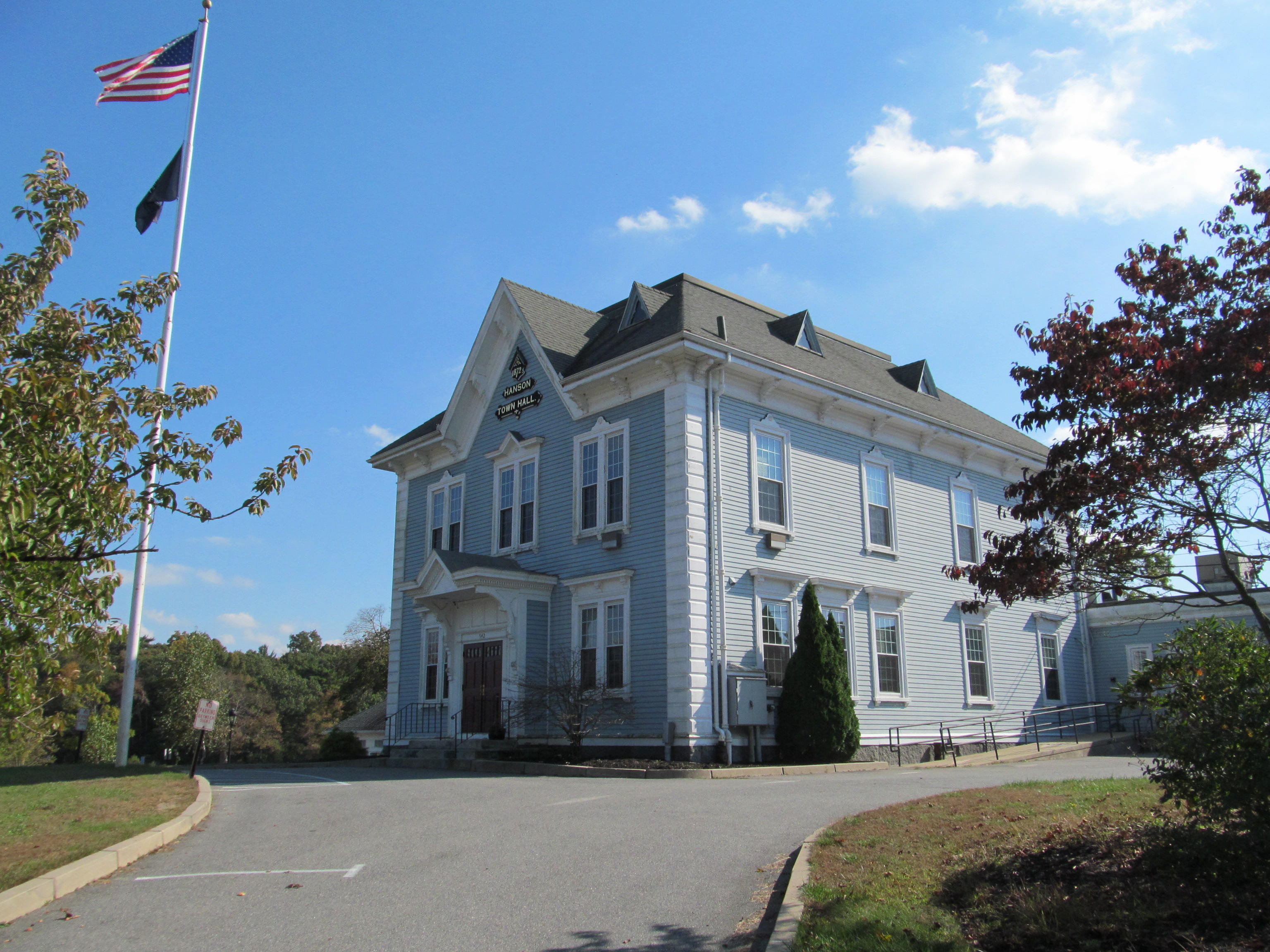
Roughly 1,500 individuals gathered in Hanson, Massachusetts, on Monday to inter John Bernard Arnold III, a 98-year-old World War II Navy veteran who died two weeks ago with no known living family. The mass turnout, spurred by a public plea from Hanover-Hanson Veteran Services, underscored the systemic isolation faced by individuals after a lifetime of service to the state, with the community stepping in to fill a void left by inadequate social structures.
The Cost of Service
Arnold, who most recently resided in East Bridgewater, served in the U.S. Navy during World War II. His obituary noted he never married and had no children, listing only deceased family members. This personal isolation, culminating in a public call for funeral attendees, reveals the human cost of a system that often discards individuals once their direct utility to capital or the state's imperial apparatus diminishes. Arnold's service aboard the USS Houston, which saw him visit 27 countries, was part of a global projection of military power, yet his final years appear to have been marked by a profound lack of familial connection.
The public plea from Hanover-Hanson Veteran Services, posted on Facebook, stated, "This veteran passed away with no known family to attend his services. Let’s send him off the way a veteran should be." This call to action mobilized a spontaneous community response, with strangers packing the church grounds and lining the procession route, many having never known Arnold. Jim Pearce, an attendee, told WCVB that "Nobody should have to go alone, I don’t care who you are," reflecting a widespread sentiment of individual empathy. Another veteran, Joe Campbell, told WHDH, "We’ll never let one of our veterans pass without being honored and sent off with respect and dignity," framing the event as a matter of individual honor rather than systemic failure.
The State's Role in Spectacle
The state apparatus, through a long police motorcade, escorted Arnold's flag-draped coffin to Cedar Knoll Cemetery in Taunton. Bagpipes played, veterans saluted, and American flags were distributed to mourners. This elaborate spectacle, orchestrated by official channels, served to reinforce nationalistic bonds and the narrative of "honoring service," effectively masking the underlying structural conditions that led to Arnold's isolation. David Patterson, an active-duty Coast Guard officer, told WHDH that the turnout "just reinforces that bond that … we’re all on the same team," a sentiment that diverts attention from class divisions and the material realities of veterans' lives.
Donna Brown, a Gold Star wife, told WHDH, "It makes me feel proud, very proud of our country, proud of our community, and all of the people who are here today who don’t even know this man, who are willing to take time out of their busy lives to support our veteran." Such expressions of national pride and community spirit, while genuine on an individual level, function to legitimize the existing order and its military arm, which primarily serves capital accumulation through the projection of power abroad. The "level of humanity" observed by Terrance O’Keefe of Hanover-Hanson Veteran Services, while "absolutely incredible," represents a temporary, unorganized outpouring of individual goodwill rather than a collective demand for robust social safety nets or a re-evaluation of how society treats its elderly and those who served in its imperial garrisons.
Arnold's caregivers remembered him as someone who "walked into the room, and he lit up the room" and "always knew how to bring a smile, make you laugh," highlighting his personal warmth despite his eventual isolation. Hailey Munroe, a caregiver, noted his love for classical music and chocolate cake. An Army retiree, learning of the funeral via TikTok, stated, "I’ll show up, I’ll be his family," further illustrating the reliance on individual acts of kindness to compensate for systemic neglect. The collective effort to provide a funeral for a man with no known family, while commendable, does not address the structural failures that leave many elderly and veterans without adequate support or familial connection in their final years, perpetuating a cycle where individual charity must compensate for systemic abandonment.